
best shoes for oversupination

As an Amazon associate, Comfy-Kicks.com earns from qualifying purchases at no cost to you.
For the best results, prioritize shoes with a firm heel counter to keep the foot in place and a rocker sole that encourages natural movement. Brands like Hoka, Brooks, or Asics often have excellent options for mild to moderate oversupination. If your condition is more severe, consider custom orthotics or shoes with built-in support like the Vionic or Dr. Scholl’s models. Always try shoes on and walk in them to ensure comfort before committing.
best shoes for oversupination in 2026
1. Reusable Heel Wedge Insole

For over-supination, a heel wedge helps redistribute weight naturally, reducing strain on the arch and ankle. It counters excessive rolling inward by adding slight elevation, promoting a more neutral stance. This adjustment eases stress on the foot’s tendons and joints, making it ideal for those who over-supinate.
The reusable adhesive insole sticks firmly to most shoes, offering long-term relief without extra bulk. It’s simple to apply and remove, making it practical for daily use. For runners or walkers with this issue, it’s a cost-effective way to improve comfort and alignment.
2. Supination Corrective Arch Support Inserts

For oversupination, these inserts focus on stabilizing the midfoot and guiding the foot’s natural alignment. They distribute pressure evenly, reducing strain on the arch and preventing excessive rolling inward. Proper arch support helps maintain balance, easing pain in the feet, knees, and lower back.
Designed for O/X leg types, they correct misalignment by reinforcing structural integrity. Daily wear reduces fatigue and long-term joint stress. Simple yet effective, they’re ideal for those who need consistent correction without bulky footwear.
3. Plantar Fasciitis Orthotic Inserts

For oversupination, these insoles target the overarching foot by providing controlled arch support without excessive pressure. They distribute weight evenly, reducing strain on the heel and forefoot while maintaining natural foot alignment. The half-length design fits snugly in most shoes, offering targeted relief for heel spurs and plantar fasciitis without bulk.
The orthotic inserts adjust for mild to moderate pronation or flatfoot conditions by gently guiding the foot’s natural motion. They cushion heel strikes and stabilize the arch, easing pain from oversupination by preventing excessive rolling inward. Made for both men and women in smaller sizes, they’re ideal for those who need subtle correction in their footwear.
4. Orthotic Foot Inserts

For oversupination, proper arch support and heel wedges are key. These inserts correct misalignment by redistributing pressure, easing strain on knees and hips. Women and men models with high arch support prevent overpronation, reducing joint stress.
Flat feet or bow/knock knees benefit from these wedges. They align legs properly, improving gait and reducing long-term wear. Size 43-44 options ensure a snug fit for daily use.
5. Supination Correction Insoles
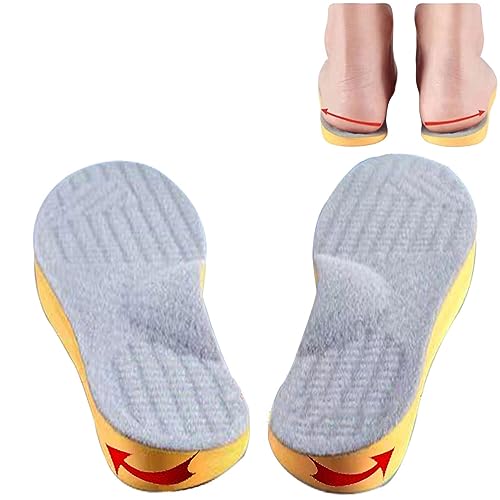
Supination correction insoles help realign your foot’s natural movement by providing extra medial support. This reduces excessive outward rolling, easing stress on your ankles and knees—especially useful for runners or those with high-impact activities. The right sole inserts distribute pressure evenly, cutting down on fatigue and potential injuries over time.
For active lifestyles, these insoles work best with supportive shoes that match their design. They’re ideal for anyone who notices pain or discomfort from over-supination, offering long-term relief without needing constant replacements.
6. Ski Heel Wedges for Foot Alignment
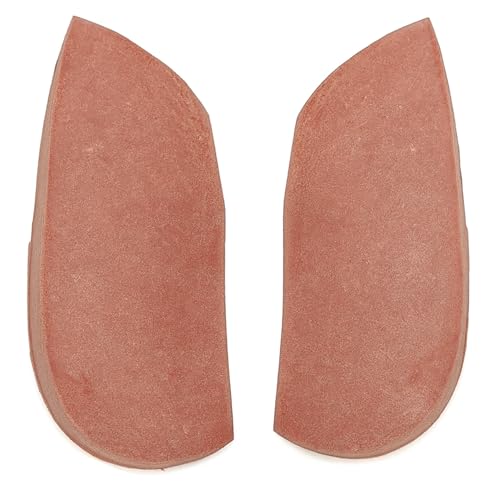
For oversupination, these wedges adjust foot alignment by shifting the heel inward or outward, reducing excessive rolling toward the outer edge. The firm red rubber inserts provide stability and cushioning, preventing overpronation while keeping the foot’s natural motion balanced.
They’re ideal for boots and shoes, offering customizable support for better gait control. The medial or lateral lift ensures proper alignment, making them a practical choice for correcting supination issues.
7. Supination Correcting Orthotic Inserts
Men and women who over-supinate—where the foot rolls outward—will find relief with supportive insoles designed to realign their gait. These inserts distribute pressure evenly, reducing strain on ankles and knees, especially during running or walking. Built for active lifestyles, they help maintain proper foot mechanics, cutting down on fatigue and potential injuries. Pair them with shoes that offer firm midfoot support, like running or hiking boots, for the best results.
8. Orthotic Sheepskin Shoe Inserts

For oversupination, proper arch and metatarsal support is key. These inserts offer a firm yet flexible sheepskin base to stabilize the foot’s natural alignment, reducing strain on the arch and forefoot. The metatarsal pad helps distribute pressure evenly, easing pain and preventing overpronation-related stress.
The heel cushion absorbs shock while maintaining a snug fit in tight shoes. German craftsmanship ensures durability, and the tan color blends well with most athletic or dress styles. Ideal for runners or active wear, it balances support without bulk.
9. Supination Correction Insoles
Supination correction insoles help realign your foot’s natural movement by providing extra medial support. This reduces excessive outward rolling, easing stress on your ankles and knees—especially useful if you run or play sports. They fit standard shoes and adapt to active lifestyles without bulk.
For those prone to over-supination, these inserts distribute weight evenly, lowering injury risk. They’re ideal for runners, hikers, or anyone who walks long distances. Choose supportive shoes first, then add these insoles for lasting relief.
10. Supination Correction Orthotic Inserts
Supination correction insoles help realign foot mechanics by providing extra cushioning and medial support. They reduce excessive outward rolling of the foot, easing stress on ankles and knees during runs or walks. Ideal for active lifestyles, these inserts distribute weight evenly, cutting down on fatigue and potential injuries.
For those who wear supportive shoes, these insoles work best when paired with footwear that offers firm heel and arch support. They’re especially useful for runners or anyone prone to overpronation, helping maintain proper alignment and reducing long-term joint strain.
