
best shoes for lifting weight

As an Amazon associate, Comfy-Kicks.com earns from qualifying purchases at no cost to you.
I’ve found that lifting shoes with a slight heel lift can also help with form, especially if you’re used to wearing flats. Brands like Converse or Nike’s lifting shoes are popular because they’re durable and offer the right amount of support. If you prefer something more specialized, look for platforms that distribute weight evenly across your feet. Don’t skimp on comfort—your feet will thank you after a long session.
best shoes for lifting weight in 2026
1. Deadlift Weightlifting Shoes

For serious lifters, proper footwear separates good form from injury. The deadlift shoe offers a fixed heel, locking your ankle into place while deadlifting, which reduces strain on your lower back and hips. The thick, grippy sole provides stability during heavy lifts, letting you drive weight through your legs without slipping. This makes it ideal for deadlifts, squats, and even cross-training when you need support.
The sleek, black design blends with any gym aesthetic while keeping your feet secure. The lightweight material won’t slow you down, and the arch support helps maintain proper alignment. If you lift often, this shoe cuts down on fatigue and keeps your lifts clean. It’s a no-nonsense pick for those who prioritize performance over flash.
2. Anti-Slip Deadlift Lifting Shoes

For serious lifters, grip and stability are everything. These shoes lock your feet in place with a thick, grippy rubber sole that prevents slipping during heavy deadlifts and squats. The flat, rigid platform keeps your heels down, reducing strain on your lower back while maintaining proper form. No more losing balance mid-lift—just pure, controlled movement.
Designed for precision, these shoes offer ankle support without sacrificing mobility. The sturdy construction helps with deep squats and explosive lifts, making them ideal for powerlifters and athletes. The sleek black color blends with any gym setup, and the durable material lasts through countless sessions. If you want shoes that actually help you lift heavier, these are a must.
3. Weightlifting Shoes
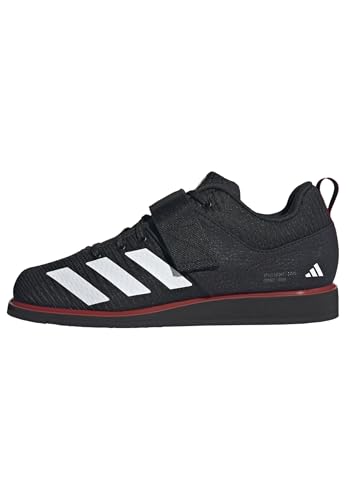
This shoe delivers solid grip and support for heavy lifts. The rubber outsole sticks to the bar well, reducing slippage during snatches or deadlifts. The midfoot strap keeps your foot secure, preventing any unwanted movement that could throw off form.
The cushioning absorbs impact, protecting joints during squats and bench presses. The lightweight design doesn’t slow you down, letting you focus on lifting. It’s a reliable choice for those who prioritize durability and performance in the gym.
4. Minimalist Barefoot Shoes

For lifting, these shoes prioritize natural foot movement by eliminating excessive cushioning and heel elevation. The zero-drop sole aligns with your foot’s natural stance, reducing strain on joints while maintaining grip on the floor. Lightweight design keeps them practical for heavy sessions without slowing you down.
Wide toe box prevents cramping and improves balance, crucial for lifting form. The slip-on style saves time, and the durable sole resists wear from gym floors. They’re built for endurance, not just aesthetics.
5. High-Performance Lifting Shoes

Designed for serious lifters, these shoes offer unmatched stability and support for heavy lifts. The reinforced outsole grips the floor, reducing slippage during squats and deadlifts. Lightweight yet durable, they keep your feet secure without adding bulk.
Perfect for powerlifting and weight training, they balance platform height and ankle mobility. The black and red options stand out while meeting performance demands. If you lift hard, these are the shoes to trust.
6. Women’s Training Shoes

These shoes offer solid support for lifting by balancing cushioning and stability. The lightweight design helps with quick movements, while the metallic silver sole grips surfaces well. The breathable upper keeps feet dry during intense sessions, and the structured fit prevents slippage. Not ideal for heavy deadlifts, but great for bench, squats, and overhead work.
7. Wide Toe Box Minimalist Sneakers

For lifting, proper footwear prevents discomfort and injury by mimicking natural movement. These shoes offer a wide toe box, letting toes spread naturally, reducing strain on the feet and toes during heavy workouts. Zero drop design keeps heels aligned with toes, improving balance and reducing knee stress.
The minimalist build supports barefoot-like stability, which is crucial for lifting. The lightweight construction reduces fatigue, letting you focus on form and power. White color stays clean, ideal for gyms where hygiene matters.
8. Barefoot Training Shoe

For serious weightlifting, proper footwear matters more than most realize. The Xero Shoes Women’s Prio Neo mimics natural movement, reducing strain on joints while keeping feet stable. Lightweight and breathable, it lets you focus on form without sacrificing grip or support.
If you’re lifting heavy, these shoes adapt to uneven surfaces, preventing ankle rolls. The flexible sole encourages proper foot alignment, which is key for power lifts and deadlifts. They’re not ideal for pavement, but for gym floors or grassy areas, they’re a solid choice.
9. Knit Minimalist Barefoot Sneakers

For weightlifting, proper footwear supports ankle stability and reduces strain on joints. These minimalist sneakers offer a zero-drop sole, aligning your foot naturally with your ankle, which helps maintain proper form during lifts. The wide toe box prevents cramping and allows toes to spread, improving balance and grip on the bar.
The knit material provides breathability and flexibility, keeping feet dry and reducing fatigue. The reinforced sole offers durability for heavy use, while the lightweight design cuts down on fatigue during long sessions. These shoes balance support and freedom for serious lifters.
10. Powerlifting Shoes

Weightlifting shoes provide essential support for heavy lifts by keeping feet flat on the platform. The stiff sole locks your ankles, reducing strain on your lower back during squats and deadlifts. Non-slip rubber soles prevent slipping on gym floors, which is critical for safety and performance.
For powerlifting and deadlifting, these shoes maximize ground contact and stability. Crossfit and hard pulling benefit too, as they offer ankle support without sacrificing mobility. The wide toe box accommodates heavy footwear, ensuring comfort during intense sessions.
