
best shoes for herniated disc

As an Amazon associate, Comfy-Kicks.com earns from qualifying purchases at no cost to you.
Stability is key, so opt for shoes with a firm heel and a wide base to prevent rolling. Brands like Brooks or Hoka offer great options with extra cushioning and support. If you prefer walking shoes, choose ones with a slight heel to encourage proper alignment. Comfort isn’t just about the inside—make sure the fit is snug but not tight, so your feet don’t shift around inside the shoe. A little extra effort in the right shoes can make a big difference in daily comfort.
best shoes for herniated disc in 2026
1. Orthopedic Diabetic Walking Shoes

For herniated discs, cushioned footwear with arch support helps reduce pressure on the spine. Lightweight designs prevent fatigue while maintaining stability, easing discomfort during movement. Adjustable fits accommodate swelling, ensuring a secure, pain-free stride.
These shoes also target Achilles tendonitis and plantar fasciitis, which often accompany disc issues. Their shock-absorbing soles protect joints, while deep toe boxes prevent strain. Casual yet supportive, they’re ideal for daily wear without sacrificing comfort.
2. Wide-Foot Walking Shoes for Flat Feet

For herniated discs, supportive footwear helps stabilize the spine by reducing pressure on affected areas. These shoes provide arch support and cushioning to ease spinal strain during movement, which is critical for recovery. The non-slip sole prevents falls, minimizing sudden jarring motions that could worsen disc issues.
The rebound core technology helps maintain posture and reduces fatigue, which is key for long-term relief. Extra-wide fit accommodates any foot shape, ensuring comfort without discomfort. While not a direct fix, proper footwear reduces secondary pain, aiding overall mobility and healing.
3. Orthopedic Recovery Slides

For herniated discs, support is key. These sandals provide arch and heel cushioning to reduce pressure on spinal discs while encouraging proper alignment. The negative heel design helps counteract pelvic tilt, easing strain on the lower back.
The open-toe design offers airflow, preventing swelling, while the orthopedic support stabilizes the spine. They’re ideal for daily wear, offering relief without bulk.
4. Cervical Traction Device
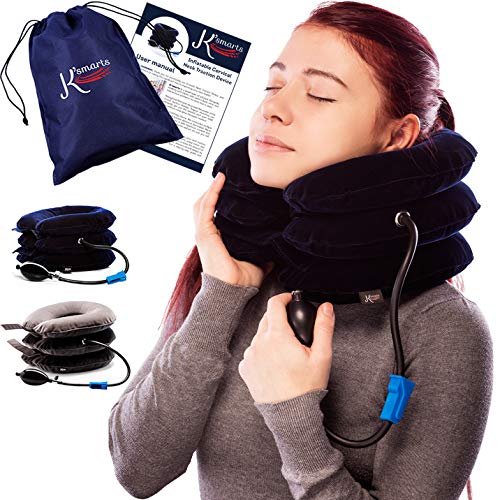
For herniated discs, supportive footwear is key. Opt for cushioned, arch-supported shoes to reduce spinal strain. Proper foot alignment helps distribute weight evenly, easing pressure on discs.
A neck stretcher and spinal decompression unit can help too. These devices gently relieve pressure on nerves and discs. Pair them with good shoes for consistent relief from pain and stiffness.
5. Orthopedic Walking Shoe

This shoe offers deep arch support to stabilize the foot and reduce pressure on a herniated disc by aligning the spine. The VersoShock technology absorbs impact evenly, cutting down on disc stress during movement.
Wide toe boxes prevent discomfort from tight fits, while custom orthotics ensure tailored relief for spinal misalignment. Ideal for runners and those who stand long hours, it eases pain without sacrificing mobility.
6. Cervical Traction Stretcher

For herniated discs, supportive footwear is key—arch support and cushioning reduce strain on the spine. A good pair prevents misalignment that worsens disc pressure. Look for firm soles and padded insoles to keep your posture neutral.
A neck stretcher helps relieve spinal compression, easing pain from herniated discs. It gently decompresses discs, reducing nerve irritation. Pair it with proper footwear to maintain alignment and speed recovery.
7. Soft Neck Support Brace
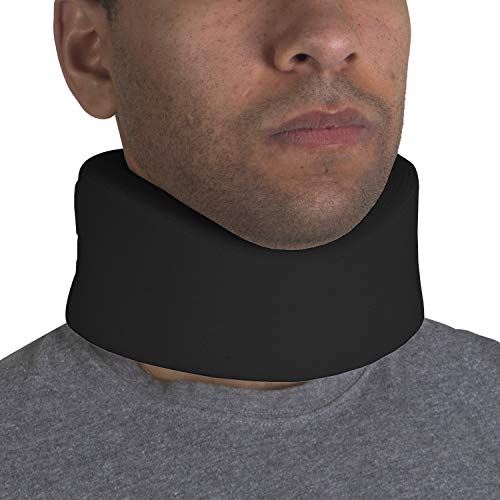
For herniated discs, proper footwear can reduce strain on the spine. A soft, narrow-depth neck brace helps maintain alignment while allowing gentle movement. It relieves pressure on cervical discs by stabilizing the neck, which can ease pain and prevent further injury.
When choosing shoes, opt for low-heeled, stable designs with good arch support. This reduces spinal misalignment and supports the cervical region indirectly. A brace like this works best alongside proper footwear to manage disc-related discomfort effectively.
8. Thoracolumbar Spine Brace

For herniated discs, supportive footwear is key. Opt for cushioned, arch-supported shoes with good shock absorption—like those with thick soles and reinforced midsoles—to reduce strain on your lumbar spine. Avoid flat or high-heeled shoes, which worsen disc pressure and pain.
A fixed lumbar brace can help, but shoes are the first line. Prioritize stability and cushioning to ease sciatica or stenosis-related discomfort. Even mild orthotics can make a difference by distributing weight evenly and protecting your discs.
9. Thoracolumbar Spine Brace
For herniated discs, supportive footwear is key. Opt for shoes with thick, cushioned soles to absorb shock and reduce pressure on the spine. Arch support and a wide toe box help align posture, easing strain on affected discs.
Stenosis or sciatica? Firm, stable shoes prevent twisting that worsens nerve compression. Avoid flat soles or high heels—opt for rocker-style or contoured designs to maintain proper alignment and reduce flare-ups.
10. Classic Leather Walking Shoes

These shoes offer excellent arch support and cushioning, which helps reduce pressure on the spine during daily movement. The sturdy yet flexible leather construction distributes weight evenly, minimizing strain on discs.
The wide toe box accommodates foot swelling, while the smooth sole prevents unnecessary jarring. For those with disc issues, these shoes ease discomfort by promoting proper alignment and reducing disc stress.
