
best shoes for freerunning

As an Amazon associate, Comfy-Kicks.com earns from qualifying purchases at no cost to you.
I’ve tried a few brands, and the best ones feel like they’re built for movement, not just walking. They shouldn’t be too bulky, either—you want flexibility so your feet can roll naturally when you’re doing tricks. If you’re serious about freerunning, invest in shoes that’ll protect your feet while letting you move freely. Don’t skimp on quality; you’ll thank yourself later.
best shoes for freerunning in 2026
1. Parkour Shoe

For freerunning, the Stealth Ultra in black stands out as a top choice. Its lightweight design and grippy rubber sole offer unmatched traction on varied terrain, letting you move fluidly over walls, ledges, and uneven ground. The reinforced toe cap and durable midsole protect your feet while absorbing impact, keeping you sharp for long sessions.
The shoe’s flexible yet supportive construction mimics natural foot movement, reducing strain. The deep tread pattern cuts through dirt, sand, and grass without slipping. Black’s sleek look also blends with urban environments, making it practical for training and competition. No other shoe matches its balance of performance and durability.
2. Parkour Shoes

For freerunning, you need shoes that grip surfaces tight and move with your body’s natural flow. The Midnight (Black) version delivers ultra-traction, locking onto walls, ledges, and uneven terrain without slipping. The flexible design mimics barefoot movement, reducing strain while letting you roll through jumps and rolls effortlessly.
Comfort is key when training long hours, and these shoes prioritize that with cushioned soles and breathable materials. The high grip ensures stability on obstacles, while the cross-training versatility makes them practical for both training and casual movement. No compromise—just performance.
3. High Grip Shoes

For freerunning, grip and stability are everything. These shoes deliver a firm, non-slip grip on uneven terrain, letting you trust your jumps and climbs. The high-cut design keeps your ankles secure, which is critical when landing on rough surfaces or navigating obstacles.
The lightweight build means you won’t slow down, and the reinforced toe cap protects against sharp edges. Perfect for quick movements and high-intensity sessions.
4. Parkour Freerunning Shoe
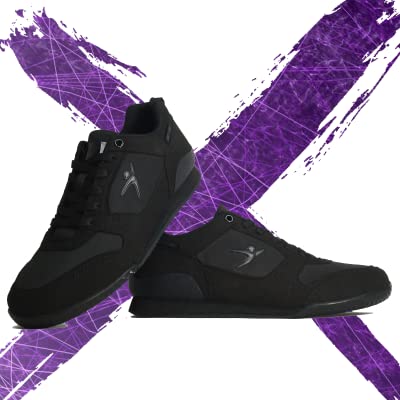
Freerunning demands grip, stability, and responsiveness. The Stealth Ultra “X” second-gen delivers lightweight traction with deep, aggressive outsole patterns designed for smooth landings and explosive jumps. The reinforced toe cap and durable midsole handle rough terrain and repetitive stress, keeping you moving without fatigue. Its flexible yet supportive construction mimics natural foot movement, reducing strain while enhancing control on uneven surfaces. Perfect for fluid transitions and dynamic movements, it’s built to last through intense training sessions.
5. Running Shoe
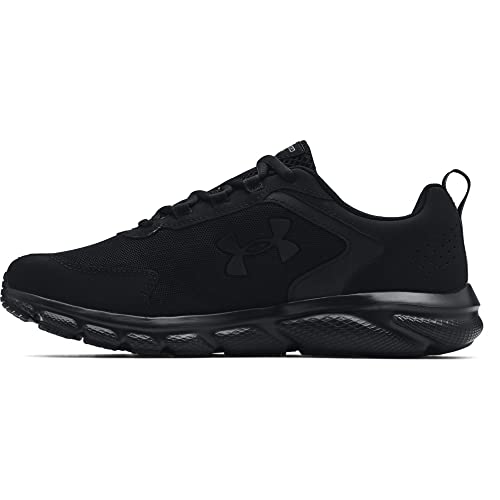
This shoe’s grip-focused design keeps feet secure during unpredictable landings. The thick rubber outsole grips uneven terrain better than most, which is key for freerunning’s sharp cuts and jumps.
Lightweight yet durable, it absorbs impact without slowing movement. The reinforced toe box prevents tripping on rough surfaces, making it reliable for both tricks and long runs.
6. Parkour Freerunning Shoes

Parkour shoes prioritize grip and ankle support for jumps and landings. Lightweight, breathable designs reduce fatigue while maintaining traction on uneven surfaces. Durable soles handle rough terrain without wear.
The Traceurs throw pillow offers controlled practice for vaults and rolls. Its padded surface mimics real obstacles safely. Freerunning gear like the obstacle course equipment helps refine technique without risk. Shoes and equipment combine for efficiency and safety in training.
7. Breathable Running Shoes

For freerunning, lightweight yet supportive footwear is key. These shoes offer a snug fit with ample cushioning to absorb impact during jumps and landings. The breathable material keeps feet cool in warm conditions, reducing sweat buildup that could hinder grip.
The grippy sole provides traction for flips and slides without sacrificing flexibility. The casual design ensures durability for varied use, making them practical for both training and casual movement.
8. Parkour Sneakers

These sneakers are built for movement, offering lightweight grip and durable rubber soles that stick to uneven terrain. The deep treads cut through dirt, sand, and grass without losing traction, which is key when you’re jumping or sliding. The reinforced toe box keeps toes safe during hard landings, while the breathable mesh upper keeps feet cool in long sessions.
The ankle support is solid enough for rolls and flips, though not for heavy-duty training. The midsole cushioning absorbs impact but doesn’t overcompensate, letting you stay nimble. If you’re doing mostly parkour and freerunning, these are a solid pick—just not for marathon running.
9. Running Injury Prevention Guide

Running injury-free starts with strong legs and proper form. Focus on squats, lunges, and core work to build endurance. Good shoes provide cushioning and support, reducing strain on joints. Proper alignment and stride technique cut risks of overuse injuries.
For prevention, stretch daily and wear shoes designed for movement. Treat minor aches early with ice or rest. Stronger muscles and correct footwear make running smoother and safer.
10. Injury-Free Running Shoes

Injury Free Enjoyable Running means prioritizing form, surface, and fit to keep you moving without pain. Proper shoes support natural stride while absorbing impact, letting you run longer and harder without strain.
For freerunning, the best shoes offer lightweight flexibility and cushioning that match your movement. They adapt to uneven terrain, reduce joint stress, and keep you balanced—no stiff structure holding you back.
