
best shoes for forefoot runners

As an Amazon associate, Comfy-Kicks.com earns from qualifying purchases at no cost to you.
When shopping, check for a firm heel counter for stability and a responsive foam that absorbs shock without sacrificing flexibility. Brands like Saucony and Asics also offer good options with their specialized cushioning and arch support. Always try shoes on and walk in them to ensure they fit properly—forefoot runners benefit from a snug fit to prevent slippage.
best shoes for forefoot runners in 2026
1. Wide Toe Box Running Shoes

For forefoot runners, proper toe box width is critical. The wide toe box here prevents crowding, letting toes spread naturally while reducing blisters. Light cushioning supports forefoot strikes without sacrificing responsiveness.
The lightweight design aids in quick transitions, making it ideal for cross-training. The flexible sole adapts to varied surfaces, balancing stability and motion.
2. Neutral Running Shoe

Forefoot runners need responsive cushioning that adapts to each stride. This shoe delivers soft yet structured support under the forefoot, reducing impact while encouraging natural movement. The midfoot grip keeps the foot secure, preventing overpronation and letting the runner’s own rhythm guide the gait.
The blend of plush cushioning and a snug fit makes it ideal for long-distance comfort. The neutral design ensures stability without forcing the runner into an unnatural stance. The colorway adds a sleek, modern touch that pairs well with any running setup.
3. Performance Running Insoles

For forefoot runners, proper cushioning is key to reducing impact stress. These insoles offer heel-to-toe gel padding that absorbs shock evenly, protecting joints while maintaining natural stride mechanics. The lightweight PU foam keeps them from weighing you down, letting you focus on form without fatigue.
Moisture-wicking material prevents blisters and keeps feet dry, which is critical for long runs. The arch support stabilizes the foot, reducing overpronation risks. Built for athletes, they balance comfort and performance—ideal for runners who prioritize precision over bulk.
4. Minimalist Barefoot Trail Running Shoes
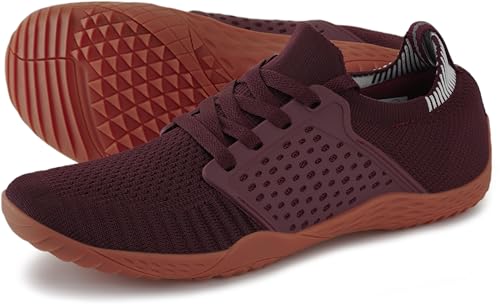
For forefoot runners, proper support is key, and these minimalist shoes mimic natural foot movement. The zero drop design lets your foot transition smoothly from heel to toe, reducing strain on the Achilles and improving stride efficiency.
The wide toe box keeps toes spread naturally, preventing overpronation and enhancing balance. Lightweight yet durable, they’re built for trail and fitness use, making them ideal for runners who prioritize form over bulk.
5. Neutral Running Shoe

This neutral running shoe offers a smooth transition for forefoot runners with its balanced cushioning and responsive foam. The midfoot support keeps alignment steady, reducing strain on the forefoot while maintaining natural stride efficiency.
The soft yet structured upper adapts well to varied terrain, making it reliable for daily runs. The vibrant colorway adds a stylish touch without sacrificing performance.
6. Men’s Running Shoes with Carbon Plates
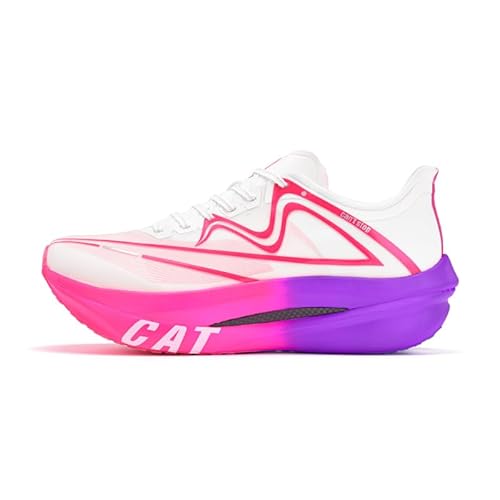
Forefoot runners need lightweight, responsive shoes that support natural foot movement. Dual carbon plates and dual midsole tech deliver explosive push-off power while keeping weight minimal. These designs prioritize forefoot strike by offering a stiff forefoot for propulsion and a softer heel for shock absorption.
The flexible yet structured build helps maintain stride efficiency without sacrificing durability. The sleek, athletic aesthetic fits both performance and casual wear, making them practical for long runs and daily training.
7. Road Running Shoes
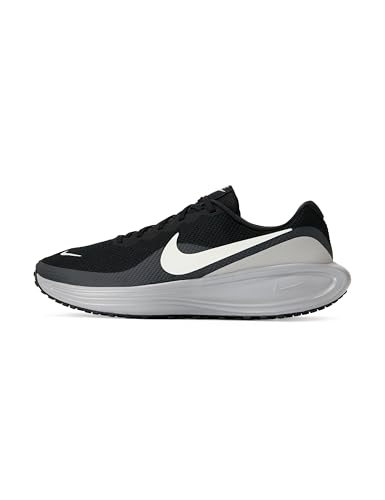
These shoes offer a solid platform for forefoot runners with a snug, supportive fit. The midfoot cushioning and responsive foam adapt well to natural foot movement, reducing strain on the forefoot area. The durable outsole provides grip on varied road surfaces, while the breathable upper keeps feet cool during long runs. Ideal for those who prefer a balanced, stable ride without excessive heel strike.
8. Cohesion Road Running Shoe

Forefoot runners need grippy soles and responsive cushioning to avoid overstriding. The Cohesion model delivers a firm yet flexible foam midsole that adapts to natural foot movement, reducing impact on the forefoot. The durable rubber outsole offers reliable traction for varied pavement conditions, keeping you steady without sacrificing speed.
The shoe’s streamlined design minimizes bulk, letting your stride feel natural. The grey/pink/blue colorway adds a sporty flair without distracting from performance. For those prioritizing forefoot efficiency, this model balances support and freedom well.
9. Flex Training Shoes

These shoes offer a solid midfoot support with a flexible forefoot design, ideal for runners who prioritize natural toe movement. The cushioning adapts well to varied terrain, reducing impact on the forefoot while maintaining responsiveness.
The durable outsole grips pavement, and the breathable upper keeps feet cool during long runs. Perfect for forefoot runners who need stability without sacrificing agility.
10. Neutral Running Shoe

This shoe delivers solid support for forefoot runners with its balanced cushioning and responsive foam. The midfoot grip and slight heel offset help maintain natural stride mechanics while absorbing impact efficiently.
The neutral design keeps alignment stable, reducing strain on joints. The Oyster/Primer Gray/Blue colorway adds a sleek, modern look that fits any running routine.
