
best shoes for deadlifts

As an Amazon associate, Comfy-Kicks.com earns from qualifying purchases at no cost to you.
I’ve seen people use sneakers or even barefoot for deadlifts, but those aren’t ideal. A dedicated deadlift shoe gives you that extra lift at the bottom of the lift and keeps your weight centered. Brands like Converse, Altra, or even some flat-soled lifting shoes work well if you’re not lifting super heavy. Just make sure they’re comfortable and won’t wear out from all that weight.
best shoes for deadlifts in 2026
1. Deadlift Shoes

For deadlifts, proper footwear is critical. The right shoe provides flat, rigid sole support to lock your hips and maintain a neutral spine. MANUEKLEAR deadlift shoes offer this stability with a thick, stiff platform that reduces knee strain while keeping your feet flat on the ground. This design helps you lift heavier loads safely by preventing foot slippage and encouraging a proper lift technique.
These shoes also mimic barefoot training for cross-training, making them versatile for gym routines. The durable rubber sole grips the floor well, while the reinforced toe cap protects your feet during heavy lifts. If you prioritize deadlift performance and versatility, these shoes deliver the support and durability needed for consistent training.
2. Deadlift Cross-Trainer Sneakers

For deadlifts, grip and ankle support matter most. These shoes offer a flat, rigid sole that locks your foot into place, preventing slippage at the lift’s peak. The reinforced toe box keeps toes from splaying, reducing strain on your joints during the heavy pull.
The cushioned midsole absorbs impact, protecting knees and lower back. The durable outsole grips the barbell without slipping, letting you focus on form. Lightweight yet sturdy, they’re built for serious lifts without weighing you down.
3. Anti-Slip Deadlift Lifting Shoes

For deadlifts, grip and stability matter most. These shoes lock your feet in place with a thick, grippy rubber sole, preventing slips on wet or uneven floors. The flat, wide base distributes your weight evenly, letting you focus on lifting rather than fighting the floor.
The reinforced toe cap and sturdy construction handle heavy loads without bending. They’re built for serious training, offering both durability and performance—no compromises. If you want shoes that protect your feet and keep you locked in, these are a solid choice.
4. Minimalist Deadlift Cross-Training Shoes

For deadlifts, proper footwear keeps your toes aligned naturally, reducing strain on your hips and lower back. These shoes offer a zero-drop design, mimicking barefoot movement while maintaining grip and stability. The wide toe box prevents cramping and improves balance, letting you lift heavier with less fatigue.
Minimalist construction means less bulk, so they won’t slow your form or add unnecessary weight. The durable gum/black build resists wear, keeping performance consistent over many sessions. If you prioritize efficiency and injury prevention, these are a solid pick for serious lifters.
5. Elevated Heel Lifting Shoes

Nordic Lifting MEGIN deadlift shoes offer a raised heel that improves ankle mobility and reduces strain on the lower back during heavy lifts. The elevated platform keeps your shins vertical, aligning your spine properly for deadlifts, squats, and powerlifts. Stable construction ensures grip and balance, which is critical for max lifts. The design suits both men’s and women’s foot sizes, making it versatile for competitive and recreational lifters.
6. Deadlift Minimalist Shoes

Deadlift shoes provide the platform and support needed for maximum ankle mobility and neutral foot alignment. The raised heel lifts your hips higher, reducing strain on your lower back while keeping your knees aligned over the bar. This setup lets you lift heavier with better form and less risk of injury.
A wide toe box and minimalist design mimic natural foot movement, improving grip and reducing foot fatigue. These shoes help with deadlift technique by keeping your feet flat and stable under the barbell, letting you drive through the floor with efficiency.
7. Wrestling Boxing Shoe for Weightlifting

For deadlifts, grip and ankle support are everything. These shoes offer thick, grippy soles that stick to the floor without slipping, letting you lock out fully. The zero-drop design keeps your feet flat, reducing strain on your lower back and improving posture during heavy lifts.
The high-top structure wraps around your ankles, preventing any sudden shifts that could throw off your balance. That stability means you can focus on lifting, not adjusting your footing. Black color is practical for gyms, and the durable build lasts through countless sessions.
8. Deadlift Minimalist Shoe
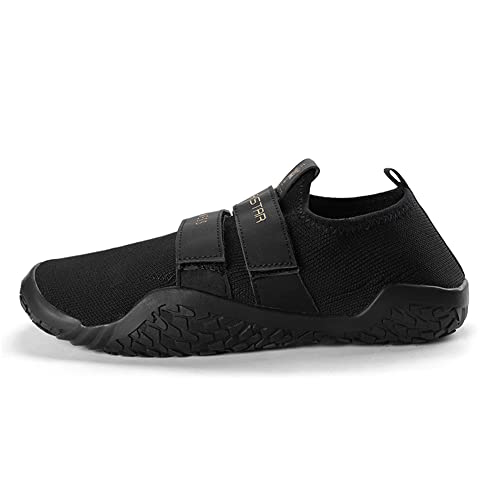
Deadlift shoes offer the support and stability deadlifts demand. They keep your feet flat, reducing strain on your lower back and knees. Minimalist or barefoot-style cross-trainers mimic natural movement, letting your feet work as intended.
For heavy lifts, these shoes prevent foot slippage and improve grip. They’re also versatile for other workouts, balancing deadlift needs with daily use. If you prioritize form and safety, these are a smart choice.
9. Deadlift Squat Shoes

Deadlift shoes like these provide essential support for lifting heavy loads. They lock your heels in place, keeping your foot flat and reducing strain on your lower back. The rigid sole helps maintain proper form, which is critical for safety and performance.
For powerlifters and serious weightlifters, these shoes offer the stability needed for squats and deadlifts. The black color makes them versatile for any gym setting. They’re built to handle the demands of heavy lifting while keeping your feet secure.
10. Minimalist Five-Finger Cross-Training Shoes
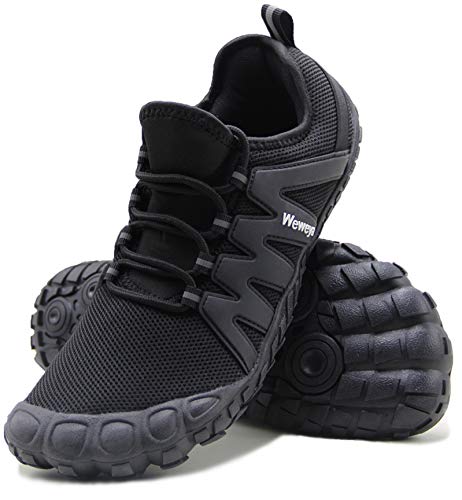
For deadlifts, proper footwear supports natural foot mechanics and reduces strain on the lower back. Minimalist shoes with a wide toe box allow toes to spread naturally, improving grip and balance during heavy lifts. The five-finger design enhances stability without restricting movement, letting your feet work as intended.
These shoes also reduce heel lift, a common issue in deadlifts that can throw off your center of gravity. The lightweight, flexible material helps maintain foot sensitivity, which is critical for proper form and power transfer. If you prioritize natural movement and injury prevention, this style is a solid choice.
