
best shoes for cuboid syndrome

As an Amazon associate, Comfy-Kicks.com earns from qualifying purchases at no cost to you.
The best shoes for cuboid syndrome focus on stability, arch support, and shock absorption. Look for models with firm midsoles to keep your foot properly aligned and prevent excessive rolling inward. Brands like Brooks, Hoka, and Asics offer great options with wide bases and supportive footbeds. If you’re still experiencing discomfort, consider orthotic inserts to add extra cushioning and control. Always replace shoes every 500 to 750 miles to maintain their effectiveness.
best shoes for cuboid syndrome in 2026
1. Orthopedic Diabetic Wide Walking Shoes

For cuboid syndrome, these shoes provide essential arch support to stabilize the foot’s structure and reduce lateral pressure. The lightweight design helps distribute weight evenly, easing strain on the cuboid bone while maintaining mobility.
The adjustable fit and cushioning target pain relief for tendons and plantar issues, making them ideal for daily wear. Their stability and shock absorption cut down on discomfort during movement.
2. Wide Width Diabetic Walking Shoes

For cuboid syndrome, support and alignment matter most. These shoes offer a zero-drop design, reducing strain on the foot’s arch and aligning the heel and forefoot properly. The adjustable fit ensures a snug, wide-width fit, which helps stabilize the cuboid bone by preventing excessive lateral movement.
Breathable material and arch support reduce swelling and discomfort. The zero-drop sole promotes natural foot mechanics, easing pain from cuboid syndrome while walking or standing. For consistent relief, these shoes balance support and comfort effectively.
3. Orthopedic Diabetic Arch Support Sneakers

For cuboid syndrome, these shoes provide crucial lateral support to stabilize the midfoot and reduce abnormal foot movement. The arch support distributes pressure evenly, easing pain from lateral heel or midfoot strain.
The wide toe box accommodates swelling, while breathable materials prevent moisture buildup. The flat design helps correct overpronation, a common cause of cuboid dysfunction.
4. Minimalist Walking Shoes

For cuboid syndrome, support and alignment matter most. These shoes provide a wide toe box to prevent overcrowding, reducing strain on the lateral foot structures. The minimalist design supports natural movement while cushioning impacts to ease stress on the cuboid bone.
Adjustable fit ensures comfort for swollen feet, and the arch support helps realign the foot’s mechanics. The durable yet flexible sole reduces excessive pronation, which often worsens cuboid dysfunction. They’re ideal for daily wear, offering relief without sacrificing mobility.
5. Wide Width Diabetic Orthopedic Shoes

For cuboid syndrome, these shoes offer critical support by stabilizing the midfoot and reducing lateral pressure. The wide toe box prevents pinching, while the orthopedic design cushions impact on the cuboid bone, easing pain during movement.
The built-in arch support and high-instep fit help align the foot properly, reducing abnormal stress. The slip-on design makes them practical for daily wear, and the dark brown color blends well with casual outfits.
6. Wide Toe Walking Arch Support Shoes

For cuboid syndrome, proper arch support and stability are key. GANNOU’s wide toe box and orthotic design help distribute pressure evenly, reducing strain on the lateral foot structures. The arch support prevents overpronation, which often worsens cuboid issues by misaligning the foot’s mechanics.
The cushioned sole and firm heel counter provide shock absorption and joint protection. This combination keeps the cuboid stable while allowing natural movement. For consistent relief, these shoes align with medical recommendations for lateral foot support.
7. Comfortable Nurse Walking Shoes

For cuboid syndrome, these shoes prioritize stability and arch support to reduce lateral foot pressure. The non-slip sole prevents misalignment during movement, while the orthotic cushioning absorbs shock to ease pain in the midfoot area. Lightweight design keeps fatigue low, letting you walk longer without strain.
Breathable fabric and adjustable straps maintain comfort for extended wear. The heel buffer reduces impact on the cuboid bone, and the firm yet flexible sole supports proper alignment. These features combine to minimize discomfort while promoting recovery.
8. Orthopedic Diabetic Walking Shoes

Men’s orthopedic diabetic shoes with arch support and wide toe boxes are ideal for cuboid syndrome because they stabilize the midfoot. The padded heel and shock-absorbing design reduce lateral pressure, easing pain from foot alignment issues.
Stylish yet supportive, these loafers keep feet comfortable during long hours of standing. The extra cushioning around the heel and arch helps correct abnormal foot mechanics, crucial for cuboid syndrome relief.
9. Orthopedic Slip-On Loafers for Plantar Fasciitis
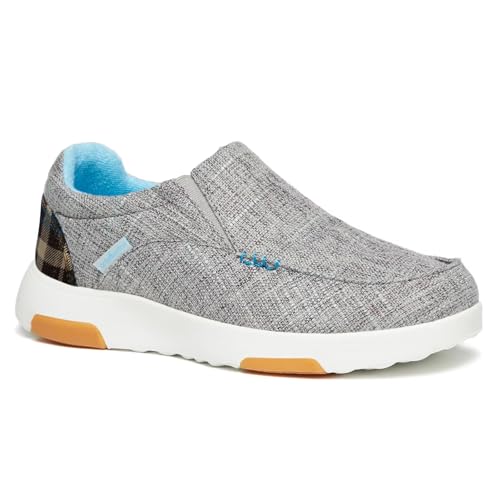
These slip-on loafers offer firm midfoot support to stabilize the cuboid bone, reducing lateral foot movement that worsens cuboid syndrome. The cushioned insole distributes weight evenly, easing pressure on the midfoot while maintaining arch alignment for high arches or flat feet. The lightweight design allows for natural movement without restricting motion, making them ideal for daily wear or light athletic activities. The supportive structure helps prevent excessive pronation, which often aggravates cuboid pain.
10. Plantar Fasciitis Orthotic Shoes

For cuboid syndrome, support in the foot’s lateral arch is key. These shoes feature built-in orthotic padding that stabilizes the midfoot, reducing excessive movement of the cuboid bone. The reinforced arch support helps distribute weight evenly, easing pain from lateral stress.
The cushioned sole absorbs impact, while the firm yet flexible design prevents overpronation. The padded collar supports the ankle, reducing strain on the cuboid during prolonged standing or walking. Comfortable for all-day wear, they’re ideal for those needing relief from chronic lateral foot discomfort.
