
best shoes for bone spur on top of foot

As an Amazon associate, Comfy-Kicks.com earns from qualifying purchases at no cost to you.
Good options include shoes made with gel or memory foam insoles, which absorb shock and reduce strain on your foot. Brands that focus on arch support and motion control can also help. Avoid shoes with thin soles or high heels, as they can worsen the discomfort. If you’re dealing with severe pain, consider custom orthotics or softer materials in your footwear to ease the stress on your foot. Consistency is key—try different styles to find what works best for your daily activities.
best shoes for bone spur on top of foot in 2026
1. Metatarsal Felt Foot Pads

When dealing with bone spurs on the top of your foot, the right shoes matter, but so do small, strategic protections. U-shaped felt pads help distribute pressure evenly, reducing friction that worsens calluses and irritation. They fit snugly under the metatarsal area, shielding sensitive spots from rubbing against stiff or poorly supportive footwear.
For bone spurs, prioritize shoes with ample arch support and a wide toe box to prevent extra stress. Pair them with these pads to keep calluses from hardening further while cushioning sharp edges. Consistency in both footwear and protection is key to long-term relief.
2. Plantar Fasciitis Heel Cushion Inserts

For bone spurs at the top of the foot, supportive shoes matter most. Look for firm arch support and cushioning to reduce pressure on bony growths. A heel cup with shock absorption helps distribute weight evenly, easing discomfort during movement.
Sturdy footwear with a deep heel cup and reinforced toe box prevents irritation. Prioritize materials that breathe and adapt to foot shape to avoid friction. Proper alignment reduces strain on tendons and ligaments, making daily activity more bearable.
3. Heel Pain Relief Inserts

For bone spurs on the top of the foot, supportive shoes paired with heel inserts can ease pressure and reduce irritation. These inserts provide cushioning and shock absorption, which helps distribute weight evenly and lessens sharp pain from spurs.
Look for shoes with firm arch support and a wide toe box to prevent additional strain. The heel protector helps stabilize the foot, while proper footwear keeps the spur from aggravating during daily movement.
4. Plantar Fasciitis Heel Cushions
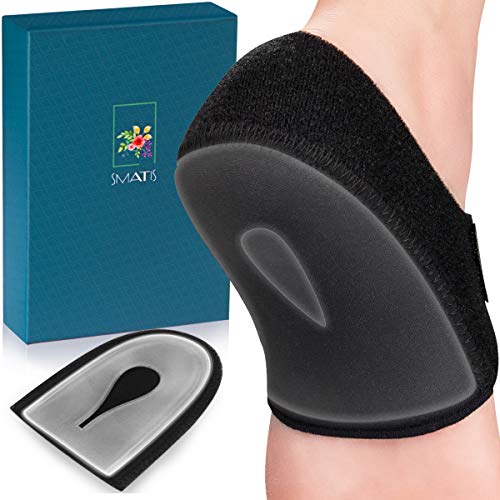
For bone spurs on the top of the foot, supportive shoes with firm arch and heel cushioning are key. These protectors add extra padding where needed, reducing sharp pain during movement. Look for shoes with thick soles and reinforced toe boxes to prevent irritation.
Heel cups and arch supports help distribute pressure evenly, easing strain on spurs. These inserts fit inside shoes to absorb shock, keeping feet stable. Prioritize breathable materials to avoid swelling and discomfort.
5. Forefoot Callus Pads
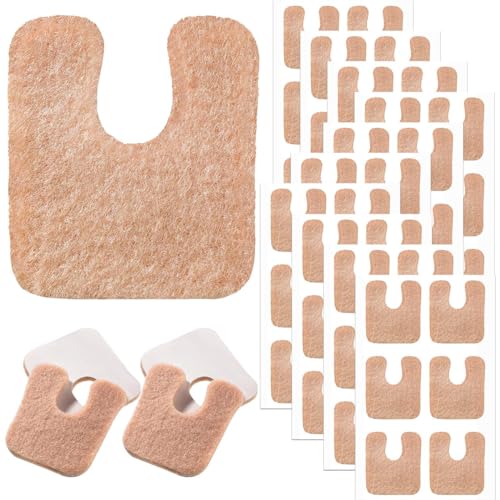
When dealing with bone spurs on the top of your foot, the right shoes matter just as much as extra cushioning. Look for footwear with ample arch support and a wide toe box to prevent irritation. Soft, padded materials help distribute pressure evenly, reducing discomfort.
For added protection, U-shaped felt pads can absorb friction where spurs form. They stick to shoes, shielding sensitive areas from rubbing. Pair these with shoes that fit snugly but aren’t tight, keeping spurs from aggravating further.
6. Metatarsal Callus Pads

When dealing with bone spurs on the top of your foot, proper footwear is key. Opt for shoes with ample cushioning, a wide toe box, and good arch support to reduce pressure points. These features help distribute weight evenly and minimize irritation from hard surfaces.
For extra protection, adhesive pads like these U-shaped felt inserts can prevent calluses from rubbing against shoes. They sit over the spur, absorbing shock and keeping friction low. Pair them with shoes that fit well and offer firm support to ease discomfort.
7. Memory Foam Heel Cushion Inserts

For bone spurs on the top of the foot, proper footwear is key. These memory foam heel lifts raise the heel slightly, reducing pressure where spurs form. They help align the foot’s natural structure, easing pain and preventing further irritation.
Wedge inserts like these also improve gait, distributing weight evenly. When paired with supportive shoes, they cut down on discomfort and long-term strain. Look for firm soles and arch support to complement the lifts.
8. Orthopedic Arch Support Slippers

For bone spurs on the top of the foot, supportive slip-ons like these provide cushioning that reduces pressure points. The arch support helps distribute weight evenly, easing irritation from bony growths. A firm heel counter prevents overpronation, which can worsen discomfort over time.
The breathable design keeps feet dry, minimizing swelling, while the smooth sole prevents friction that could aggravate the spur. These shoes offer a balance of stability and comfort, making them ideal for daily wear without exacerbating pain.
9. Orthopedic Flat Feet Supportive Loafers

These slip-on loafers offer arch support and cushioning tailored for flat feet, easing pressure on the top of the foot where bone spurs often form. The reinforced heel and ankle stability help reduce pain from heel spurs and plantar fasciitis by distributing weight evenly. Diabetic-friendly materials prevent irritation while maintaining breathability, making them ideal for daily wear. The slip-on design simplifies dressing, and the supportive structure minimizes stress on sensitive areas.
10. Orthopedic Walking Shoes for Foot Pain Relief

For bone spurs on the top of the foot, supportive athletic shoes with orthotic padding are key. These models prioritize cushioning and arch support to reduce pressure points where spurs form. The slip-on design and lightweight build make them ideal for daily wear without strain.
Look for firm heel counters and reinforced toe boxes to prevent irritation. Trail and running styles often blend durability with shock absorption, helping maintain foot alignment over time.
