
best shoes for athletes foot

As an Amazon associate, Comfy-Kicks.com earns from qualifying purchases at no cost to you.
Moisture control is key, so shoes with built-in ventilation or breathable linings are ideal. Look for shoes with a good grip to prevent slipping, especially if you’re active. Brands that specialize in athletic footwear often incorporate antimicrobial treatments to reduce fungal growth. Prioritize comfort with cushioned insoles to reduce pressure points that can lead to blisters or infection. Always check for signs of wear and replace shoes regularly to maintain their effectiveness.
best shoes for athletes foot in 2026
1. Athlete’s Foot Odor-X Spray
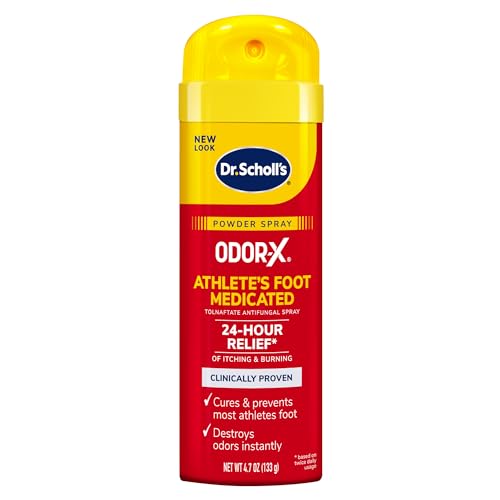
For athletes dealing with persistent foot issues, proper footwear is key. Solid, breathable shoes help keep feet dry and reduce moisture buildup, which is critical for preventing irritation and fungal growth. Look for materials that wick sweat away and have ample ventilation.
Dr. Scholl’s medicated powder spray targets relief fast. It stops itching and burning while fighting athlete’s foot and odors. A quick spray in shoes keeps them fresh and fungus-free, making it a smart addition to any athletic footwear routine.
2. Foot & Shoe Deodorizer Spray

Athletes often deal with fungal issues in their shoes, especially after long runs or sweaty conditions. This spray targets toe fungus and keeps feet dry, preventing infections that worsen with poor ventilation. Proper footwear is key, but this treatment ensures shoes stay clean and odor-free, reducing moisture buildup.
Healthy toenails and feet start with consistent care. The spray fights fungal growth while promoting nail strength, making it a must for athletes who wear tight or synthetic shoes. Less fungus means fewer flare-ups, keeping feet comfortable year-round.
3. Athlete’s Foot Deodorant Powder Spray

Athlete’s foot thrives in sweaty, confined spaces like tight shoes. A good daily prevention spray keeps feet dry and reduces fungal growth. The powder spray targets moisture and odor, making it ideal for runners or anyone wearing synthetic shoes.
For long-term relief, combine it with breathable footwear. Moisture-wicking socks and well-ventilated shoes cut risk. Prevention is easier than treatment—keep feet dry and spray regularly to avoid flare-ups.
4. Athlete’s Foot Antifungal Spray

Athlete’s foot thrives in tight, sweaty shoes, so keeping feet dry is key. The powder spray targets moisture buildup, preventing fungal growth that thrives in damp conditions. Proper footwear—breathable, moisture-wicking—reduces sweat, making this treatment more effective.
For long-term relief, combine the spray with shoes that allow airflow. Avoid synthetic materials that trap heat. A good fit and ventilation keep feet dry, cutting down on recurring infections.
5. Natural Foot Odor Powder

For athletes dealing with sweaty feet, proper footwear is key. A good powder keeps shoes fresh by absorbing moisture and preventing bacteria buildup. This helps reduce odor and keeps feet dry, which is crucial for long runs or intense training.
The powder also disinfects, killing germs that cause foot odor. It’s safe for everyone, including kids and athletes, making it a reliable choice for any shoe type. Lasting up to six months, it’s a simple yet effective way to maintain clean, odor-free feet.
6. Anti-Fungal Foot Powder

For athlete’s foot, tight or sweaty shoes create the perfect breeding ground for fungus. A good foot powder like Desenex can cut through moisture buildup, keeping feet dry and preventing irritation. It targets the root cause by absorbing sweat and stopping fungal growth, which is key when wearing shoes that trap heat.
The powder’s anti-fungal formula also soothes itching and burning, reducing scaling over time. If you’re dealing with recurring issues, choosing breathable shoes and applying this powder regularly will keep feet healthy and free from irritation.
7. Athlete’s Foot Powder

For athletes dealing with persistent foot issues, a reliable antifungal treatment is key. The baking soda formula in this powder helps neutralize moisture and bacteria, which is critical when wearing shoes that trap heat and sweat. It stops itching and burning fast, keeping feet dry and comfortable after long runs or intense workouts.
Since shoes can worsen fungal growth, this powder acts as a daily defense. Its clinically tested formula fights infections while preventing odor buildup. A small but effective solution for anyone who prioritizes foot health in their gear.
8. Athlete’s Foot Antifungal Stick

Athlete’s foot thrives in tight, sweaty shoes, so keeping feet dry and treated is key. The stick version of antifungal treatment sticks to skin without residue, letting air circulate better than creams. Two sticks cover the whole foot, making it simple to apply between wearings.
Moisture and friction worsen fungus, so shoes should breathe well. Mesh materials and moisture-wicking fabrics help prevent recurrence. The stick’s clean application means no sticky buildup, letting shoes stay fresh longer.
9. Athlete’s Foot Spray Treatment

Athlete’s foot thrives in tight, sweaty shoes, so the right footwear is key. Moisture-wicking materials and breathable mesh keep feet dry, reducing fungal growth. Avoid nylon or synthetic-heavy shoes that trap sweat—opt for canvas or mesh designs with ample toe space.
For treatment, a liquid spray like this targets the root cause. Miconazole nitrate penetrates deep, stopping fungal spread. Pair it with shoes that ventilate well to prevent recurrence. Consistency with both product and footwear makes healing faster.
10. Sports Disinfectant Spray
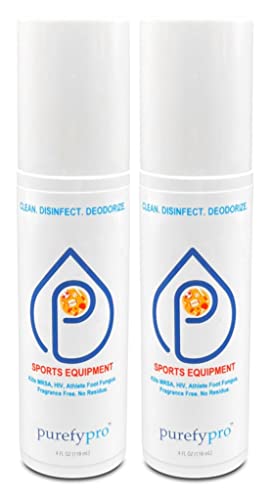
For athletes dealing with athlete’s foot, keeping equipment clean is critical. Shoes harbor fungus and bacteria, worsening infections. This spray kills 99.9999% of athlete’s foot fungus, ensuring shoes stay safe between use. No scrubbing or rinsing needed—just spray and let it work.
Yoga mats and sports pads also collect moisture and germs. The spray eliminates viruses, fungi, and MRSA without residue. Regular use prevents reinfection, making it essential for athletes who rely on shared gear.
