
best shoes for achilles tendonitis and plantar fasciitis

As an Amazon associate, Comfy-Kicks.com earns from qualifying purchases at no cost to you.
For daily wear, supportive sneakers or walking shoes with good heel cushioning work best. If you spend long hours on your feet, opt for shoes with extra padding in the heel and midfoot areas. For active recovery, consider lightweight, flexible shoes that still offer stability without adding too much bulk. Ignoring proper footwear can make symptoms worse, so picking the right pair early helps keep you comfortable and on your feet.
best shoes for achilles tendonitis and plantar fasciitis in 2026
1. Gel Heel Cups for Foot Pain Relief

For those who need consistent relief, these inserts work well in any shoe with a deep heel cup, helping to stabilize the foot and protect tender areas. They’re simple to slip into, making them a practical solution for both men and women who want to avoid aggravating their condition while walking or standing.
2. Orthopedic Comfort Walking Shoes

For those with flat feet or road-running habits, these shoes provide firm support to keep the foot aligned properly, preventing excessive rolling and stress on tendons and ligaments. The durable, breathable design also helps with long-term comfort and durability, making them ideal for active lifestyles.
3. Heel Pain Cushion Inserts

For those with dry, cracked heels or heel spurs, these pads add moisture retention and shock absorption. They’re especially useful in high-heeled shoes, where extra support prevents further irritation. Proper cushioning helps maintain foot health while keeping pain at bay.
4. Comfortable Work Sneakers for Feet

Non-slip soles provide stability during movement, while the lightweight material keeps them comfortable for long hours. The seamless construction also minimizes friction, which is crucial for those dealing with inflammation in those areas.
5. Pain Relief Orthotic Insoles
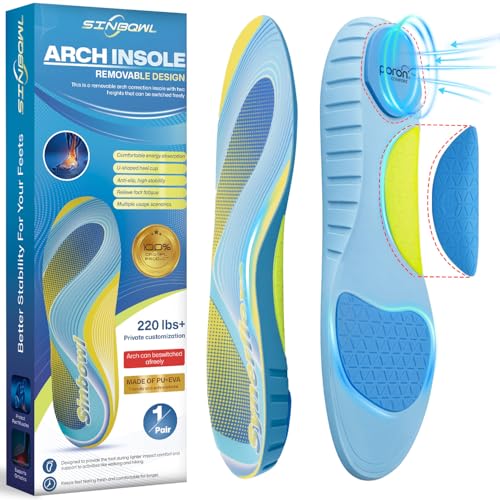
For flat feet, these insoles distribute weight evenly across the foot, preventing overpronation and reducing shock absorption issues. The deep cushioning absorbs impact during movement, minimizing stress on the tendons and joints. Whether you’re on your feet all day or engaging in physical activity, proper support keeps discomfort at bay.
6. Comfortable Orthopedic Pain Relief Shoes

The built-in arch support and diabetic-friendly design help distribute weight evenly, relieving pressure points that worsen over time. Ideal for casual wear or light activity, they combine stability with breathability, making them a practical choice for those needing relief without sacrificing mobility.
7. Foot Comfort Wedge Pads

Plantar fasciitis and bone spurs often demand shoes with a raised wedge to shift weight forward and reduce heel pressure. These wedge inserts work alongside proper footwear to distribute force evenly, reducing sharp pain and promoting healing. The right fit ensures your shoes offer both arch support and heel elevation to keep the foot stable and pain-free.
8. Orthopedic Comfort Shoes for Pain Relief

For those with heel spurs or persistent plantar pain, these shoes focus on shock absorption and breathable materials to keep feet comfortable. The sturdy design also supports the Achilles tendon, preventing strain during active recovery or light athletic activities like tennis or road running. Proper fit ensures no rubbing or misalignment, which can make symptoms worse over time.
9. Heel Pain Relief Inserts
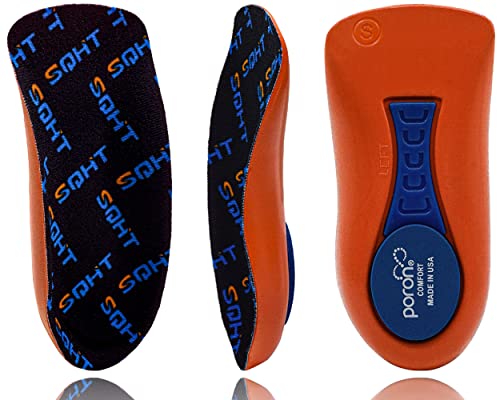
Heel inserts for heel spurs and plantar fasciitis provide targeted cushioning to relieve pain and inflammation. The deep heel cup helps realign the foot’s alignment, while the shock-absorbing foam reduces impact stress on the heel and Achilles area.
10. Plantar Fasciitis Night Brace

If your shoes aren’t providing enough arch support or heel cushioning, nighttime use of a high-quality brace can prevent overstretching of the Achilles or plantar fascia. It’s a simple but effective way to complement your footwear routine, ensuring your tendons and ligaments stay in the right position without extra strain. Many users find it works better than just wearing supportive shoes alone.
