
best running shoes for metatarsalgia pain

As an Amazon associate, Comfy-Kicks.com earns from qualifying purchases at no cost to you.
I’ve found that cushioning and stability are non-negotiable when choosing shoes for metatarsalgia. Brands like Brooks and Hoka offer models with thick midsoles and firm support, which help keep the foot stable while reducing impact. If you’re looking for a budget-friendly option, brands like Asics or New Balance provide solid forefoot cushioning without breaking the bank. Always try shoes on and walk around to ensure they fit well—no one wants blisters or extra pressure where you need it least.
best running shoes for metatarsalgia pain in 2026
1. Metatarsal Pain Relief Insoles

These insoles target the root cause of metatarsalgia by offering a thick metatarsal pad that shifts weight off the painful ball of the foot. They provide firm arch support to stabilize the foot structure, reducing strain on the plantar fascia and Morton’s neuroma. For runners dealing with persistent pain, this design helps distribute pressure evenly, cutting down on sharp jabs during each stride. The orthotic support also eases plantar fasciitis flare-ups by preventing overpronation. If you’re looking for a simple, effective upgrade over standard running shoes, these insoles deliver real relief without extra bulk.
2. Ball of Foot Gel Pads
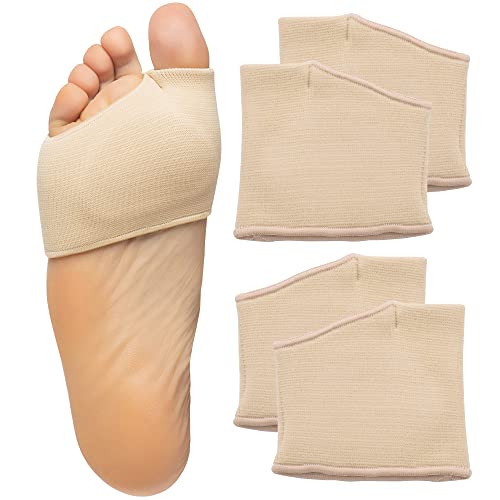
These fabric sleeves with gel inserts help reduce pressure on the ball of the foot, easing pain from metatarsalgia during long runs. They’re designed to fit snugly inside shoes, providing targeted cushioning for conditions like Morton’s neuroma or sesamoiditis without altering your stride.
Pairing them with supportive running shoes keeps your arch and metatarsal alignment stable, reducing strain. The lightweight design won’t slow you down, making them a smart addition for consistent pain relief.
3. High Arch Support Insoles

For metatarsalgia, proper arch support is key. Insoles with firm gel padding and deep heel cups distribute shock evenly, reducing pain in the ball of the foot. High arch inserts provide stability, preventing overpronation that strains the metatarsal bones. These inserts trim to fit, ensuring a snug, customized fit for consistent relief.
Flat feet or heavy-duty support needs mean extra cushioning. Orthotics with shock-absorbing gel target pronation and metatarsal stress. Running shoes with these inserts help maintain alignment, easing pain over time. Look for models that combine arch support with durable, breathable materials for long-term comfort.
4. Neutral Running & Walking Shoe

This shoe offers a balanced blend of cushioning and support, which helps reduce pressure on the metatarsal area during long runs or walks. Its neutral design provides stability without forcing your foot into an awkward position, easing discomfort from metatarsalgia.
The responsive foam and smooth midsole absorb shock effectively, protecting sensitive metatarsal joints. The snug yet breathable fit helps prevent overpronation, keeping pain at bay while keeping you comfortable for extended wear.
5. Foot Pain Relief Orthotics

For runners dealing with metatarsalgia, proper arch support and a metatarsal pad can make a big difference. These insoles distribute pressure evenly, reducing strain on the ball of the foot and easing sharp pain during long runs. The deep heel cup and firm cushioning help stabilize the foot, cutting down on overpronation that often worsens discomfort.
If you’re looking for a reliable solution, these insoles fit well in most running shoes, offering targeted relief without needing extra modifications. They’re built to handle daily wear while addressing Morton’s neuroma and arch issues, making them a solid choice for consistent pain management.
6. Metatarsal Gel Cushion Pads

For runners dealing with metatarsalgia or Morton’s neuroma, proper cushioning is key. These pads offer targeted relief by distributing pressure across the ball of the foot, reducing strain during long runs. They’re lightweight yet firm enough to support arches without bulk, making them ideal for shoes that already have good cushioning.
If your shoes lack metatarsal support, these pads can bridge the gap. They’re simple to slip into, so they won’t interfere with your stride. For consistent pain relief, they’re a practical addition to any running gear.
7. Metatarsal Gel Pads

For runners dealing with metatarsalgia, these pads offer targeted relief by cushioning the ball of the foot. They reduce pressure on sensitive areas, easing pain from overuse or structural issues. The gel padding absorbs shock, while the firm support helps maintain proper alignment during runs.
They’re ideal for those who need extra comfort without altering their footwear. Unlike full shoes, they’re lightweight and can be worn over existing shoes, making them practical for daily use. If you’ve tried other solutions and still feel discomfort, these might be worth testing.
8. Metatarsal Gel Cushion Sleeves
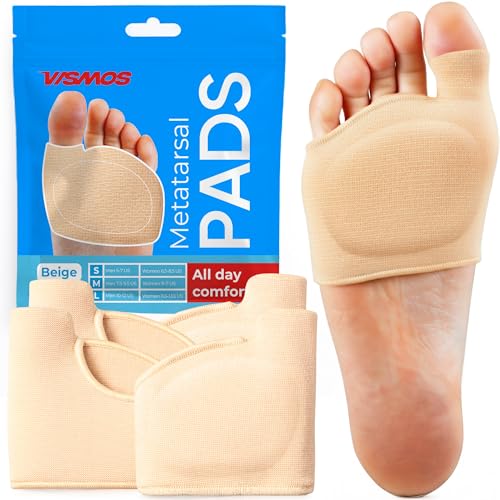
If you’re running in shoes meant for metatarsalgia, these pads help distribute pressure evenly across the ball of your foot. They’re designed to ease sharp pains from Morton’s neuroma or calluses by absorbing shock and reducing strain on sensitive areas.
The soft gel inserts fit into most running shoes, offering targeted relief without bulk. They’re especially useful for runners who feel discomfort in their forefoot, helping keep you on track without needing constant adjustments.
9. Metatarsal Gel Cushions

If you’re running in shoes meant for general foot support, the ball of your foot can take a hard beating—especially with metatarsalgia or Morton’s neuroma. Thicker, gel-infused pads like these help distribute pressure evenly, cutting down on sharp pain that can stop you dead in your tracks. They’re designed to fit snugly under the arch, offering relief without bulk, so they won’t interfere with your stride.
For those who need extra cushioning without sacrificing mobility, these pads work well alongside the right running shoes. They’re lightweight enough to stay put during long runs but thick enough to ease persistent discomfort. If your shoes lack built-in metatarsal support, adding these could be the simple fix you need to keep running pain-free.
10. Metatarsalgia Foot Support Insoles

If you’re dealing with metatarsalgia or Morton’s neuroma, the right running shoes and insoles make a huge difference. Proper cushioning and arch support help distribute pressure evenly, reducing sharp pain in the ball of your foot. Look for shoes with thick, shock-absorbing midsoles and wide toe boxes to prevent overcrowding.
For serious relief, insoles with dense padding and metatarsal pads shift weight off the affected area. They’re especially useful when paired with shoes that offer firm heel support and a stable platform. Even lightweight options can cut down on discomfort during long runs.
