
best lifting shoes for flat feet

As an Amazon associate, Comfy-Kicks.com earns from qualifying purchases at no cost to you.
I’ve found that shoes with a wide toe box also help prevent overpronation, which can lead to discomfort or injuries over time. Brands like Converse, Nike Metcon, or even some of the older-style squat shoes with a bit of height work well for lifting. If you’re doing heavy deadlifts or squats, make sure the shoe’s design won’t get in the way of your movement. Test a few styles to see what feels right for your feet and lifting style.
best lifting shoes for flat feet in 2026
1. Wide Toe Minimalist Sneakers

For flat feet, proper arch support is critical to prevent overpronation and discomfort during lifts. These shoes offer a wide toe box and minimalist design, allowing natural foot alignment without restrictive padding. The zero-drop sole encourages proper foot mechanics, reducing strain on arches and knees during heavy workouts.
The flexible, thick sole provides stability while lifting, and the flat base distributes weight evenly. The multi-material construction supports both walking and lifting demands, making them ideal for gym routines. Flat feet need this kind of freedom to move efficiently without added pressure.
2. Stability Support Insoles

For flat feet, stability matters. These insoles offer arch support and motion control, which help distribute weight evenly and reduce strain during heavy lifting. They trim to fit most shoes, ensuring a snug fit without sacrificing comfort.
Lifting with flat feet can lead to imbalance, so these insoles improve stability and balance. They’re ideal for weightlifting, powerlifting, or any sport requiring controlled movement. The low arch support prevents overpronation, keeping joints aligned.
3. Minimalist Barefoot Sneakers

For flat feet, support is key, and these minimalist sneakers offer a wide toe box that prevents overcrowding. The zero-drop sole encourages natural foot alignment, reducing strain during lifts. The knit material provides gentle cushioning without bulk, letting your feet move freely.
The thick, flexible sole absorbs impact while maintaining stability, ideal for weightlifting. The lightweight design keeps energy levels high without weighing you down. Flat feet need proper arch support, and these shoes adapt to your foot shape without restricting motion.
4. Barefoot Casual Sneakers

These minimalist shoes mimic natural foot movement, reducing arch strain for flat feet. The wide toe box distributes weight evenly, easing pressure on the feet during lifts. Zero drop alignment supports proper alignment, reducing knee and hip stress. Lightweight and breathable, they keep feet dry and comfortable during long sessions. Non-slip soles prevent slipping on gym floors, ensuring stability.
5. Outwork Athletic Shoes
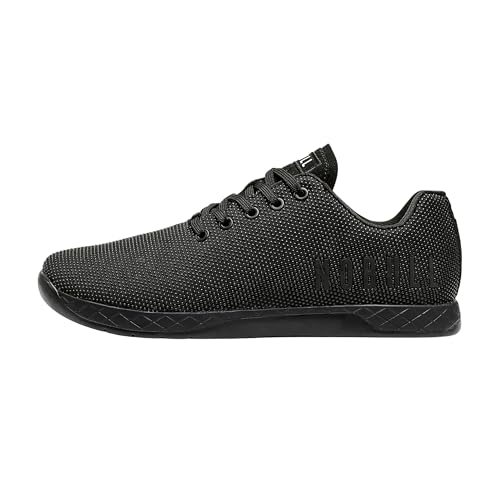
Designed for flat feet, these shoes provide a rock-solid flat platform, preventing overpronation and keeping your feet stable during heavy lifts. The reinforced carbon rubber sole offers unmatched grip, reducing the risk of slipping on the platform. The flat, rigid base ensures consistent foot positioning, which is critical for powerlifting and weightlifting. No arch support needed—just pure stability and control.
6. Breathable Barefoot Athletic Footwear

For flat feet, stability is key, and these shoes deliver. The wide toe box prevents overpronation while the reinforced arch support cradles your feet naturally. The breathable fabric keeps feet dry during intense lifts, reducing blisters and irritation.
The non-slip sole grips surfaces firmly, so you won’t lose balance on the bench or squat rack. Lightweight yet durable, they’re built for all-day wear without sacrificing support.
7. Men’s Minimalist Barefoot Workout Shoes

For flat feet, proper support is key, and these minimalist shoes offer a zero-drop design that mimics natural foot movement. The wide toe box prevents overcrowding, reducing strain on arches and promoting balanced weight distribution during lifts.
The lightweight, flexible construction allows for natural foot positioning, which helps stabilize lifts without forcing flat feet into awkward angles. The water-resistant material keeps feet dry in the gym, ensuring comfort during heavy sessions.
8. Minimalist Barefoot Shoes

For flat feet, proper arch support is critical to prevent overpronation and joint strain. These shoes offer a zero-drop sole, which aligns your foot naturally, reducing unnecessary stress on arches and heels during lifts. The wide toe box accommodates foot expansion, improving stability without restricting movement.
The lightweight design and slip-on fit make them practical for gym sessions, while the reinforced toe cap protects toes during heavy lifting. The flat, grippy sole ensures balance, making them a solid choice for lifting when arch support is needed.
9. Athletic Weightlifting Shoes
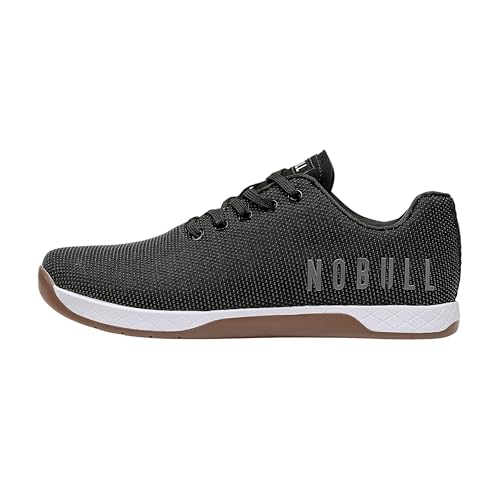
For flat feet, stability is key, and this shoe delivers. The flat, wide base prevents overpronation during lifts, keeping your arches supported without extra pressure. The reinforced sole locks your foot in place, reducing strain on your joints while maintaining a firm platform for heavy loads.
The carbon rubber grip sole sticks to the floor, ensuring no slipping during explosive movements. The snug, cushioned fit prevents blisters and keeps your foot stable for long sessions. If you need shoes that protect your feet while lifting, this is a solid choice.
10. Height-Increase Orthotic Inserts
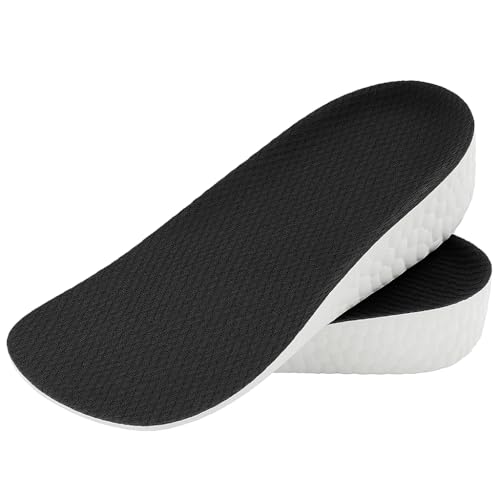
These insoles offer a subtle way to boost height while addressing common foot issues. They provide arch support to ease plantar fasciitis and flat feet discomfort, reducing heel pain. The invisible heel lift—just 2.5cm—fits neatly into most shoes, giving a slight height increase without sacrificing comfort or style. Ideal for those who need a practical solution for casual or dress shoes.
