
barefoot shoes for training

As an Amazon associate, Comfy-Kicks.com earns from qualifying purchases at no cost to you.
Many runners swear by barefoot shoes because they improve balance and reduce the risk of overuse injuries. The lighter the shoe, the more your foot works, which can make you a stronger, more efficient runner. Just be sure to choose the right fit and listen to your body. If you’re new to this, try short runs first and focus on form. It’s all about consistency and smart progression.
barefoot shoes for training in 2026
1. Minimalist Zero-Drop Footwear

These minimalist workouts shoes mimic natural foot movement, improving balance and strength. The zero-drop design reduces heel-to-toe strain, letting your feet adapt to uneven surfaces during cross-training or hiking. The wide toe box prevents crowding, keeping toes active and reducing injury risk. Ideal for weightlifting and walking, they support proper foot mechanics while allowing ground contact.
2. Minimalist Barefoot Running Shoes

These minimalist barefoot-style shoes mimic natural movement by offering a low drop and wide toe box, encouraging proper foot alignment. The lightweight design reduces fatigue during intense gym or trail workouts, letting you focus on form rather than shoe weight.
For runners or fitness enthusiasts, this setup improves balance and muscle engagement while cutting down on joint strain. The zero-drop sole adapts to uneven terrain, making it ideal for both indoor training and outdoor adventures.
3. Minimalist Walking Sneakers

Barefoot-style shoes like these offer natural foot movement by eliminating heel-to-toe elevation, reducing impact stress during training. The wide toe box accommodates foot width variations, preventing cramping and improving balance, which is key for endurance and agility drills.
The zero-drop sole mimics barefoot conditions, letting your feet adapt to uneven terrain. The durable, no-sew upper keeps up with cross-training demands while allowing breathability, making them practical for both gym and trail sessions.
4. Breathable Barefoot Hiking Shoes

Barefoot shoes designed for training mimic natural foot movement, improving balance and muscle engagement. These shoes offer lightweight, flexible soles that reduce impact while encouraging proper gait mechanics. Breathable materials keep feet cool during intense sessions, cutting down on sweat-related discomfort.
For those with neuropathy or foot sensitivity, non-slip designs provide stability without added pressure. Wide toe boxes prevent blisters and allow toes to spread naturally. Training in these shoes builds stronger feet, reducing long-term injury risks.
5. Minimalist Weightlifting Cross-Trainer Shoes

Barefoot shoes like these mimic natural foot movement, improving balance and proprioception during intense gym sessions. Zero drop design reduces strain on ankles and knees, letting your feet adapt to uneven surfaces while lifting or running.
For minimalists who train hard, these shoes offer stability without bulk. The wide toe box prevents cramping, and waterproof material keeps feet dry in damp gyms or outdoor workouts. Perfect for weightlifting, cross-training, or hikes.
6. Barefoot Trail Running Shoes

Barefoot shoes like these mimic natural foot movement, improving balance and strength. The wide toe box reduces pressure on toes, letting toes spread naturally, which is key for injury prevention during training.
They offer flexibility and breathability, keeping feet cool and reducing blisters. Ideal for walking, gym workouts, and light trail running, they help build muscle without restrictive footwear.
7. Minimalist Barefoot Trail Running Sneakers
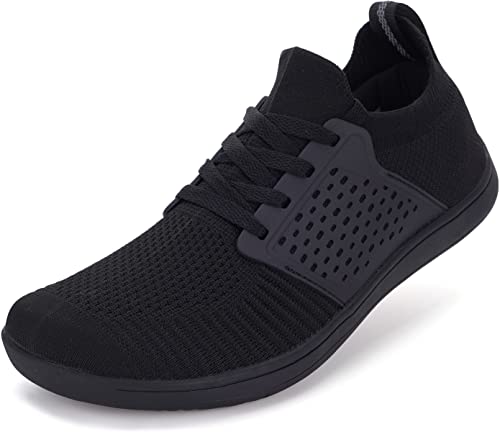
Barefoot training shoes like these offer natural foot movement by reducing heel-to-toe drop, mimicking ground contact. The wide toe box keeps toes free, improving balance and reducing blisters during long sessions. Lightweight materials cut fatigue, letting your feet adapt to terrain without extra strain.
For runners or hikers, minimalist designs enhance proprioception and muscle engagement. The low profile cuts down on impact, protecting joints while maintaining stability. Ideal for trail workouts, they blend comfort with performance without sacrificing form.
8. Minimalist Five-Finger Running Shoes

These minimalist barefoot-style shoes mimic natural foot movement, letting toes spread freely for better balance and grip. The zero-drop design reduces heel-to-toe strain, ideal for gym and treadmill workouts where stability matters. Wide toe boxes prevent crowding, improving foot health and reducing injury risks during intense training.
9. Barefoot Training Shoes

Barefoot training shoes like these mimic natural foot movement, improving balance and muscle engagement without artificial support. The wide toe box prevents crowding, letting toes spread naturally, which reduces injury risk and enhances proprioception during lifts and runs.
Zero-drop soles keep feet aligned with the ground, promoting better posture and reducing strain on joints. The slip-on design speeds up transitions between workouts, while the rugged build handles trails and gym sessions alike. Ideal for those who want efficiency and comfort in their training.
10. Minimalist Barefoot Sneakers

Barefoot shoes like these help retrain your feet to move naturally, reducing reliance on artificial support. The wide toe box prevents crowding, allowing toes to spread and engage muscles properly during movement. Zero drop alignment encourages a neutral stride, improving balance and reducing knee strain over time.
For training, these shoes offer stability without restricting motion. The thick, cushioned sole absorbs impact gently, making them ideal for light workouts or recovery walks. Minimalist design keeps feet active while reducing overuse injuries common in traditional shoes.
