As an Amazon associate, Comfy-Kicks.com earns from qualifying purchases at no cost to you.
Basketball shoes and volleyball shoes aren’t the same kind of shoes. Basketball shoes are built for quick cuts, jumps, and hard landings, which means they have thick, cushioned soles and sturdy sides to handle the impact of jumping and running. Volleyball, on the other hand, requires more flexibility and a lighter foot for quick lateral movements and spiking.
If you wear basketball shoes for volleyball, you might feel less stable on the court. The soles are too thick for the fast, controlled slides needed in volleyball, and the extra weight can slow you down. Plus, the design isn’t made to handle the sharp movements of a game like volleyball. It’s better to stick with shoes that are made just for volleyball if you want to play safely and move efficiently.
Basketball shoes are built for quick lateral cuts and explosive jumps, but if you switch to volleyball, you’ll need grip that holds firm on the net and court surface. A grip spray like the one described keeps your soles sticky without losing traction, so you won’t slip mid-spike or slide during serves. The anti-slip formula mimics volleyball-specific rubber, ensuring stability for dives and quick changes in direction.
The included cleaning wipes help maintain the grip after sweat or sand, keeping your shoes ready for every play. While basketball shoes aren’t ideal for volleyball’s demands, this spray adapts them to the sport’s needs—just don’t expect the same durability as a dedicated volleyball shoe.
These shoes offer a solid foundation for volleyball because of their supportive midsole and responsive outsole, which help absorb impact and provide stability during quick lateral movements. The structured design keeps your foot secure, which is crucial for the explosive jumps and sudden direction changes required in the sport. While not ideal for constant jumping like basketball, they’ll handle the occasional leap and side-to-side action better than most casual shoes.
Basketball shoes often prioritize ankle support and cushioning for sudden stops and jumps, which can translate well to volleyball’s explosive movements. The high-top design provides stability during dives and lateral shifts, though volleyball requires more flexibility for quick pivots and sliding.
However, volleyball demands a lighter, more responsive sole for rapid changes in direction. Basketball shoes may feel too bulky, reducing agility. If you need both, opt for a hybrid model or adjust fit to prioritize breathability and traction over pure basketball-specific features.
Basketball shoes like these have thick, cushioned midsoles designed for explosive lateral movements and high-impact landings, which volleyball players rarely need. The reinforced outsole provides grip on hard courts, but volleyball demands quick, low-impact footwork—something these shoes excel at—though they might feel heavier than specialized volleyball shoes.
The durable construction and ankle support could help with stability during jumps, but volleyball’s lighter demands mean they’ll wear out faster. If you’re switching between sports, these shoes could work for casual play, but not for serious volleyball unless you prioritize comfort over performance.
Basketball shoes offer solid traction and ankle support, which can translate well for volleyball. The high-top design helps stabilize your foot during quick lateral movements, while the non-slip sole grips the court effectively. However, volleyball demands more agility and quick changes in direction than basketball, so the extra cushioning might feel less necessary. If you prioritize stability and don’t require excessive bounce, these shoes could work, but lightweight options might feel more responsive.
Basketball shoes often prioritize ankle support and quick lateral movements, which can sometimes reduce grip on volleyball courts. That said, the spray provides a quick, non-toxic way to add traction where needed—just apply to the bottoms or edges of your shoes to prevent slips during serves or dives.
Since volleyball demands precise footwork and sudden stops, the fast-drying formula ensures no sticky residue lingers, keeping your shoes ready for action without compromising performance. It’s ideal for athletes who switch between sports, giving them extra confidence on the court.
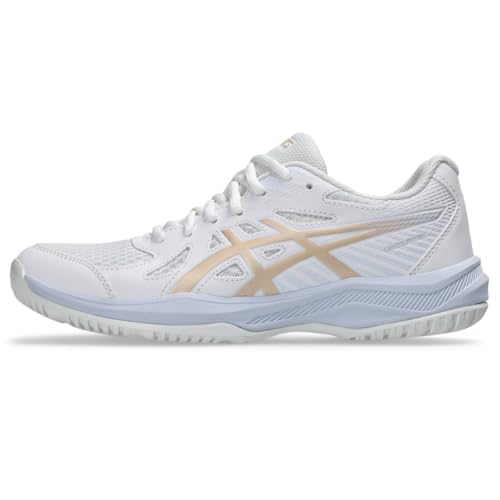
Basketball shoes often prioritize cushioning and durability for quick lateral movements, which can work for volleyball but may not match the lightweight agility needed for spiking and serving. The Upcourt 6’s design focuses on responsive support and breathable construction, making them a better fit for the sport’s explosive jumps and quick pivots.
Volleyball demands precise footwork and explosive power, and while basketball shoes can technically handle the basics, they lack the specialized traction and lightweight flexibility volleyball shoes provide. The Upcourt 6’s grip and structure align better with the sport’s demands, offering better performance in matches.
Basketball shoes are built for quick lateral movements and cushioning under intense jumping, which makes them less ideal for volleyball. The spikes or hard soles can cause discomfort on volleyball courts, and the lack of traction for sliding or quick pivots may slow you down. If you’re switching between sports, a dedicated volleyball shoe with softer, all-terrain grip is better for agility and comfort.
That said, if you’re tight on space, you might squeeze in basketball shoes for volleyball—just expect some trade-offs. The WOLT bag’s separate ball holder and shoes compartment could help organize your gear, but don’t rely on them for performance. For serious volleyball play, invest in proper footwear.
Basketball shoes are built for explosive lateral movements and cushioning, so they’re not ideal for volleyball’s quick jumps and side-to-side slides. The extra padding and stiff soles can feel bulky and restrict footwork, making them less efficient for the court’s demands.
Volleyball requires lightweight, flexible shoes with good traction, so basketball models won’t provide the right grip or breathability for long sessions. If you’re short on options, look for sneakers designed for sports like tennis or agility training instead.
Basketball shoes are built for quick lateral movements and high impact, which makes them less ideal for volleyball. The extra cushioning and stiff soles can hinder quick cuts and jumps needed for volleyball’s fast-paced play. If you must use them, ensure the shoes have good traction and flexibility, but expect discomfort over time.
For volleyball, lighter, more breathable footwear with softer soles and better grip is better suited. A dedicated sports bag like this one keeps gear organized, but switching shoes is key for performance and comfort.
Dress work shoes for women need to balance style with durability. You want something that looks polished enough for a boardroom meeting but can handle the wear…
Barefoot shoes have gained popularity in recent years, with many people swearing by their benefits for foot health and overall comfort. These minimalist shoes a…
Casual Adidas shoes for men are a staple in any wardrobe because they blend style with comfort effortlessly. Whether you’re running errands, heading to the offi…
When you’re spending long hours on your feet lifting, cutting, and assembling wood, the right shoes make a huge difference. Carpenters need support for their fe…
Choosing the right shoes for weightlifting is important for women who want to lift safely and perform well. Look for shoes with thick, cushioned soles and a stu…
Choosing the right shoes for the elderly is important for comfort, safety, and mobility. As people age, their feet often change shape and size, so shoes need to…