
what are the best shoes for diabetics

As an Amazon associate, Comfy-Kicks.com earns from qualifying purchases at no cost to you.
When picking diabetic shoes, focus on ones with a wide toe box so toes don’t get cramped. Brands like Dr. Scholl’s, Vionic, and Hoka offer great options with extra padding and shock absorption. Always get fitted by a professional to ensure a proper fit. Regular check-ups with a doctor and podiatrist are a must to keep feet healthy.
what are the best shoes for diabetics in 2026
1. Diabetic Walking Shoes

For diabetics, proper footwear is critical to prevent complications like ulcers or infections. These shoes offer a wide toe box, reducing pressure on toes while allowing circulation to stay unobstructed. The adjustable upper ensures a snug yet flexible fit, accommodating swelling or varying foot shapes.
The non-slip sole provides stability, which is vital for balance, especially with conditions like arthritis or edema. Comfort is built in—lightweight and designed for all-day wear—making them ideal for those needing gentle, supportive footwear.
2. Comfortable Diabetic Shoes

For diabetics, proper footwear is critical to prevent complications like ulcers or infections. The best shoes offer extra width, non-slip soles, and reinforced padding to protect sensitive feet. These features reduce pressure points and improve stability, especially for those with neuropathy or bunions.
Look for breathable, flexible materials that accommodate foot swelling. Adjustable straps and thick cushions help with circulation and pain relief. Comfortable, flat designs prevent strain on joints, making them ideal for daily wear. Prioritize durability and easy cleaning for long-term use.
3. Nerve Pain Relief Insoles

For those managing neuropathy or diabetes, proper footwear isn’t just a comfort—it’s critical. Dr. Scholl’s insoles ease nerve pain by distributing pressure evenly, which helps reduce flare-ups. They’re designed to work with diabetic-friendly shoes, ensuring circulation stays steady and irritation stays minimal.
Diabetics need shoes that protect sensitive feet, and these inserts fit right into them. They’re lightweight, breathable, and built to keep pressure off vulnerable areas. If you’re looking for a reliable way to manage foot discomfort alongside the right footwear, these insoles are a solid choice.
4. Diabetic Slip-on Shoes

For diabetics, proper footwear is critical to prevent complications. These shoes offer wide toe boxes to accommodate swelling and neuropathy, reducing pressure points. The slip-on design makes them easy to wear daily, while adjustable features help fit varying foot sizes.
They’re ideal for walking and daily use, providing cushioning and support for swollen feet. Black color keeps them versatile, and the focus on neuropathy relief makes them a top choice for managing foot pain.
5. Adjustable Memory Foam Orthopedic Slippers
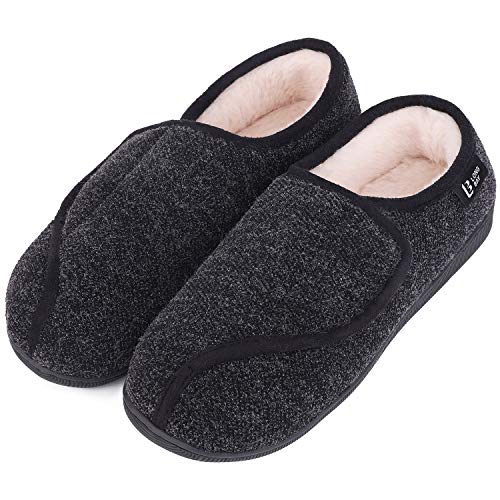
For diabetics, proper footwear is critical to prevent complications. The best shoes offer cushioning, wide toe boxes, and supportive arch design to reduce pressure points. Memory foam helps absorb shock, while adjustable features ensure a snug fit to prevent blisters or irritation.
These slippers combine indoor comfort with outdoor durability, ideal for daily use. Orthopedic support is key for neuropathy, easing pain and improving circulation. A wide fit accommodates swelling from edema, keeping feet protected and stable.
6. Diabetic Slippers

For diabetics, proper footwear is essential to prevent complications like ulcers or infections. The best shoes prioritize cushioning, a wide toe box, and slip-on ease to reduce pressure points. These slippers meet those needs with thick padding, extra room for toes, and flexible material for all-day comfort.
They’re ideal for indoor use but also durable for light outdoor walks. The slip-on design simplifies daily wear, while the wide toe box prevents blisters. For those managing diabetes, these shoes balance support and convenience effectively.
7. Diabetic Orthopedic Walking Shoes
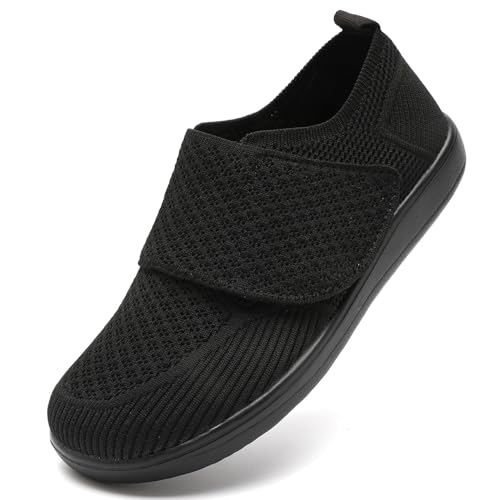
For diabetics, proper footwear is critical to prevent complications. The best shoes offer wide toe boxes to avoid pressure on swollen or sensitive feet, and a zero-drop design for natural foot alignment. Non-slip soles reduce fall risks, while extra cushioning absorbs impact without straining circulation.
These shoes meet those needs perfectly. Extra-wide sizing accommodates foot swelling, while orthopedic support reduces pain. The non-slip sole and zero-drop heel keep movement smooth and injury-free, making them ideal for daily walking.
8. Diabetic Walking Shoes

For diabetics, proper footwear is critical to prevent complications. These shoes offer a zero-drop design, reducing pressure on sensitive feet and improving circulation. The adjustable wide fit accommodates swelling from arthritis or edema, ensuring comfort during long hours of wear.
Breathable materials keep feet dry and cool, lowering infection risk. The barefoot walking style mimics natural foot movement, easing joint stress. These are ideal for active daily use, balancing support and flexibility.
9. Diabetic Orthopedic Recovery Shoes

For diabetics, proper footwear is critical to prevent complications like neuropathy or plantar fasciitis. These shoes offer wide toe boxes to accommodate swelling and reduce pressure points. The slip-on design makes them easy to wear daily, while the zero-drop heel ensures natural foot alignment, easing strain on joints.
Barefoot-style construction mimics natural movement, improving circulation and reducing stress on sensitive feet. Their versatility—suitable for indoor and outdoor use—keeps them practical year-round. Comfortable materials support recovery while preventing blisters or irritation.
10. Diabetic Orthopedic Walking Shoes

Diabetic shoes prioritize comfort and protection for feet prone to cuts, blisters, or nerve damage. Look for wide widths to accommodate swelling, thick soles for cushioning, and breathable materials to prevent moisture buildup. Orthopedic designs reduce pressure points, easing circulation issues common in neuropathy.
For walking or recovery, prioritize lightweight, flexible options with arch support. These shoes help prevent infections and ulcers while keeping feet dry year-round. Wide toe boxes also ease bunions or toe deformities without restricting movement.
