
shoes for squatting and running

As an Amazon associate, Comfy-Kicks.com earns from qualifying purchases at no cost to you.
For running, you need shoes that adapt to the repetitive impact of each stride. Cushioned midsoles absorb shock while keeping joints safe, and flexible soles encourage natural movement. Flat or slightly curved soles help maintain balance, and breathable upper materials prevent overheating. Brands like Brooks or Asics focus on lightweight yet supportive designs to keep runners moving efficiently.
shoes for squatting and running in 2026
1. Deadlift Cross-Trainer Sneakers

These shoes combine deadlift stability with cross-trainer versatility, ideal for lifting and light running. The reinforced toe box supports heavy loads during squats, while the grippy sole keeps feet planted on uneven gym floors or pavement. Lightweight yet durable, they balance strength and endurance for both lifting and moderate cardio.
2. Anti-Slip Deadlift Lifting Shoes
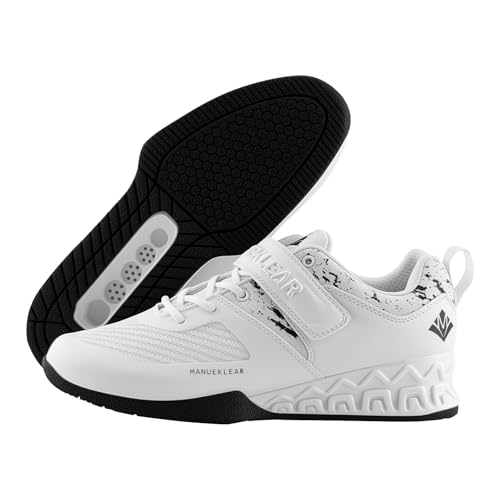
For squatting, these shoes provide the stability and grip needed to maintain balance during heavy lifts. The reinforced rubber sole locks into place, preventing slips on gym floors or uneven surfaces. This reduces strain on your ankles and knees, letting you focus on form and load.
When running, the durable sole offers traction for quick cuts and changes in direction. The lightweight design keeps fatigue low, while the bright white color ensures visibility. They’re built for both lifting and endurance, making them practical for athletes who switch between strength and cardio.
3. High-Performance Lifting Shoes

Designed for heavy lifting, these shoes provide the stability and support needed for deep squats and deadlifts. The rigid sole locks your foot in place, reducing ankle strain while maintaining ankle mobility for explosive movements.
Built for powerlifting, they’re far superior to running shoes. The thick, cushioned platform absorbs impact, protecting joints during intense weight training sessions. Flat sole keeps your foot aligned for maximum lift efficiency.
4. Weight Lifting Shoes for Squat & Deadlift

Men’s weightlifting shoes designed for squats and deadlifts prioritize stability and support. The deep heel lift keeps your torso upright, reducing strain on your lower back while maximizing leg drive. A reinforced grip prevents slipping on the platform, especially during heavy lifts.
For runners, the same shoes offer durable traction and cushioning. The sturdy sole absorbs impact, reducing joint stress, while the wide base improves balance. Versatile enough for both lifting and light jogging, they blend performance with comfort.
5. Minimalist Gym Shoes

These shoes offer a zero-drop design, which means no heel elevation, keeping your foot flat and natural. That’s key for squatting—it helps maintain proper form and reduces strain on your knees and lower back. For running, the minimalist build promotes a more natural stride, reducing impact forces on joints.
The lightweight, gum-soled build also makes them durable for gym work and walking. The wide fit accommodates foot shape well, preventing discomfort during long sessions. If you lift heavy or run often, these shoes could help improve efficiency and reduce injury risks.
6. Deadlift Weightlifting Shoes

For squatting, these shoes offer a flat, rigid sole that locks your foot into place, reducing knee strain while keeping your heels grounded. The thick, grippy rubber keeps you stable during deep barbell movements without sacrificing ankle mobility.
When running, the lightweight design and flexible sole mimic barefoot feel, improving natural foot movement and reducing impact. The deep tread helps with traction on hard surfaces, making them practical for cross-training too.
7. Minimalist Barefoot Cross-Trainer Shoes

These shoes prioritize natural foot movement for squats by offering a zero-drop sole, reducing strain on ankles and knees. The wide toe box accommodates foot expansion during deep lifts, improving balance and reducing pressure on toes.
For running, the lightweight design and flexible sole encourage efficient stride mechanics. The slip-on fit keeps them practical for quick transitions between workouts, while the durable build handles trail and gym demands without compromising comfort.
8. Stability Squat Shoes

For squatting, these shoes lock your feet in place with a firm grip, preventing slippage during deep ranges. The non-slip rubber sole keeps you stable on gym floors, reducing the risk of injury from uneven surfaces. A wide toe box lets your feet spread naturally, improving balance and reducing knee strain.
The heel support keeps your posture aligned, mimicking a flat-footed stance for powerlifting. While not ideal for running, they offer solid ankle support for explosive lifts. The black/white design blends with gym aesthetics while prioritizing function.
9. Minimalist Wide-Toe Cross-Training Shoes

These minimalist shoes prioritize natural foot movement for squats by eliminating drop and offering a wide toe box. The zero-drop design encourages proper weight distribution, reducing strain on knees and ankles during deep lifts. For running, lightweight construction cuts fatigue, while the flexible sole mimics barefoot efficiency, improving stride consistency and reducing overuse injuries. The design supports both strength training and endurance without sacrificing comfort.
10. Wide Toe Minimalist Workout Shoe

For squatting, these shoes offer a natural toe spread that mimics barefoot movement, reducing strain on joints while improving balance. The wide toe box prevents crowding, letting toes work independently for deeper engagement. The minimalist design supports natural foot mechanics, cutting down on unnecessary pressure on knees and ankles.
When running or HIIT, the five-finger construction enhances grip and stability, reducing slippage. The lightweight material cuts down on fatigue, letting you focus on form. The breathable design keeps feet cool, while the sturdy yet flexible sole absorbs impact better than stiff running shoes.
