
shoes for half amputated foot

As an Amazon associate, Comfy-Kicks.com earns from qualifying purchases at no cost to you.
Look for shoes made with flexible yet supportive materials, like leather or synthetic blends. Some brands offer prosthetic-friendly shoes with built-in ankle support or removable insoles for adjustments. Always measure your stump regularly since swelling can change fit over time. A good fit prevents blisters, keeps your prosthetic in place, and helps you walk without pain. Don’t skimp on quality—your feet deserve the best.
shoes for half amputated foot in 2026
1. Shoe Filler Inserts

For someone with a half-amputated foot, finding shoes that fit properly can be tricky. A cushion insert helps distribute pressure evenly, reducing discomfort and preventing sores. Memory foam adjusts to fit snugly, ensuring stability without cutting off circulation.
This insert is lightweight and flexible, making it ideal for high heels, boots, or casual shoes. It reduces toe space, improving fit without sacrificing comfort. For those who need extra support, it’s a simple way to enhance shoe performance.
2. Loose Shoe Toe Fillers

For someone with a half-amputated foot, loose shoes can cause discomfort and instability. These inserts provide extra toe space, reducing pressure points while keeping the foot secure. The foam padding distributes weight evenly, easing strain on remaining toes and joints.
The rounded design helps align the foot naturally, preventing missteps. They adjust shoe size without altering footwear, letting you wear what fits best while protecting sensitive areas. Simple yet effective, they’re ideal for maintaining mobility and comfort.
3. Adjustable Toe Inserts

These inserts help maintain proper foot alignment by filling gaps in shoes that are too large for a half-amputated foot. They distribute pressure evenly, reducing discomfort and preventing blisters or sores where the foot meets the shoe.
The cushioning keeps the remaining foot stable, especially in high-heeled or stiff boots. The adjustable toe pads ensure a snug fit, preventing slippage and improving circulation. Black and beige options blend with most footwear, making them practical for daily use.
4. Loose Shoe Anti-Slip Inserts
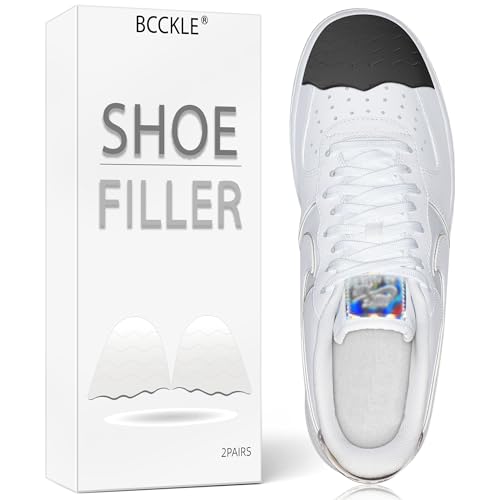
These inserts help secure a half-amputated foot by filling gaps in loose shoes, preventing slippage at the toe and heel. The anti-slip pads grip the foot firmly, reducing friction and discomfort during movement. The ergonomic design adapts to irregular shapes, ensuring a snug fit without strain. Adjustable insoles accommodate varying shoe sizes, making them ideal for stability and comfort in custom footwear.
5. Shoe Filler Inserts

These inserts help distribute weight evenly across remaining foot tissue, reducing pressure points. The toe cushioning prevents blisters and irritation from uneven foot shape. Adjustable insoles let you fit shoes that are too large, keeping them secure and comfortable. The firm grip prevents slippage, which is critical for stability.
6. Adjustable Toe Fillers
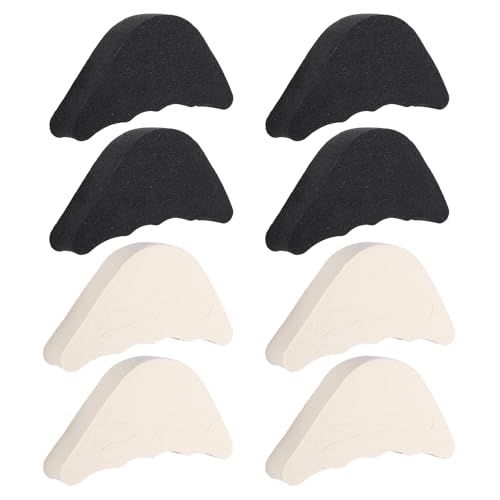
For those with half amputations, these inserts provide critical pressure relief by filling gaps between toes and the shoe. The cushioning material absorbs shock, reducing strain on remaining limbs during movement. Adjustable fit ensures a snug, secure closure that prevents slippage, which is vital for stability.
The half-size cushioning also helps distribute weight evenly, easing discomfort from uneven foot surfaces. Beige and black options blend into any shoe style, making them practical for daily wear or active use.
7. Adjustable Shoe Fillers

For those with half amputated feet, adjustable shoe fillers can drastically improve comfort by filling gaps left by prosthetics. The toe cushion inserts distribute pressure evenly, preventing sharp edges from digging into sensitive skin. This helps maintain stability while walking, reducing friction and irritation over time.
The universal fit means it works for men, women, and kids, making it practical for any size. High-heel shoes often feel tight, but these fillers add support without sacrificing style. They’re lightweight, easy to insert, and designed to last, ensuring long-term relief.
8. Toe Cushion Inserts

For someone with a half-amputated foot, loose-fitting shoes can cause discomfort and pressure points. These inserts provide cushioning between toes and the shoe’s interior, reducing friction and distributing weight evenly. The half-size fillers adapt to contours, preventing sharp edges from digging in.
High heels and dress boots often lack proper support, but these inserts adjust to fit snugly without sacrificing comfort. They help maintain balance and reduce strain on remaining limbs by filling gaps where shoes might pinch. Reusable and durable, they’re a simple solution for better mobility and pain relief.
9. Shoe Fitting Inserts

For half-amputated feet, tighter shoe fits improve circulation and reduce pressure points. These inserts add cushioning where needed, preventing blisters and discomfort. They also distribute weight evenly, helping with stability and mobility.
Anti-friction and anti-slip inserts prevent slipping, which is critical for safety. The toe cushion filler ensures a snug fit without cutting off circulation. Blue options offer breathability, keeping feet cool and dry. These inserts adapt to irregular shapes, making shoes more comfortable.
10. Anti-Slip Heel & Toe Pads

These inserts help maintain proper foot alignment for half amputated feet by filling gaps and preventing slippage at the toe and heel. The anti-slip pads grip the sole firmly, reducing discomfort from shifting during movement. The ergonomic design adapts to uneven surfaces, while adjustable insoles ensure a snug fit for larger shoes. This setup improves stability and comfort, letting you walk longer without pain.
