
running shoes for morton’s neuroma

As an Amazon associate, Comfy-Kicks.com earns from qualifying purchases at no cost to you.
For best results, opt for shoes with a firm heel counter to keep the foot stable. Brands that focus on arch support and a cushioned sole tend to work well for neuromas. If possible, try on shoes with thick socks to ensure they fit properly. A little extra padding in the forefoot can also help distribute weight more evenly. Don’t forget to replace shoes regularly—wear and tear can weaken support over time. If pain persists, consult a podiatrist to rule out other issues.
running shoes for morton’s neuroma in 2026
1. Ball of Foot Pain Relief Pads
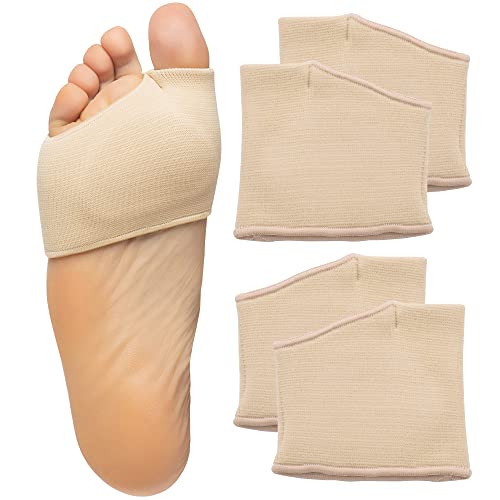
These pads help distribute pressure evenly across the ball of your foot when wearing running shoes. Morton’s neuroma often causes sharp pain here, and these sleeves reduce irritation by cushioning the affected area. The gel inserts provide targeted relief, easing discomfort during long runs or daily wear.
Designed for both men and women, the fabric sleeves fit snugly without restricting movement. They’re ideal for runners dealing with Morton’s neuroma, offering consistent support and reducing flare-ups. Medium size works for most foot shapes, making them practical for daily use.
2. Running Orthotic Insoles

Designed for runners dealing with Morton’s neuroma, these insoles provide targeted relief by distributing pressure across the ball of the foot. The built-in metatarsal pad shifts weight away from the affected area, reducing irritation and pain during long runs.
The orthotic arch support helps stabilize the foot’s structure, which is crucial for those who experience recurring discomfort. This combination of cushioning and alignment makes them ideal for runners who need consistent pain relief without altering their natural stride.
3. Gel Metatarsal Foot Pads

These pads help distribute pressure evenly across the ball of your foot, reducing sharp pain from Morton’s neuroma. When paired with running shoes, they ease stress on the affected nerve by lifting and cushioning the forefoot, cutting down on irritation during long runs.
For consistent relief, place them in the middle of your shoe’s arch area. They’re lightweight enough not to disrupt your stride but thick enough to block nerve compression. Great for runners who notice stiffness or tingling in the forefoot after each session.
4. Arch Support Running Insoles
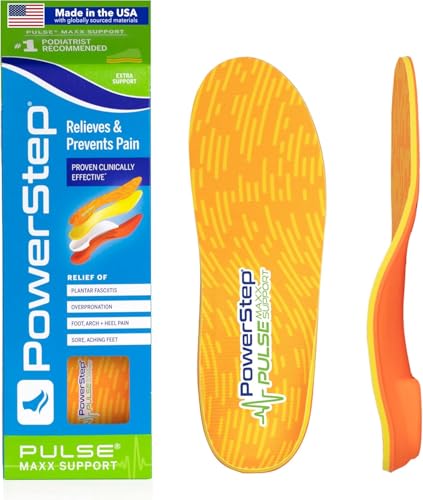
For runners dealing with Morton’s neuroma, proper arch support is critical. The insole provides deep cushioning and firm medial arch support to reduce pressure on the nerve between the third and fourth toes. This helps alleviate sharp pain and discomfort during long runs by distributing weight evenly.
The design also targets plantar fasciitis by offering shock-absorbing properties. The color options—orange or green—add practicality without sacrificing function. Ideal for men’s size 5-5.5 and women’s size 7-7.5, it fits standard running shoes well.
5. Gel Foot Pads for Pain Relief

Running shoes with metatarsal pads can ease Morton’s neuroma pain by redistributing pressure on the ball of the foot. These pads help reduce friction and support the forefoot, which is often tight in standard running shoes. They’re especially useful for runners who experience sharp pain between toes, as they keep the foot aligned properly and minimize nerve compression.
6. Metatarsal Gel Cushions

These pads help reduce pressure on the ball of the foot, easing sharp pain from Morton’s neuroma during runs. They fit snugly between toes and shoes, absorbing shock while maintaining arch support. Ideal for runners who experience numbness or tingling in that area, they provide consistent relief without bulk.
7. Neuroma Foot Inserts

For runners dealing with Morton’s neuroma, these inserts provide targeted relief by redistributing pressure off the ball of the foot. The deep cushioning and arch support help ease sharp pain while maintaining stability during long runs. They’re designed to reduce irritation around the metatarsal heads, letting you keep training without flare-ups.
The materials offer shock absorption that softens each stride, which is key for runners who’ve noticed discomfort worsening over time. Whether you’ve got plantar fasciitis or just persistent metatarsal pain, these insoles keep the foot aligned properly, cutting down on unnecessary strain. They’re built for all-day wear, so they’re worth testing if your shoes feel too bare.
8. Metatarsal Gel Foot Pads

For runners dealing with Morton’s neuroma, these pads help distribute pressure evenly across the ball of the foot. They reduce sharp pain by cushioning the affected area, cutting down on irritation from tight shoes or uneven terrain. The gel pad adds extra shock absorption, which is key for long runs without flare-ups.
The design fits snugly underfoot, so they don’t shift during movement. They’re lightweight enough to wear all day without bulk, making them a practical addition to any running shoe. For consistent relief, they’re best paired with supportive footwear to prevent recurring discomfort.
9. Metatarsal Foot Cushions

Running shoes with Morton’s neuroma can feel like walking on glass, but these thickened foot pads ease the pressure on the ball of the foot. They redistribute weight and reduce sharp pain during long runs or standing. The non-slip design keeps them in place, so you don’t have to worry about shifting mid-stride. Perfect for runners who need consistent relief without extra bulk.
10. Foot Pain Relief Orthotics

These insoles offer targeted relief for Morton’s neuroma pain by distributing pressure evenly across the ball of the foot. Made with a metatarsal pad, they reduce strain on the affected nerve, easing sharp shooting pains during runs. The arch support stabilizes the foot, preventing excessive pronation that can worsen neuroma symptoms. Made in the USA, they’re durable and designed to fit well in most running shoes.
