
good shoes for roofing

As an Amazon associate, Comfy-Kicks.com earns from qualifying purchases at no cost to you.
Avoid anything too thin or flexible, and steer clear of open-toed shoes or sandals. Even if they’re stylish, they won’t protect your feet when you’re dealing with sharp objects or slippery surfaces. If you’re working in extreme heat or cold, make sure the shoes have breathable material and good insulation. A little extra investment now means you won’t be stuck with blisters or foot pain later. Just pick something that’s built for the job and won’t let you down.
good shoes for roofing in 2026
1. Waterproof Work Sneakers

For roofing, durability is key. Steel-toe shoes protect your feet from falling debris, heavy materials, and sharp edges without adding unnecessary weight. Waterproofing keeps your feet dry in wet conditions, preventing slips and discomfort. Lightweight design lets you move efficiently on ladders and steep slopes without exhaustion.
Composite soles offer grip on slippery surfaces, while alloy construction resists wear from nails, screws, and rough terrain. These shoes blend safety with practicality, making them essential for long shifts in hazardous environments.
2. Leather Work Boots

For roofing, durability and grip matter most. These boots offer a sturdy, Goodyear-welted construction that resists wear from nails and tools. The soft oil grain leather stays flexible in all weather, preventing blisters while keeping your feet protected against sharp edges.
The anti-slip sole and shock absorption mean you stay steady on uneven surfaces and reduce fatigue. Perfect for electricians and roofers, they balance comfort with performance for long shifts.
3. Waterproof Work Shoes

Roofing demands rugged footwear that protects against sharp edges and wet conditions. Steel-toe construction shields toes from impacts, while waterproofing keeps feet dry in rain or dew. Non-slip soles prevent falls on slick surfaces, critical for safety on steep or uneven rooftops.
Durability matters—these shoes resist wear from nails, tools, and abrasion. ASTM-rated strength ensures long-term reliability. Black color blends with workwear, and tennis-style fit offers comfort for long shifts. Essential for roofers who prioritize protection and efficiency.
4. Non-Slip Work Safety Shoes

Roofing demands footwear that balances durability and grip. Steel-toe construction protects toes from falling debris, a constant hazard on steep slopes. Non-slip soles prevent slips on wet or uneven surfaces, critical when working near edges.
Waterproofing keeps feet dry in rain or dew, reducing fatigue. Lightweight design eases long shifts without strain. ASTM certification ensures safety standards meet industry needs. Comfortable fit prevents blisters, letting you focus on precision work.
5. Indestructible Safety Roof Shoes
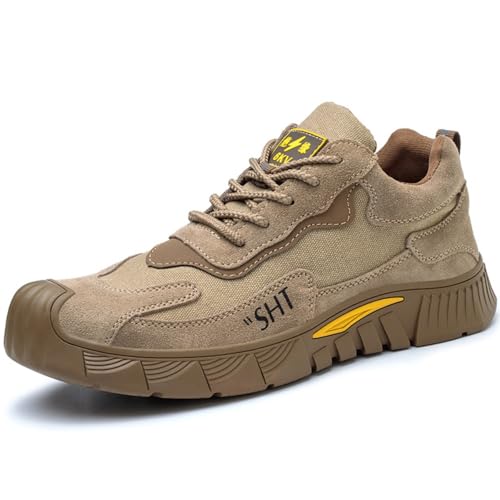
Roofers need shoes that hold up under harsh conditions. These boots combine slip-resistant soles with reinforced steel toes to protect against falls and debris. The insulated bottom keeps feet warm in cold climates, while breathable material prevents sweaty, uncomfortable work.
Lightweight design means less fatigue during long shifts. The grip ensures stability on uneven shingles, reducing slips and injuries. Durable construction means they last through years of tough roofing work.
6. Non-Slip Steel Toe Work Shoes

Roofing demands durability and grip. Non-slip steel-toe shoes keep feet safe from sharp objects while resisting water, preventing slips on wet surfaces. Lightweight construction reduces fatigue, letting workers move efficiently without strain. The black steel toe protects toes from falling debris, and the waterproof material ensures comfort in rain or humidity. These shoes combine protection with practicality for long shifts on steep or slippery rooftops.
7. Slip-On Snow Cleats

For roofing, these slip-on cleats offer grip without the hassle of spikes. The rubber treads stick to wet surfaces, preventing slips on icy or slick decks. They’re lightweight and easy to slip on, so you won’t slow down while working.
They’re also versatile for indoor use, keeping floors safe in damp conditions. Small-medium sizes fit most workers, making them practical for daily tasks. No laces or bulky designs—just reliable traction.
8. Slip-On Traction Cleats

For roofing work, slip-resistant overshoes keep you steady on wet, icy surfaces without bulky spikes. They grip tight with deep rubber treads, preventing falls during inspections or repairs. No need for heavy boots—lightweight and easy to slip on, they’re ideal for quick, safe transitions between slippery rooftops and dry ground.
These overshoes handle both indoor and outdoor use, offering traction where slippery floors or icy walkways demand it. Their slip-on design saves time, while the grips ensure stability on slick surfaces. Perfect for roofers who need reliable footing without sacrificing mobility.
9. Steel Toe Work Shoes

Roofing demands durability and protection. These shoes provide steel toe protection to guard against heavy materials falling. Puncture resistance prevents sharp nails or debris from piercing the sole, keeping feet safe.
Comfortable fit and lightweight design reduce fatigue during long shifts. The sturdy construction ensures they hold up under constant wear, making them reliable for high-risk tasks.
10. Metal Roofing Boots

Roofers need footwear that handles sharp edges and slippery surfaces. These boots combine steel toes for impact protection with grippy soles to prevent falls on metal roofs. The tough construction keeps them sturdy through long shifts, while the black work style blends into any job site.
Durability isn’t just a feature—it’s a necessity. The reinforced materials resist wear from nails, screws, and uneven terrain. Non-slip soles lock onto metal panels, reducing injuries. For contractors who work high or in tight spaces, these boots offer both safety and reliability.
