
best work shoes for morton’s neuroma

As an Amazon associate, Comfy-Kicks.com earns from qualifying purchases at no cost to you.
Stick to shoes made from breathable materials to keep feet dry, and opt for a firm heel counter to prevent excessive movement. Brands like Brooks, Hoka, or Asics offer models specifically designed for foot pain, with thick midsoles and wide toe boxes. If you’re on your feet all day, consider insoles with gel padding for extra cushioning. Always try shoes on and walk around to make sure they fit well—no extra room that causes shifting. A little extra care now can save you from discomfort later.
best work shoes for morton’s neuroma in 2026
1. Foot Pain Relief Cushions

For those dealing with Morton’s neuroma or metatarsalgia from long work hours, proper foot support is key. The JUMPOW pads provide extra cushioning directly on the ball of the foot, reducing pressure where pain often strikes. They fit inside shoes to ease discomfort without altering your stride.
These non-slip pads also help prevent further irritation by distributing weight evenly. With adjustable straps, they stay in place all day, making them ideal for work shoes that must balance comfort and durability.
2. Metatarsal Foot Pads

For Morton’s neuroma sufferers, proper footwear is key, but these thick metatarsal pads offer extra relief. They distribute pressure evenly across the forefoot, reducing strain on the nerve between the third and fourth toes. When worn under shoes with arch support, they cut down on sharp pain spikes during long hours of standing or walking.
These cushioned pads also help with metatarsalgia by softening the ball of the foot. They’re ideal for work shoes that lack adequate forefoot padding. Pair them with supportive sneakers or dress shoes to manage discomfort long-term.
3. Metatarsal Cushion Pads

For Morton’s neuroma, the right work shoes matter, but so do small adjustments. These metatarsal pads help distribute pressure evenly across the ball of the foot, reducing irritation that shoes alone can’t fully address. They’re lightweight yet firm, fitting snugly under the arch to ease sharp pain without bulk.
If your feet ache from standing all day, these pads add cushioning where it counts. They’re designed to relieve Morton’s neuroma and metatarsalgia without altering your stride. Pair them with supportive shoes, and you’ll keep discomfort at bay.
4. Neuroma Foot Inserts

For those dealing with Morton’s neuroma, proper arch support and cushioning are key. These inserts distribute pressure evenly across the ball of the foot, reducing sharp pain that often flares up during long hours on your feet. They target the exact area where neuroma pain concentrates, easing discomfort without sacrificing mobility.
Designed for daily wear, they’re ideal for office or work shoes that demand stability. The materials provide firm support while absorbing shock, making them a reliable choice for anyone who spends extended periods standing or walking.
5. Foot Pain Relief Orthotics

For Morton’s neuroma, proper arch and metatarsal support is key. These insoles provide targeted relief by distributing pressure evenly across the ball of the foot, reducing irritation from Morton’s neuroma. The built-in metatarsal pad cuts down on pinching, easing discomfort during long hours of standing or walking.
Designed for durability and comfort, these orthotics are ideal for office jobs where foot strain builds up. Made in the USA, they offer long-lasting support without sacrificing breathability, making them a practical choice for those who need consistent relief.
6. Metatarsal Gel Pads

For Morton’s neuroma, proper footwear is key. These cushioned inserts reduce pressure on the ball of the foot, easing sharp pain and swelling. They’re ideal for wide shoes, offering extra support where it matters most. If you wear flats or minimalist work boots, these pads help distribute weight evenly, cutting down on irritation.
If your job demands long hours on hard surfaces, these gel pads are a game-changer. They prevent stiffness and numbness by absorbing shock. Pair them with supportive shoes—like those with thick soles—to keep your feet comfortable all day. No more cramping; just steady, pain-free movement.
7. Metatarsal Support Insoles

For Morton’s neuroma, metatarsal insets distribute pressure evenly along the ball of the foot, reducing irritation on the nerve. These pads provide targeted relief by lifting the forefoot slightly, easing pinching between toes and bones.
High arch support insoles with plantar fasciitis features cushion the arch and reduce strain on the nerve. Anti-fatigue orthotics with metatarsal pads help maintain proper alignment, preventing recurring discomfort during long work hours.
8. Ultra Arch Support Insoles

For Morton’s neuroma, proper arch support and metatarsal relief are critical. These insoles provide targeted padding at the ball of the foot, reducing pressure on the affected nerve. The deep cushioning absorbs shock during heavy-duty work, preventing further irritation.
Designed for long hours on feet, they balance stability with comfort. The built-in metatarsal pad shifts weight forward, easing strain on the nerve. Ideal for office or labor jobs, they help maintain foot health without sacrificing performance.
9. Ball of Foot Support Pads
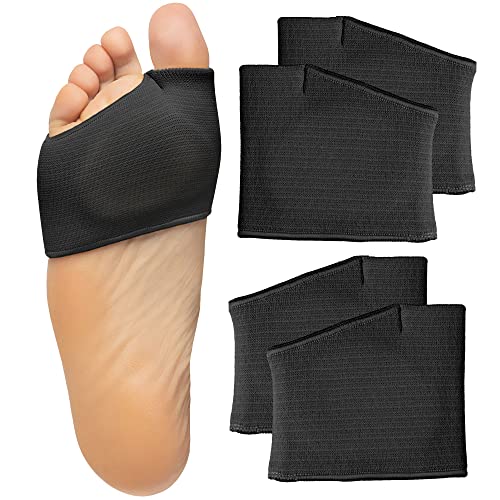
These fabric sleeves with gel inserts provide targeted relief for Morton’s neuroma by reducing pressure on the ball of the foot. They fit snugly inside shoes, distributing weight evenly and easing nerve compression—critical for daily wear in supportive footwear.
For those dealing with persistent discomfort, they’re a simple upgrade over basic cushions. Pair them with firm, low-heeled work shoes to maximize relief without sacrificing stability.
10. Gel Toe Separators & Metatarsal Pads

For Morton’s neuroma, proper footwear is key. The best work shoes should have ample toe space and cushioning to reduce pressure on the ball of the foot. These toe separators and metatarsal pads help distribute weight evenly, easing discomfort during long hours of standing or walking.
These gel inserts provide relief by reducing irritation between toes and softening impact on the metatarsal area. Pairing them with supportive shoes can significantly cut down on pain from neuroma-related swelling and stiffness.
