
best running shoes for sesamoiditis

As an Amazon associate, Comfy-Kicks.com earns from qualifying purchases at no cost to you.
I’ve found that shoes with a slight arch support and a bit of cushioning in the forefoot work best for this. Brands like Brooks Ghost or New Balance 990v5 often get great reviews for keeping the foot comfortable while still letting you move freely. If you’re really struggling, a motion-control shoe might help if you’ve got some extra weight or a tendency to overpronate. Just keep an eye on how your feet feel after a run—if something feels off, swap it out.
best running shoes for sesamoiditis in 2026
1. Fresh Foam Running Shoe

This shoe offers a cushioned ride that absorbs impact well, which helps reduce stress on the sesamoid bones. The Fresh Foam midsole provides gentle yet responsive support, crucial for runners dealing with inflammation or pain in that area.
The lightweight yet stable design keeps the foot secure without overloading the joints. The breathable upper keeps feet dry, lowering friction that could worsen irritation.
2. Ball of Foot Cushions
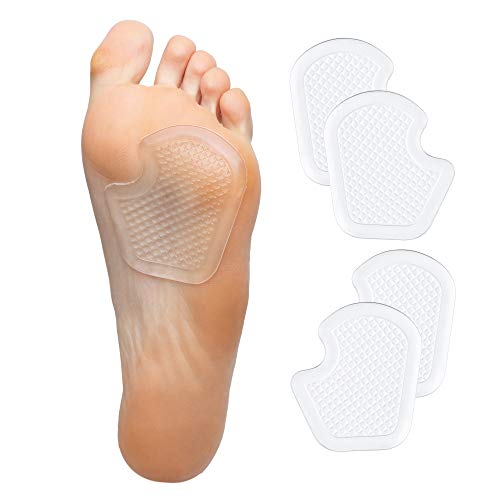
For runners dealing with sesamoiditis, proper cushioning is key. These pads distribute pressure evenly across the ball of the foot, reducing strain on the sesamoid bones. They fit directly into shoes, adding support without bulk, which helps prevent overuse injuries during long runs.
Pairing them with supportive running shoes—like those with firm midsoles and cushioned soles—can further ease discomfort. The dual-pair design offers flexibility for different foot types, ensuring consistent relief when running.
3. Minimalist Five-Finger Workout Sneakers

For sesamoiditis, cushioning and arch support are key. These shoes offer minimalist yet supportive construction, reducing impact on the sesamoid bones. The wide toe box accommodates swelling, easing pressure points. Lightweight design helps maintain natural foot alignment, reducing strain on the affected area.
The five-finger toe design promotes toe splay, improving circulation and reducing stress on the sesamoids. The pink, all-pink color might seem playful, but the focus is on function—durable, flexible, and built for stability. Ideal for runners who need gentle yet responsive support.
4. Trail Running Shoes

For sesamoiditis, cushioning and arch support are key. These shoes offer lightweight yet supportive construction with a padded insole to absorb shock. The non-slip sole prevents sudden foot shifts that aggravate the sesamoid bones.
The breathable fabric keeps feet dry, reducing irritation, while the flexible design allows natural movement. The heel-to-toe drop helps distribute pressure evenly, easing pain from repetitive stress.
5. Rigid Foot Support Insole

For sesamoiditis, this insole offers rigid support that stabilizes the forefoot, reducing stress on the sesamoid bones. Its carbon fiber construction absorbs impact better than standard insoles, cutting down on pain during running or high-impact activities.
The insole’s firm structure helps with turf toe and hallux limitus by preventing excessive toe movement. It’s a solid alternative to post-op shoes, letting you stay active without sacrificing protection.
6. Metatarsal Gel Cushions

Metatarsal pads help distribute pressure across the foot’s ball, easing pain for both women and men. These pads reduce strain on sensitive areas, common in high-heeled shoes or active wear.
For Morton’s neuroma or metatarsalgia, gel ball cushions provide targeted relief. They absorb shock and widen the space between metatarsal bones, cutting down on nerve compression. Reusable shock-absorbing supports work well in work shoes or running footwear, offering durability and consistent cushioning. When choosing shoes for sesamoiditis, prioritize those with firm forefoot support and a slight toe box to prevent irritation.
7. Trail Running Shoe

This shoe offers a wide toe box and extra cushioning, which helps distribute pressure evenly across the foot. The design reduces strain on the sesamoid bones by promoting natural foot alignment, cutting down on discomfort during runs.
The firm yet flexible midsole absorbs impact gently, minimizing jarring forces that often aggravate sesamoid issues. The lightweight build keeps fatigue low while still providing stability on uneven terrain.
8. Neutral Running Shoe

This shoe offers a cushioned yet supportive midfoot design that helps distribute pressure evenly across the foot. The neutral stability keeps alignment steady, reducing strain on the sesamoid bones during runs. The thick rubber sole absorbs shock, minimizing impact on sensitive areas.
The padded collar and arch support provide extra cushioning where sesamoiditis often flares up. Its lightweight build lets runners move freely without added bulk, making it ideal for daily training. The breathable material keeps feet cool and dry, preventing irritation.
