
best shoes for metatarsalgia pain

As an Amazon associate, Comfy-Kicks.com earns from qualifying purchases at no cost to you.
I’ve tested a lot of shoes over the years, and the ones that stand out are those with built-in arch support and a rocker sole that guides your foot naturally. Some people swear by motion-control shoes for extra stability, while others prefer cushioned running shoes with extra depth. If you have flat feet or high arches, you’ll want something with added padding to fill in gaps. Always try before you buy—comfort isn’t just about the brand, but how the shoe fits your specific foot shape and pain patterns. A little extra investment in the right shoes can keep you walking without the constant nagging ache.
best shoes for metatarsalgia pain in 2026
1. Metatarsal Gel Pads

For metatarsalgia, proper arch support and pressure relief are key. These pads fit inside shoes to distribute weight evenly across the ball of the foot. They reduce sharp pain from overuse or structural issues, helping those who walk or stand long hours. Morton’s neuroma often benefits too, as the gel cushioning eases nerve compression.
If your shoes lack cushioning, these pads add targeted relief without bulk. They’re simple to slip in and out, making them practical for daily wear. For consistent pain management, they’re a solid upgrade over barefoot options.
2. Foot Pain Relief Orthotics

For metatarsalgia, proper arch and ball-of-foot support is key. These insoles target pressure points with a specialized metatarsal pad, reducing sharp pain and distributing weight evenly. Made in the USA, they’re durable yet comfortable, ideal for daily wear.
If Morton’s neuroma flares up, these orthotics ease nerve compression. The deep cushioning and firm structure prevent overpronation, keeping feet stable. Pair with supportive shoes for lasting relief.
3. Ball of Foot Gel Pads

For metatarsalgia, proper footwear matters, but so do targeted cushions. These pads add extra arch support and distribute pressure evenly across the ball of the foot, reducing sharp pain from overuse. They’re especially useful for those who stand or walk long hours, as they ease strain on sensitive nerve clusters like Morton’s neuroma.
The gel pad inside helps absorb shock, preventing further irritation. If your shoes lack built-in cushioning, these pads act as a quick fix. They’re lightweight and fit most foot shapes, making them a simple upgrade for daily comfort without needing expensive orthotics.
4. Arch Support Insoles with Metatarsal Pads

If you’re dealing with metatarsalgia or Morton’s neuroma, proper foot support is key. Arch support and metatarsal pads help distribute pressure evenly, reducing sharp pain in the ball of your foot. These insoles provide relief by cushioning sensitive areas and encouraging natural foot alignment.
For those who stand all day, these insoles offer long-term comfort. They’re designed to work with the best shoes by stabilizing the arch and easing strain on the metatarsal region. Consistent use helps prevent flare-ups and improves foot mechanics.
5. Ball of Foot Gel Pads
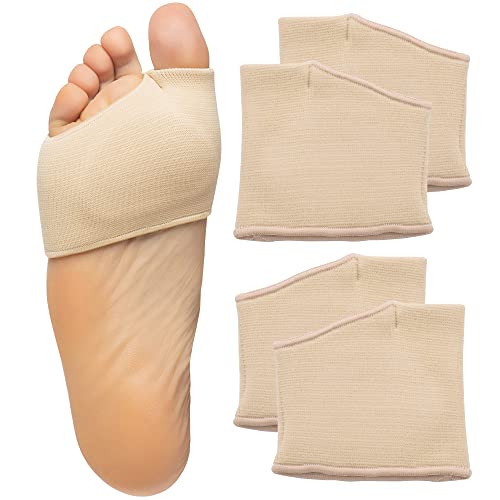
These fabric sleeves with gel inserts help distribute pressure evenly across the ball of the foot, easing pain from metatarsalgia. They’re especially useful when wearing shoes that lack proper arch or ball support, like flats or minimalist designs. The cushioned design reduces strain on sensitive areas, making them a smart addition to any footwear routine. For those who walk or stand often, they’re a simple fix to prevent flare-ups.
6. Metatarsal Foot Pads

If you’re dealing with metatarsalgia or Morton’s neuroma, your shoes should offer extra cushioning where it matters most. Thick, metatarsal pads distribute pressure evenly across the ball of your foot, reducing sharp pain from overuse or poor footwear. They help align your arch naturally, easing strain on sensitive nerve areas.
For long walks or standing jobs, these pads act as a barrier between your foot and the shoe’s hard surface. They’re simple to slip into any supportive shoe, making them a practical upgrade over generic footwear. No fancy tech—just solid relief for daily discomfort.
7. Metatarsal Arch Support Insoles

Designed for runners and active individuals, these insoles provide targeted relief by addressing metatarsalgia with a built-in pad. The orthotic arch support helps distribute pressure evenly, reducing strain on the ball of the foot and easing plantar fasciitis flare-ups.
For those suffering from Morton’s neuroma or persistent ball-of-foot discomfort, the cushioning and shock absorption keep pain at bay. They’re ideal for shoes meant to support metatarsalgia, offering consistent relief during daily wear.
8. Foot Pain Gel Cushions

For metatarsalgia, the right shoes and cushioned inserts can make a big difference. These gel pads target the ball of the foot, absorbing shock and reducing pressure where pain often strikes. They’re designed to ease discomfort from Morton’s neuroma, metatarsalgia, and sesamoiditis by redistributing weight.
Washable and reusable, they fit standard shoe sizes, so they’re practical for daily wear. Pairing them with supportive footwear keeps relief consistent, helping you stay active without flare-ups.
9. Foot Cushion Pads

For metatarsalgia, these cushions provide targeted relief by distributing pressure evenly across the ball of the foot. They reduce strain on sensitive areas, cutting down on sharp pain that often flares up with walking or standing. The non-slip design ensures stability, preventing slips in high heels while maintaining comfort.
The pads also help with Morton’s neuroma by cushioning nerve compression points. Their firm yet flexible construction supports arch alignment, easing discomfort during daily wear. For women who wear high heels, these add extra support without sacrificing style.
10. Metatarsal Gel Pads

For metatarsalgia, the right shoes must distribute weight evenly across the ball of the foot. These gel pads add cushioning directly where pressure builds, reducing sharp pain during walking or standing. They’re especially useful for those with Morton’s neuroma or sesamoiditis, as they prevent overloading sensitive areas.
The large size fits most foot shapes, making them practical for daily wear. When paired with supportive shoes, they cut down on discomfort by absorbing shock and maintaining proper alignment. This combo helps keep pain at bay without needing constant medication.
