
barefoot shoes for bunions

As an Amazon associate, Comfy-Kicks.com earns from qualifying purchases at no cost to you.
Barefoot shoes mimic the natural movement of walking without the extra pressure from stiff soles or narrow toe boxes. They let your toes spread out naturally, reducing the strain on the joint where the bunion sits. Some people swear by them because they say they feel less pain and walk more comfortably. But you’ve got to choose the right ones—no rigid heels or thick padding that could still cause problems. If you’re considering them, try them on first to see if they fit your feet right before you commit.
barefoot shoes for bunions in 2026
1. Barefoot Athletic Shoes

Barefoot shoes like these offer relief for bunions by mimicking natural foot movement. The wide toe box prevents crowding, reducing pressure on swollen joints. Breathable material keeps feet dry, lowering irritation from moisture buildup.
Non-slip soles provide stability during walking, while the flexible design supports arch health. For those with bunions, these shoes help maintain proper alignment without rigid structures.
2. Minimalist Zero-Drop Footwear

Minimalist shoes with a wide toe box can ease bunions by preventing toes from crowding. The zero-drop design reduces heel-to-toe pressure, which helps distribute weight more naturally. Grounded footwear mimics barefoot movement, reducing joint stress on the feet and toes.
For bunions, these shoes offer stability without forcing toes into tight spaces. The flexible material allows toes to spread, reducing friction and pain. Walking in them daily can help realign the foot structure over time.
3. Wide Toe Barefoot Shoes

Barefoot shoes designed for bunions prioritize toe space and natural foot alignment. They reduce pressure on the bunion itself while encouraging proper foot mechanics, easing pain over time. The wide toe box prevents crowding, which can worsen deformities, and the flexible material mimics barefoot movement, strengthening muscles and joints.
For those with bunions, these shoes offer daily relief without sacrificing support. The non-slip sole keeps feet secure during movement, while breathable fabric prevents swelling. They’re ideal for walking, nursing, or light activity—comfortable enough for long hours.
4. Minimalist Barefoot Sneakers

Bunions can be painful, forcing you to avoid shoes that squeeze toes together. Minimalist barefoot-style shoes with a wide toe box and zero drop distribute pressure evenly, reducing irritation. The extra room prevents toes from crowding, easing bunion discomfort over time. Soft, flexible materials also cushion the feet naturally, cutting down on joint stress.
5. Minimalist Cross Trainers
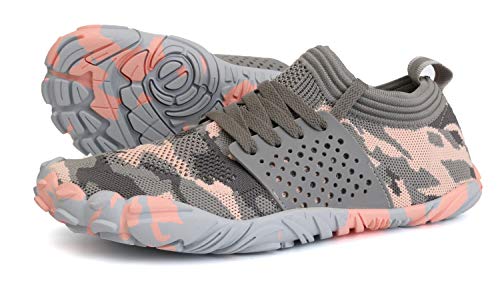
These minimalist cross trainers offer wide toe boxes to reduce pressure on bunions while encouraging natural foot alignment. The flexible, thin sole supports movement without restricting toe spread, easing discomfort during long walks or runs. The lightweight design also helps distribute weight evenly, reducing strain on affected joints. Ideal for those who need relief from tight footwear.
6. Barefoot Trail Running Sneakers

Barefoot-style shoes with wide toe boxes can ease bunions by reducing pressure on the affected joints. The zero-drop design encourages natural foot alignment, which may help alleviate discomfort over time. Lightweight and breathable materials keep feet dry and reduce irritation from friction.
For those with bunions, these shoes mimic barefoot movement, promoting better toe spread and reducing strain on the big toe. Non-slip soles add stability, preventing falls that could worsen pain. Minimalist construction means less bulk, so feet stay free from unnecessary pressure points.
7. Wide Barefoot Diabetic Shoes

Barefoot shoes like these offer relief for bunion pain by mimicking natural foot movement. The zero-drop sole reduces pressure on swollen toes while encouraging proper alignment. Wide toe boxes prevent crowding, easing irritation from bony protrusions.
Adjustable fits accommodate varying foot shapes, and the supportive yet flexible design helps distribute weight evenly. For chronic bunion sufferers, these shoes reduce discomfort during daily wear.
8. Wide Width Diabetic Walking Shoes

Bunions can make walking painful, but these shoes offer relief by mimicking barefoot movement without the strain. The zero-drop design reduces pressure on the ball of the foot, easing joint stress. Adjustable width fits swollen or deformed toes, while breathable material prevents moisture buildup that worsens irritation.
For neuropathy or edema, the supportive yet flexible construction helps distribute weight evenly. The wide toe box prevents pinching, reducing flare-ups. Ideal for daily wear, they balance comfort with stability for those with bunion-related discomfort.
9. Minimalist Trail Running Shoes

Barefoot shoes like these help reduce pressure on bunions by mimicking natural foot movement. The minimalist design supports toes without forcing them into a rigid shape, easing pain from bunions over time. Lightweight and flexible, they allow toes to spread naturally, reducing irritation from tight footwear.
For those with bunions, these shoes provide cushioning that absorbs shock while maintaining breathability. The toe box is wide enough to prevent bunions from being squeezed, promoting better circulation and reducing swelling. Walking and hiking become more comfortable without sacrificing support.
10. Barefoot Fitness Shoes

Barefoot shoes with a zero drop and wide toe box can ease bunion pain by mimicking natural foot movement. These designs reduce pressure on the big toe joint while encouraging proper toe splay, which helps distribute weight evenly. The lightweight, breathable material keeps feet cool and dry, preventing irritation that worsens bunions over time.
For those with bunions, proper footwear is key. Zero-drop shoes align the foot more naturally, reducing strain on the metatarsal heads. A wide toe box prevents crowding, which can cause additional discomfort or deformity. If you’ve tried traditional shoes and still feel pain, these options might offer relief by supporting foot mechanics better.
