
shoes for foot supination

As an Amazon associate, Comfy-Kicks.com earns from qualifying purchases at no cost to you.
If you’re tired of discomfort or injuries, you’ll want shoes that mimic the natural motion of your foot. Look for models with extra cushioning in the midsole to absorb shock, and sturdy support in the heel and arch areas to prevent overpronation. Brands that specialize in stability or motion-control shoes are usually your best bet, but always try them on to make sure they fit well. Your feet will thank you if you invest in the right pair.
shoes for foot supination in 2026
1. Corrective Foot Inserts

For supination, these insoles help redistribute pressure naturally across the foot. They add slight medial arch support to encourage a wider foot strike, reducing strain on the heel and forefoot. The dual-layer design absorbs shock while maintaining flexibility for active movement.
The heel wedges adjust alignment, easing bow legs and knee discomfort by counteracting excessive outward foot rotation. This setup keeps the foot’s natural alignment, preventing overuse injuries common in supinators. Works well in most athletic shoes for consistent support.
2. Corrective Foot Inserts
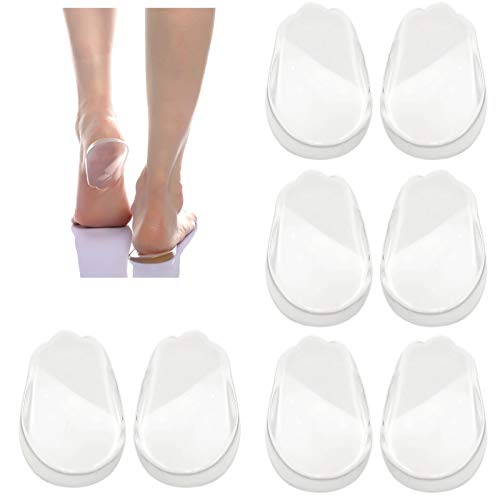
For those with feet that roll outward excessively, specialized insoles with medial heel wedges help realign the arch. These silicone inserts shift weight toward the ball of the foot, reducing strain on the ankle and knee. Lateral wedges offer similar support for feet that lean inward, balancing pressure distribution naturally.
A height-increase pad targets leg alignment issues tied to supination or overpronation. Transparent corrective pads adjust leg angles, improving posture and reducing joint stress over time. Both options are designed to fit standard shoes, offering subtle but effective adjustments for foot mechanics.
3. Orthopedic Arch Support Insole

For those who naturally roll their feet inward during walking or standing, these insoles target supination by redistributing pressure. They provide firm arch support to stabilize the foot, reducing strain on the heel and forefoot. This helps ease pain from plantar fasciitis and prevents overuse injuries by mimicking proper foot alignment.
Designed for all-day wear, these orthotics absorb shock effectively, protecting joints in boots, work shoes, or casual footwear. The deep heel cup and cushioned sole reduce impact, while the built-in correction keeps feet aligned. Flat feet benefit most, but they also suit mild overpronation cases.
4. Foot Alignment Corrective Inserts

For those with feet that roll outward too much, these inserts help realign the arch, reducing strain on the knees and hips. Supination means the foot rolls too far outward, leading to uneven pressure and pain over time. The lateral wedge shifts weight inward, balancing the foot’s natural motion.
These insets also ease bow legs and osteoarthritis by stabilizing the joint alignment. The medial wedge supports the inner arch, while the lateral wedge corrects overpronation’s effects on knees and hips. Three pairs in black make them practical for daily wear.
5. Adjustable Heel Wedge Inserts

These inserts correct misalignment by adding gentle wedge support under the heel. For supinators, who roll their feet inward, they distribute pressure evenly to reduce strain on the arch and lower legs. The three-layer gel design absorbs shock while maintaining flexibility, easing pain from overuse or structural issues. Flat feet benefit too, as the wedge lifts the heel, improving alignment and reducing excessive pronation. Simple to adjust, they fit most supportive shoes, offering long-term relief without surgery.
6. Supination Correction Insoles

These insoles target overpronation by providing firm arch support and a slight outward curve, forcing the foot to roll naturally. They reduce heel pain and strain on the plantar fascia, easing flat feet and bow legs. For those with O/X-type legs, they help correct misalignment without bulky inserts. The design balances pressure, preventing excessive foot strain while improving stability.
7. Adjustable Foot Alignment Inserts

For runners or walkers with a tendency to roll their feet inward, these inserts offer precise medial support. The adjustable heel wedges and layered cushioning help realign the foot’s natural alignment, reducing excessive supination stress on the outer arch. This can ease knee strain and lower back discomfort over time by stabilizing the gait.
Supination sufferers often face uneven pressure points, leading to joint wear. These insole wedges distribute force more evenly, protecting the knees and hips while maintaining foot stability. The firm yet flexible design adapts to foot movement, cutting down on repetitive strain injuries.
8. Supination Corrective Arch Support Inserts

Supination corrective insoles help realign the foot’s natural roll by providing targeted arch support. They reduce excessive outward rotation, easing stress on ankles and knees for those with O/X leg alignment.
For consistent wear, these inserts fit standard shoes and adjust foot mechanics over time. They’re ideal for runners or anyone prone to overpronation-related pain.
9. Foot Alignment Insoles

Supination insoles help those who roll their feet outward too much, reducing stress on the ankles and lower back. They provide extra cushioning and support to keep the arch stable, cutting down on pain over time.
For knee issues or bow legs, medial heel cups offer targeted relief by aligning the foot properly. These insoles also ease osteoarthritis pain by distributing weight more evenly, making walking smoother for women’s medium to wide feet or men’s standard to wide sizes.
10. Corrective Arch Support Inserts

Corrective inserts for supinated feet help realign the arch and reduce excessive outward rolling. They distribute weight properly, easing knee and hip strain, especially in bow legs or knock-knees. For high arches, heel wedges add stability, preventing overpronation while supporting alignment.
These orthotics work for flat feet too, by gently lifting the arch to correct posture. They’re sized for 43-44 and fit into most shoes, offering long-term relief for alignment issues. Men and women benefit equally, balancing foot mechanics naturally.
