
shoes for knock knees

As an Amazon associate, Comfy-Kicks.com earns from qualifying purchases at no cost to you.
For knock knees, I’d recommend shoes with a firm heel counter and a wide toe box to prevent overcrowding. Look for models with a slight inward toe box or a custom orthotic insert to help with alignment. Brands like Vionic, Hokas, or even some orthopedic shoes from companies like Dr. Scholl’s can work well. Avoid flat-soled shoes—they’ll just make the problem worse. If you’re still in pain, consider getting a professional fitting to find the best support for your feet.
shoes for knock knees in 2026
1. Adjustable Foot Alignment Inserts

Knock knees can strain knees and hips, forcing uneven weight distribution. These inserts adjust foot alignment by adding medial support where needed, reducing knee stress. The lateral wedge helps correct bow legs by shifting pressure outward, balancing posture naturally.
For osteoarthritis or chronic knee pain, these insets ease joint strain by improving gait alignment. The layered design supports arches while promoting neutral foot positioning, reducing overpronation’s impact on knees. Simple adjustments fit most shoes, offering long-term relief without surgery.
2. Orthopedic Heel Wedge Inserts

Knock knees can strain knees and feet over time, forcing uneven weight distribution. These insoles add gentle heel wedges to correct alignment, reducing stress on knees and improving posture. The three-layer design supports natural foot mechanics, easing pronation and supination issues that worsen with bow legs. They help distribute pressure evenly, reducing pain and preventing long-term joint strain.
3. Corrective Heel Wedge Insoles
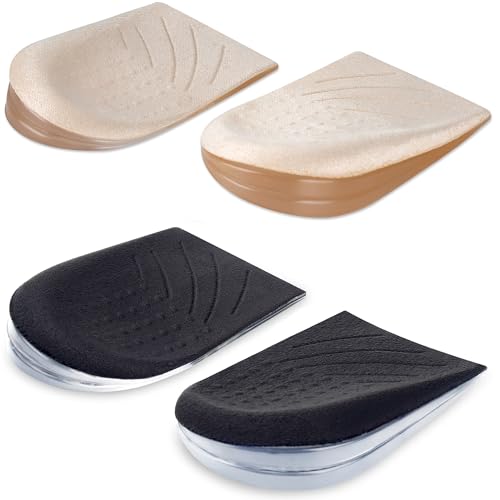
These insoles help realign feet by adding slight heel wedges, reducing the angle of knock knees. The medial wedge shifts weight inward, easing pressure on the knee joint while the lateral wedge supports outward alignment.
For those with bow legs or osteoarthritis, they distribute force evenly, cutting down on pain and strain. Simple adhesive application makes them quick to use in any shoe, offering consistent relief.
4. Corrective Foot Inserts with Heel Wedges
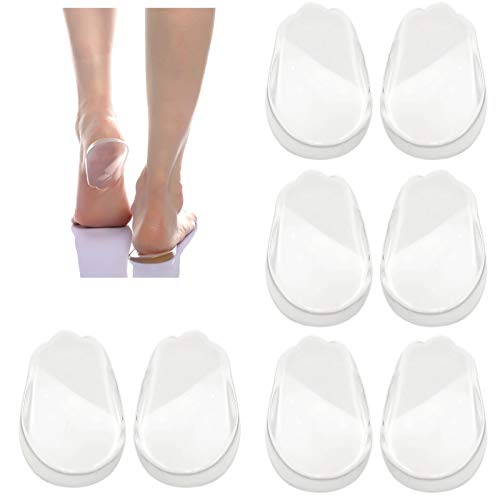
For knock knees, medial heel wedges help realign the foot’s natural arch, reducing strain on knees by shifting weight outward. Lateral wedges offer similar support for those with slight overpronation, easing joint stress. These silicone inserts distribute pressure evenly, cutting down on knee pain over time.
A height-increase pad corrects misalignment by gently lifting the heel, forcing the legs into a straighter position. Transparent O/X corrective pads adjust leg angles by adding subtle pressure, reducing knock-knee strain. Both options work passively, offering long-term relief without surgery.
5. Foot Alignment Inserts

These insoles help realign your feet by gently shifting weight toward the arch, reducing the pull on knees that bow outward. The adjustable wedges on the heel and medial side counteract overpronation, easing strain on the knees and hips. The self-adhesive gel keeps them secure while providing consistent support, making them ideal for daily wear to prevent knee pain from knock knees.
6. Adjustable Foot Alignment Inserts

Knock knees can strain knees and feet over time, but these inserts help realign the lower body. The medial heel wedge supports inward foot rotation, reducing knee stress and improving alignment.
For bow legs, lateral wedges counterbalance the outward angle, easing knee strain and promoting natural foot positioning. The dual-layer design also reduces joint pain, making them useful for osteoarthritis.
7. Heel Wedge Inserts for Foot Correction

These inserts help realign feet that bow outward, easing knee strain by shifting weight toward the arch. The adjustable wedges correct overpronation or supination, reducing stress on knees from knock knees by balancing foot alignment naturally.
The adhesive insoles target medial and lateral heel support, reinforcing proper gait mechanics. For bow legs, they prevent excessive inward rotation, which often worsens knee pain. Works well with standard shoes, offering a simple fix for alignment issues.
8. Corrective Heel Wedge Insoles
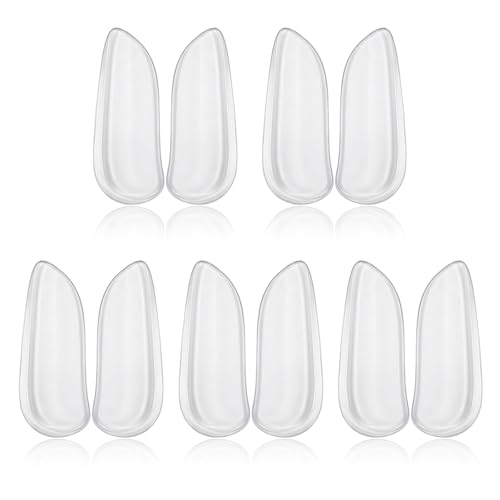
These insoles target the inward lean of knock knees by adding gentle wedges to the heel. They correct alignment, easing pressure on knees and hips over time. The medial wedge helps pull feet outward, reducing strain from misaligned joints. For those with osteoarthritis or bow legs, they provide consistent support without bulky inserts. Simple adhesive application makes them quick to use in any shoe.
9. Pronation Correcting Orthopedic Heel Inserts

These insoles target knock knees by gently shifting weight toward the inner arch, reducing excessive inward knee rotation. The wedge design counteracts the natural outward lean of bow legs, while magnetic reinforcement locks the foot into proper alignment. For O/X type legs, they help balance uneven leg lengths, easing joint stress and improving gait stability. Over time, this reduces knee pain and prevents further misalignment.
10. Knock-Knee Bow Leg Correction Heel Cushion Pads

Knock-knee alignment can cause discomfort and strain over time, but these heel cups help realign the legs by gently shifting weight distribution. They fit inside shoes to reduce pressure on knees and hips, easing pain from overpronation.
Worn in pairs, they provide consistent support for both legs, improving posture and reducing long-term wear on joints. Simple yet effective, they’re ideal for anyone dealing with mild to moderate knock-knee issues.
