
running shoes for injury prevention

As an Amazon associate, Comfy-Kicks.com earns from qualifying purchases at no cost to you.
A good pair of running shoes should match your gait, foot shape, and the type of running you do—whether it’s road running, trail running, or speed workouts. Many people wear shoes that are worn out or don’t fit their needs, which can lead to imbalances and injuries. Look for shoes with enough cushioning in the midsole and good arch support if you need it. Also, replace your shoes every 300 to 500 miles, even if they look fine, because the padding breaks down over time. Small changes in your shoes can make a big difference in how your body handles the impact of running.
running shoes for injury prevention in 2026
1. Running Insole Inserts
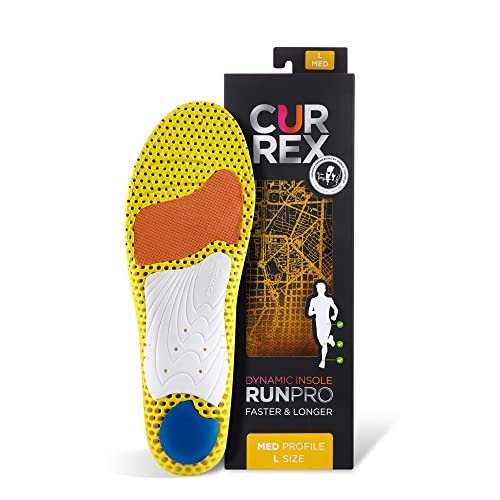
These insoles target the root of fatigue by cradling your arches properly, cutting down on stress on knees and ankles. They distribute weight evenly, so your joints don’t overwork during long runs. For those with medium arches, they lock in support without squeezing, reducing the risk of overpronation injuries like shin splints or plantar fasciitis. Even small shifts in form help—better alignment means fewer aches later.
2. Injury-Free Running Guide

Injury-Free Running helps runners understand how proper footwear fits into injury prevention. The guide breaks down how shoe design affects gait and reduces stress on joints. Good shoes align your stride, easing pressure on knees, ankles, and hips.
The book’s biomechanics section shows how cushioning and support choices matter. It teaches how to pick shoes based on your running style to avoid overuse injuries. Clear illustrations make it easy to spot flaws in your form and shoe fit.
3. Plantar Fasciitis Sport Inserts

High arches can make running shoes feel unstable, leading to fatigue and potential injuries. These inserts provide targeted arch support, distributing pressure evenly to ease strain on feet and lower legs. For athletes, they help prevent common overuse injuries by stabilizing movement and improving stride efficiency. The added cushioning boosts explosiveness, letting runners perform better without discomfort.
4. Men’s Running Shoes
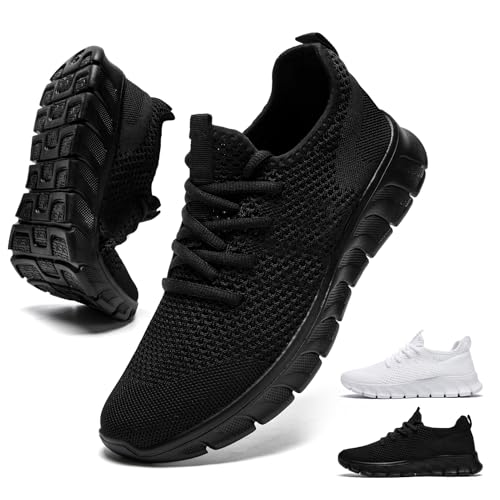
These shoes prioritize cushioning and support to reduce stress on joints. Lightweight yet durable, they absorb impact well, lowering the risk of shin splints and knee strain during long runs or walks. The slip-on design keeps feet secure without bulk, while breathable materials prevent overheating. Good arch support helps maintain proper alignment, cutting down on overuse injuries.
5. Running Arch Support Inserts

Arch support in running shoes isn’t just a nice-to-have—it’s a game-changer for keeping you on your feet longer without pain. These inserts cut fatigue by distributing pressure evenly, so your feet don’t overwork during long runs. Proper arch support also locks in your foot’s natural shape, reducing strain on joints and tendons that often lead to injuries like plantar fasciitis or shin splints. Extra shock absorption means every stride feels smoother, lessening the jarring impact on knees and ankles. If you’ve ever woken up with heel pain or felt like your runs were draining you, these insoles help you run straighter, recover faster, and stay injury-free.
6. Lightweight Running Slip-On Shoes

Lightweight design reduces strain on joints, lowering risk of overuse injuries like shin splints or plantar fasciitis. Breathable material keeps feet dry, preventing blisters and fungal issues that can worsen stress on tendons and ligaments.
Non-slip soles offer stability during uneven terrain, cutting down on ankle sprains and falls. The slip-on style makes them practical for quick transitions between workouts, keeping you moving safely without breaking stride.
7. Running Arch Support Inserts

Low arches can make feet roll inward, stressing ankles and knees. Insoles with moderate support help distribute weight evenly, reducing strain on joints. They cushion impact while encouraging proper foot alignment, cutting down on overpronation-related injuries like shin splints or plantar fasciitis.
For those with low arches, these inserts act like a gentle brace, keeping feet stable during runs. They’re especially useful for long-distance runners or those who overcompensate with tight calf muscles. Small, well-fitted options ensure comfort without bulk, making them practical for daily wear.
8. Running Arch Support Insoles

These insoles target the root causes of common running injuries by offering targeted arch support and shock absorption. For plantar fasciitis, the carbon fiber inserts ease heel and arch pain, while deep cushioning reduces repetitive stress on joints. They help prevent fatigue by distributing impact evenly, cutting down on overuse injuries like shin splints or knee strain. Athletes notice better endurance and faster recovery, making them a smart upgrade for consistent runners.
9. Carbon Fiber Arch Support Insole

High arches and rigid foot structure demand extra support to prevent common running injuries. These insoles offer reinforced carbon fiber for shock absorption and energy return, keeping your stride smooth without strain.
Ideal for racquet sports and high-impact activities, they lock in arch height while reducing stress on knees and ankles. Non-cleated design fits standard shoes, making them versatile for athletes who need both durability and injury protection.
10. Sport Shock Absorbing Insoles

These insoles are designed to reduce impact on joints during running, cutting down on stress that often leads to overuse injuries like shin splints or plantar fasciitis. The shock-absorbing material distributes force evenly, keeping your feet stable without sacrificing natural movement. Neutral arch support ensures they fit most sneakers well, whether you’re training or playing basketball. They’re a simple, cost-effective way to protect your knees and ankles over time.
