
good shoes for physical therapists

As an Amazon associate, Comfy-Kicks.com earns from qualifying purchases at no cost to you.
Since PTs handle a variety of treatments, including manual therapy and mobility work, you’ll want shoes that offer stability without restricting movement. Mesh or breathable materials help keep feet cool in warm rooms, while slip-resistant soles are safer if you’re working near wet floors. Brands like Brooks, Hoka, or Asics often provide reliable options with extra support, but don’t overlook mid-range choices if you prefer lighter weight. Always try shoes on and walk in them to ensure they fit well—no one wants to be sore at the end of a long day.
good shoes for physical therapists in 2026
1. Wide Diabetic Walking Shoes

Physical therapists need footwear that supports mobility and comfort for patients with neuropathy or edema. These shoes offer adjustable width for proper fit, reducing pressure points. Zero-drop design aids in natural gait alignment, easing strain on joints. The material likely breathes well, preventing swelling and irritation. For nurses and walkers, they’re practical for daily use, balancing function and durability.
2. Slip-On Comfortable Walking Sneakers
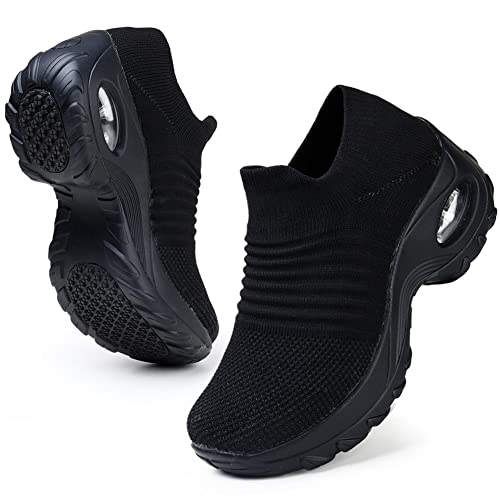
Physical therapists need footwear that supports movement without compromising safety. These shoes offer slip-resistant soles for stability on wet or uneven surfaces, critical for clinics and patient areas. The slip-on design saves time during transfers, while the platform adds slight arch support for fatigue relief during long sessions. The all-black style blends with professional settings, and the lightweight material keeps feet comfortable all day.
3. Orthopedic Comfort Sneakers

Physical therapists rely on supportive footwear that eases pain and prevents injury. These shoes offer deep cushioning for plantar fasciitis relief, reducing strain on feet during therapy sessions. The breathable design keeps feet dry, ideal for long workdays. Non-slip soles ensure stability, crucial for patient safety. Lightweight stretch fabric adapts to foot movement, maintaining comfort for extended use.
4. Diabetic Orthopedic Walking Shoes

Physical therapists rely on supportive footwear to help patients maintain mobility and reduce discomfort. These shoes provide adjustable closures, ensuring a snug fit for swollen or irregular feet. The arch support and cushioning help distribute pressure evenly, easing joint stress during recovery.
For those with diabetic conditions or post-injury recovery, these slip-on sneakers offer therapeutic benefits. The orthopedic design reduces strain while walking, making them ideal for daily use in therapy settings.
5. Comfortable Orthotic Nurse Shoes

Physical therapists need footwear that supports long hours of movement without strain. These shoes prioritize cushioning to absorb impact, reducing fatigue from repetitive motions. Non-slip soles prevent falls during patient transfers, while adjustable straps ensure a secure fit for all body types. Breathable materials keep feet dry and comfortable in busy clinics. Orthotic support helps correct alignment issues, easing pain for those with arthritis or diabetes-related discomfort. Lightweight design means less strain on joints during extended wear.
6. Non-Slip Orthopedic Work Shoes

Physical therapists need footwear that supports mobility and reduces strain during long hours of movement. These shoes offer slip-resistant soles for stability on wet or uneven surfaces, critical for clinics and patient areas. The orthopedic design provides arch support and cushioning, easing fatigue from repetitive tasks. Breathable materials keep feet cool, while slip-on convenience saves time during busy sessions.
7. Physical Therapy Sweatshirt

A good pair of shoes keeps your feet stable during long sessions. Look for cushioned soles and arch support to ease fatigue. Proper footwear prevents injuries and keeps you moving efficiently.
For physical therapy, prioritize breathable materials and durable construction. A supportive fit helps maintain posture and reduces strain. Comfort is key—choose shoes that adapt to your movements all day.
8. Gel Volleyball Shoes

These shoes offer solid cushioning for all-day comfort during mobility assessments. The gel inserts absorb impact well, reducing fatigue during repetitive movements.
The lightweight design helps with quick transitions, which is key for precise evaluations. The durable outsole grips surfaces reliably, ensuring stability during testing.
9. Diabetic Orthopedic Walking Shoes
Physical therapists need reliable footwear that supports patient mobility without compromising comfort or function. These shoes provide adjustable closures for a secure fit, critical for patients with swollen feet or limited dexterity. The arch support and cushioning reduce strain on joints, easing pain during therapy sessions. Slip-on design simplifies daily use, while orthopedic features ensure stability for active recovery. Ideal for those needing durable, therapeutic footwear.
10. Plantar Fasciitis Relief Guide

Physical therapists know good shoes aren’t just about comfort—they’re a foundation for healing. Been There, Done That: A Step-By-Step Guide to Cure Plantar Fasciitis by a licensed PT who’s treated himself and countless patients cuts through the noise. It focuses on proper arch support, cushioning, and motion control tailored to daily wear, not just temporary fixes.
The guide breaks down how to pick shoes that reduce strain on the plantar fascia, whether you’re at work or on the move. Since PTs rely on consistent support, this method saves time and avoids re-injury. It’s practical, science-backed, and avoids overcomplicating what matters most.
