
good training shoes for flat feet

As an Amazon associate, Comfy-Kicks.com earns from qualifying purchases at no cost to you.
Stability is key, so avoid overly flexible or thin-soled shoes. Look for firm midsoles and reinforced heel counters to keep your feet in place. Brands like New Balance and Vionic also have solid options with built-in support. If you’re unsure, try a few pairs on to see which feel most comfortable during walks or light activity.
good training shoes for flat feet in 2026
1. Minimalist Barefoot Cross-Trainer Shoes

For flat feet, proper arch support is key, but too much cushioning can disrupt natural movement. These shoes offer minimalist design with a zero-drop sole, encouraging foot alignment similar to barefoot running. The wide toe box prevents overcrowding, reducing strain on the arch and promoting natural foot mechanics.
Lightweight and slip-on, they’re ideal for daily wear without fatigue. The flexible sole adapts to foot shape, easing pressure on flat arches while still providing grip for active use. No bulky padding means less interference with movement, making them practical for training and outdoor activities.
2. Minimalist Barefoot Trail Shoes
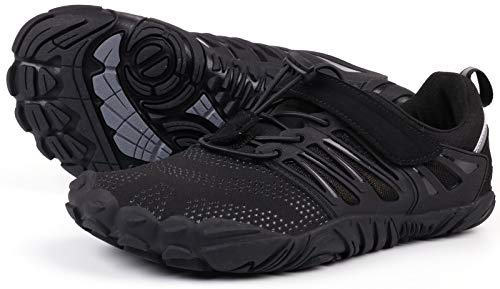
For flat feet, proper support is key to preventing overpronation and joint strain. These shoes offer a cushioned yet flexible design that encourages natural foot movement while distributing weight evenly. The minimalist build reduces unnecessary pressure on arches, letting your feet adapt to the terrain without forcing them into rigid structures.
The wide toe box accommodates flat feet comfortably, while the lightweight tread enhances stability on varied surfaces. Cross-training versatility means they work well for treadmill sessions and outdoor trails, keeping your training efficient and injury-free.
3. Minimalist Walking Sneakers

For flat feet, proper support is key to preventing overpronation and joint strain. These shoes offer a zero-drop design, letting your foot strike naturally while maintaining arch support. Thin soles encourage a grounded, active foot position, reducing stress on the feet and lower legs during intense workouts.
The lightweight, slip-on style makes them practical for daily training without adding bulk. The minimalist build supports proper foot mechanics, helping flat feet adapt to movement efficiently. They’re ideal for tennis, cross-training, and casual walks where stability matters.
4. Minimalist Zero-Drop Footwear

Flat feet need support that mimics natural foot movement. Minimalist shoes with a zero drop let your foot roll naturally, reducing strain on arches. The wide toe box prevents overcrowding, easing pressure points. Zero-drop designs keep your heel and forefoot aligned, improving balance and reducing knee stress. These shoes help maintain proper gait mechanics for flat feet.
5. Wide Toe Minimalist Sneakers

For flat feet, proper arch support is key, and these shoes deliver. The wide toe box and minimalist design allow natural toe spread, reducing overpronation. Zero drop alignment helps maintain foot mechanics, easing strain on arches and knees.
The flexible, breathable material keeps feet dry during long sessions. The supportive yet lightweight build makes them ideal for walking, running, or gym workouts. Flat feet need stability, and these shoes provide it without sacrificing comfort.
6. Weightlifting Shoes
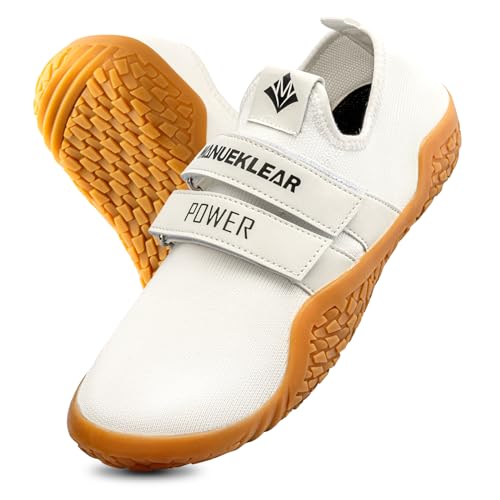
Flat feet need support that stabilizes the arch and reduces strain on the joints. These shoes provide a firm, flat platform to prevent overpronation, keeping the foot aligned properly during lifts. The cushioning absorbs impact, protecting knees and ankles while maintaining grip for heavy movements.
7. Wide Toe Box Road Running Shoes

For flat feet, support is key, and these shoes deliver with a wide toe box that prevents overcrowding. The zero-drop design keeps your foot flat on the ground, reducing strain on arches and promoting natural alignment during runs or walks.
The slip-resistant sole and cushioned ride help absorb impact, making them reliable for training. The extra width ensures toes don’t pinch, while the sturdy build stays steady on uneven terrain.
8. Training Shoes

These shoes offer solid support for flat feet with their cushioned midsole, which absorbs impact well. The reinforced outsole provides grip and stability, reducing strain on arches during workouts. The padded collar keeps feet secure, while the breathable upper keeps them dry. Perfect for cross-training, they balance durability and comfort.
9. Breathable Casual Athletic Shoes

For flat feet, support is key, and these shoes deliver with a cushioned midsole that absorbs impact. The arch support keeps your foot stable during long workouts, reducing strain on your joints. The breathable mesh upper wicks moisture away, preventing discomfort from sweat buildup.
The non-slip sole grips surfaces well, whether you’re lifting weights or walking on uneven gym floors. The lightweight design moves with you without weighing you down, making them ideal for daily training. The neutral fit ensures they adapt to your foot shape without extra bulk.
10. Wide Toe Minimalist Walking Shoes

For flat feet, proper support is key. These shoes mimic natural foot movement with a wide toe box and zero drop, reducing strain on arches. Lightweight design helps maintain balance during dynamic activities like running or lifting.
The zero-drop sole encourages proper foot alignment, easing pressure on flat arches. The minimalist build supports stability without restricting motion—ideal for athletes needing both comfort and performance.
