
hiking shoes for neuropathy

As an Amazon associate, Comfy-Kicks.com earns from qualifying purchases at no cost to you.
I’ve seen too many people suffer because their shoes didn’t fit their needs. Lightweight, breathable materials help keep feet dry and cool, which is key if you’re dealing with nerve issues. Make sure the toe box isn’t too tight—you need room to wiggle and avoid irritation. A little extra padding in the heel can also help with stability, so you don’t feel like every step is a jolt. Trust me, a little extra care now means fewer aches later.
hiking shoes for neuropathy in 2026
1. Barefoot Hiking Shoes

For neuropathy, these shoes prioritize airflow and grip to ease foot discomfort. The wide toe box reduces pressure, while breathable materials prevent overheating. Non-slip soles keep feet steady on uneven terrain, crucial for balance issues.
The lightweight design supports circulation, reducing fatigue. The water-resistant yet breathable construction keeps feet dry and comfortable in wet conditions. Perfect for those needing both protection and relief from nerve-related pain.
2. Minimalist Workout Shoes

Hiking with neuropathy requires sensitive footwear that reduces pressure and improves circulation. These shoes offer a wide toe box, letting toes spread naturally, which relieves pinched nerves. The zero-drop design keeps feet aligned with the body, easing strain on sensitive soles.
The minimalist build also promotes better foot strength and balance, critical for long hikes. The water-resistant material keeps feet dry, preventing infections. For those with neuropathy, this combination reduces discomfort and fatigue.
3. Wide Toe Box Hiking Shoes
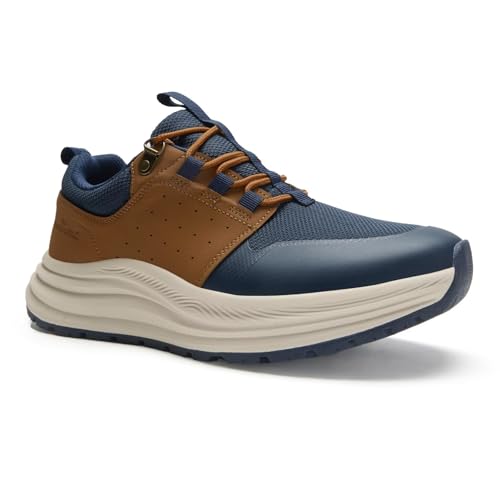
These shoes prioritize relief for neuropathy by offering a wide toe box, easing pressure on sensitive feet. The supportive design reduces foot strain, while orthotic inserts help distribute weight evenly. Lightweight yet durable, they’re built for long treks without aggravating nerve discomfort. The high instep adds stability, and breathable materials keep feet dry. Ideal for those needing comfort over rough terrain.
4. Wide Toe Box Trail Running Shoes

These shoes offer wide toe boxes, which help reduce pressure points for neuropathy sufferers. The cushioning supports sensitive feet during long hikes, easing discomfort. The lightweight design keeps feet cool while maintaining stability on uneven terrain. The flexible sole adapts to natural foot movement, reducing strain.
5. Neuropathy Footwear
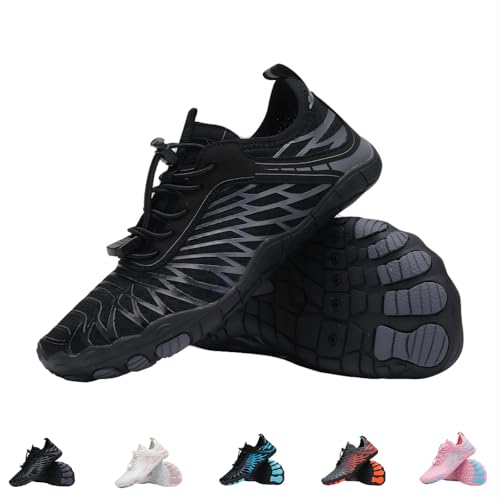
Designed for those with neuropathy, these shoes mimic natural foot movement while protecting sensitive areas. The lightweight, minimalist build reduces pressure points, easing discomfort during long hikes.
Cushioned yet breathable, they support circulation without restricting motion. Ideal for active wearers, they prevent foot fatigue and reduce nerve-related pain.
6. Barefoot Water Shoes

These shoes prioritize sensitive feet by offering a wide toe box, reducing pressure points that can worsen nerve discomfort. The breathable material helps regulate foot temperature, preventing sweaty, irritated skin that often flares neuropathy symptoms. Anti-slip soles provide stability without the rigid structure of traditional hiking boots, letting toes move freely while protecting against uneven terrain.
7. Outdoor Hiking Shoes

For neuropathy, sensitive feet need protection from uneven terrain and moisture. These shoes offer a grippy outsole that prevents slips on rocks or wet trails, reducing strain on weakened nerves. The water-resistant material keeps feet dry, cutting irritation from damp conditions.
Cushioning absorbs shock, easing foot fatigue during long walks. The low-top design allows for natural movement while shielding toes from debris. Slate gray fits well with outdoor gear, making them practical for daily hikes.
8. Barefoot Water Shoes

Hiking with neuropathy requires sensitive footwear that protects delicate nerves while allowing natural movement. These shoes prioritize wide toe boxes to prevent compression, easing pressure points that often flare up. The non-slip sole provides grip on uneven terrain without straining circulation, a key factor for those with nerve-related balance issues.
The breathable design keeps feet dry and cool, reducing swelling and irritation from moisture. Lightweight yet supportive, they offer stability without bulk, making them ideal for long trails where foot health matters most.
9. Ergonomic Minimalist Trail Boots

For neuropathy, these shoes prioritize gentle movement and reduced pressure on sensitive feet. The zero-drop design keeps your foot aligned naturally, easing strain on nerves while walking or hiking. Arch support distributes weight evenly, reducing discomfort from uneven terrain.
The wide toe box accommodates swelling and improves circulation, which is critical for nerve health. Non-slip soles prevent falls, and the lightweight, breathable material keeps feet dry and comfortable. Ideal for those needing stability without restrictive footwear.
10. Wide-Toe Minimalist Athletic Shoes
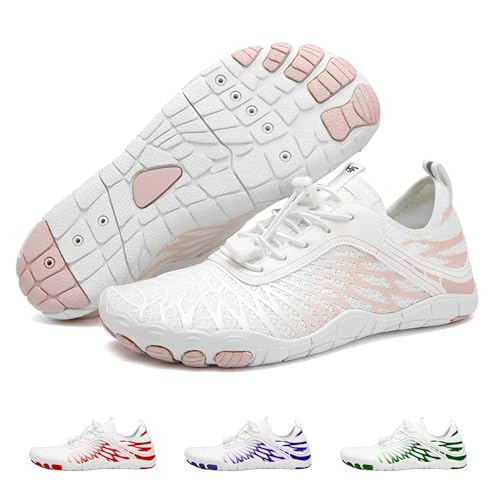
For neuropathy, sensitive feet need protection that mimics natural movement while preventing pressure points. The wide-toe box design spreads weight evenly, reducing irritation from tight fits. Breathable materials keep feet cool and dry, lowering risk of blisters or fungal issues common in damp conditions.
Non-slip soles provide grip on uneven terrain, crucial for stability when nerves are compromised. Minimalist construction supports natural foot alignment, easing strain on weakened muscles. Ideal for daily wear, these shoes balance comfort with durability for active lifestyles.
