
best shoes for torn meniscus

As an Amazon associate, Comfy-Kicks.com earns from qualifying purchases at no cost to you.
Stability isn’t the only thing to watch for. Make sure the shoes fit well—no loose straps or heels that wobble. If you’re walking or standing for long periods, opt for something with a slight heel lift to reduce pressure. Lightweight materials help too, so you don’t feel weighed down. Some people swear by running shoes with extra arch support, but if you’re not running, a sturdy walking shoe with a firm midsole can work just as well. Just avoid anything too narrow or too wide—your feet need room to move without straining your knee.
best shoes for torn meniscus in 2026
1. Supportive Running & Walking Shoe

This shoe offers solid arch support and cushioning to ease meniscus stress during movement. The responsive foam absorbs impact, reducing strain on damaged knee cartilage. Lightweight yet supportive, it helps maintain alignment while walking or light running.
The structured design supports joint stability, which is critical for recovery after a meniscus tear. The padded collar prevents swelling, and the flexible sole adapts to uneven surfaces. For those needing gentle, supportive footwear, this model balances comfort and durability well.
2. Women’s Mary Jane Flats

For a torn meniscus, cushioning and stability matter most. The Mary Jane flat offers a soft, supportive base with thick, resilient nubuck that absorbs impact gently. The arch support keeps your foot aligned, reducing strain on the knee joint while walking or standing.
The lightweight design moves with you, preventing fatigue that worsens pain. The smooth sole provides traction without jarring, making it ideal for daily movement without aggravating the injury.
3. Comfortable Orthotic Walking Shoes

For a torn meniscus, support and stability are key. These shoes offer padded arch and heel buffers to reduce joint stress during movement. The non-slip sole prevents falls, which is critical for knee protection. Lightweight design means less fatigue, letting you walk longer without pain.
Breathable materials keep feet dry, lowering swelling. Adjustable fit ensures a snug, secure fit for all-day wear. The orthotic support helps realign the knee joint, easing meniscus strain. Choose these for relief and mobility.
4. Adjustable Post-Op Knee Support Immobilizer
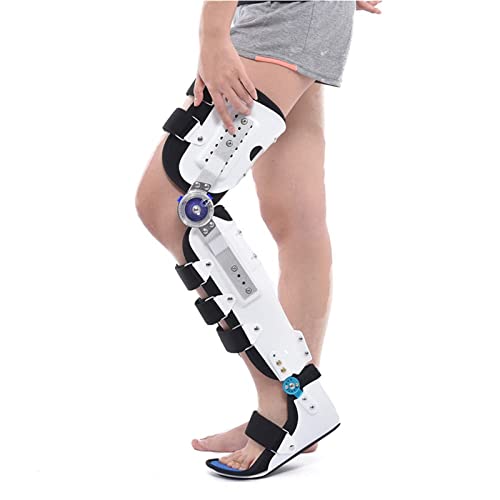
For a torn meniscus, proper footwear is critical. Opt for low-heeled, stable shoes with good arch support and cushioning to reduce knee strain. Avoid flat or overly rigid soles, as they can worsen instability during movement.
The TXGJWRA brace offers knee stability, but shoes should still prioritize shock absorption. Choose firm yet flexible footwear to align your gait and limit joint stress. Both are essential for recovery.
5. ACL Meniscus PCL Knee Brace

When recovering from a meniscus tear, supportive footwear is key. Opt for shoes with thick, cushioned soles and a wide toe box to reduce strain on the knee. Stability-focused designs help align the leg properly, easing pressure during weight-bearing.
A knee brace like this one can complement your recovery by stabilizing the joint. Pair it with shoes that offer arch support and shock absorption—like those with reinforced heel counters—to protect your knee while walking or standing. Proper footwear reduces unnecessary stress, letting the brace do its job.
6. Adjustable Post-Op Knee Support

For a torn meniscus, supportive footwear is key. Opt for shoes with thick, cushioned soles and a wide toe box to reduce knee strain. Stability-focused designs, like those with firm heel counters, help align the leg properly during movement.
A knee brace like this one complements proper footwear by limiting excessive knee flexion. Look for shoes with arch support and motion control to ease recovery. Both choices reduce stress on the injured meniscus while promoting healing.
7. ACL Meniscus Recovery Knee Brace
For torn meniscus, supportive footwear is critical. Opt for cushioned, low-heeled shoes with firm arch support to reduce stress on the knee. Stability-focused designs help distribute weight evenly, easing joint strain during recovery.
The brace’s angle adjustment ensures proper alignment. Pair it with shoes that mimic this support—wide bases and reinforced soles prevent misalignment. Proper footwear minimizes secondary damage while the brace stabilizes the knee.
8. Knee Immobilizer Brace
When recovering from a torn meniscus, supportive footwear is key. Opt for shoes with deep cushioning and arch support to reduce knee strain. Stability and shock absorption help protect the injured joint during movement.
The brace helps stabilize the knee, while proper footwear minimizes impact. Both reduce pain and speed recovery. Choose shoes with firm heel counters and wide bases for better alignment.
