
best walking shoes for hammer toes

As an Amazon associate, Comfy-Kicks.com earns from qualifying purchases at no cost to you.
When picking out walking shoes for hammer toes, prioritize materials that breathe well and cushion your steps. Brands like Brooks or Hoka focus on comfort and durability, making them great choices. Make sure the heel fits snugly but doesn’t squeeze your toes—elastic laces help with that. Avoid stiff soles that don’t absorb shock, as they’ll just add to the discomfort. If you’re still in pain, consider orthotics or getting fitted for custom inserts. Small changes can make a big difference in your daily comfort.
best walking shoes for hammer toes in 2026
1. Comfortable Orthopedic Sneakers

For hammer toes, these shoes prioritize relief by offering a wide toe box, preventing cramping and irritation. The arch support reduces strain on the foot, easing pain from overuse or deformities. Breathable material keeps feet dry and cool, which is key for those with neuropathy or diabetic conditions.
Outdoor-friendly design means durability for daily wear, while padded insoles cushion pressure points. The flexible construction adapts to foot movement, reducing joint stress. Ideal for walking, they balance support and comfort for long-term use.
2. Wide Width Arch Support Shoes

For hammer toes, a shoe with a wide toe box is essential to prevent pain and discomfort. These shoes offer extra room, allowing toes to spread naturally without crowding. The arch support reduces strain on joints, easing pressure points that often flare up with hammer toes.
The non-slip sole keeps feet stable during daily walks, while the lightweight design makes them comfortable for long hours. Diabetic-friendly features ensure safety and protection, making them ideal for those needing gentle, supportive footwear.
3. Medical Walking Shoe for Foot Recovery

This shoe offers essential support for hammertoes by maintaining proper toe alignment during recovery. Its lightweight design reduces strain while allowing natural movement, which is key for healing without added pressure.
The closed-toe design protects toes from further injury, and the medical-grade material ensures comfort for extended wear. Ideal for post-surgery or stress fracture recovery, it fits snugly for stability without restricting circulation.
4. Orthopedic Walking Shoes

For hammer toes, proper toe box width and arch support are critical. These shoes offer an extra-wide toe box to prevent toe crowding and discomfort, while lightweight design eases daily wear. The plantar fasciitis support reduces heel pain, and the high arch fit accommodates neuropathy without strain.
Neuropathy sufferers benefit from cushioned soles and breathable materials to avoid irritation. The dark blue color keeps them stylish while ensuring durability. Ideal for active walking, these shoes balance comfort and function for persistent toe issues.
5. Wide Toe Barefoot Shoe

For hammer toes, flexible, wide-toe designs help distribute pressure evenly. These shoes offer extra space in the forefoot, reducing strain on bent toes. The arch support and lightweight build ease joint stress while walking.
Breathable materials prevent swelling, and the non-slip sole keeps feet stable. The design mimics barefoot comfort, reducing pain from rigid shoes. Ideal for daily wear, they’re also practical for nurses or active lifestyles.
6. Wide-Foot Orthopedic Walking Shoes
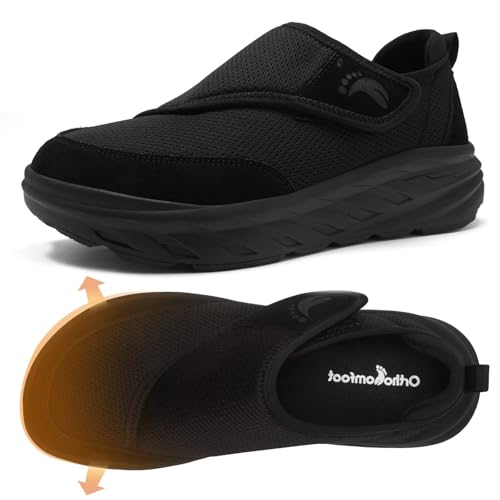
For hammer toes, these shoes offer a secure fit with a wide toe box to prevent irritation. The hook-and-loop closure ensures a snug yet adjustable grip, reducing friction that worsens toe deformities. Arch support and plantar fasciitis relief help distribute weight evenly, easing joint strain.
The slip-on design simplifies daily wear, while overpronation control keeps alignment stable. Diabetic-friendly materials prevent blisters, and the high instep accommodates swollen toes. Black or white options blend with any wardrobe while prioritizing comfort.
7. Medical Walking Shoe for Foot Recovery
For hammertoe recovery, this shoe offers rigid support without bulk. The closed-toe design protects toes while allowing light movement, easing post-surgery swelling. Lightweight material reduces strain on healing joints, letting you walk comfortably.
The metatarsal brace keeps alignment stable, reducing pain from stress fractures or bunions. The adjustable fit ensures a snug, pain-free fit for men or women. It’s a practical choice for daily use during recovery.
8. Gel Toe Separators

Hammer toes force toes to bend unnaturally, causing pain and irritation. Shoes with toe spacers and metatarsal pads relieve pressure by spreading toes apart, reducing friction. Breathable ball cushions add extra support to the ball of the foot, easing strain from Morton’s neuroma or plantar fasciitis.
For blisters and diabetic feet, gel toe separators prevent rubbing, while relief shoes with arch support combat hammer toes and bunions. These features keep feet comfortable during long walks, preventing further deformity or injury.
9. Silicone Toe Protectors

For those with hammer toes, proper footwear is key to preventing pain and irritation. These silicone toe caps provide a firm cushion that absorbs pressure, reducing blisters and calluses while walking or running. They fit over existing shoes, offering extra support without needing new footwear.
The multi-size caps adapt well to various toe shapes, making them practical for daily use. They help distribute weight evenly, easing discomfort from hammer toes and preventing further deformity. A simple solution for anyone needing extra toe protection in their walking shoes.
10. Hammer Toe Corrector Splints

If you’re dealing with hammer toes, supportive walking shoes are key, but proper alignment starts with correction. The CEYOME toe splints gently realign crooked toes while you walk, reducing pain and preventing further deformity. They’re lightweight, adjustable, and designed for daily use—whether you’re running or just standing.
For best results, pair these splints with shoes that offer ample toe space and arch support. Avoid narrow or rigid footwear, as it worsens toe strain. The splints help maintain proper alignment, so your shoes can work better without extra pressure. Consistency is crucial.
