
can you use running shoes for tennis

As an Amazon associate, Comfy-Kicks.com earns from qualifying purchases at no cost to you.
Tennis shoes are designed with thicker soles for cushioning and traction, and they flex differently than running shoes. The court’s bounce and the ball’s impact require more flexibility and ankle support. Wearing running shoes for tennis means you risk slipping, straining your joints, or getting blisters from the wrong fit. If you’re serious about the game, invest in proper tennis shoes—your body will thank you.
can you use running shoes for tennis in 2026
1. Comfortable Walking Shoes

Running shoes aren’t ideal for tennis due to their rigid structure and lack of lateral support. Tennis demands quick cuts, jumps, and side-to-side movement, which can strain shoes built for endurance runs. The lightweight, cushioned design of walking shoes like these offers better flexibility and breathability for court play. They’ll keep your feet stable without overheating, making them a practical alternative for casual tennis.
2. Walking Shoes

Running shoes are built for speed and impact absorption, but they lack the lateral support tennis demands. Their lightweight design helps with agility, but the cushioning may not match the court’s uneven surfaces. For tennis, you’d need shoes with better grip and stability for quick lateral movements. Running shoes often lack the structured arch support and firm sole needed to prevent ankle rolls. If you play tennis, proper footwear is critical—running shoes might work in a pinch, but they won’t fully meet the sport’s demands.
3. Slip-On Walking Shoes

Running shoes aren’t ideal for tennis due to their focus on cushioning and stride. Tennis demands quick lateral movements, which require more stable, supportive footwear with reinforced sides. These slip-on sneakers offer lightweight design and breathable material, but they lack the structured ankle support and firm grip needed for aggressive side-to-side play. If comfort and ease are priorities over performance, they might suffice, but for serious tennis, proper court shoes are essential.
4. Women’s Lightweight Casual Sneakers

Running shoes aren’t ideal for tennis due to their focus on cushioning and stability for long-distance impact. Tennis demands quick lateral movements and sudden direction changes, which require more responsive, lightweight support. Monochrome slip-on sneakers with casual design might seem fine for walking or jogging, but they lack the grip and ankle support needed for aggressive court play. If you’re short on options, prioritize a shoe with a firm sole and reinforced toe box for better control.
5. Women’s Cushioned Walking Shoes

Running shoes aren’t ideal for tennis due to their focus on long-distance support. These sneakers prioritize cushioning and stability for running, which can feel stiff on quick lateral movements. Tennis demands agility, so a shoe with flexible soles and lightweight design is better suited. If you must, opt for running shoes with firm grip and good arch support. Otherwise, specialized tennis shoes offer better traction and shock absorption.
6. Women’s Walking Running Sneakers

Running shoes aren’t ideal for tennis due to their lack of lateral support. These sneakers prioritize cushioning and forward motion, which can cause ankle strain during quick side-to-side movements. Tennis demands agility and stability, so shoes with reinforced sides and firm soles are better suited. If you must, opt for a hybrid model with balanced support and grip.
7. Comfortable Walking Sneakers

Running shoes aren’t ideal for tennis due to their rigid structure and lack of lateral support. Tennis demands quick lateral movements and sudden stops, which can strain your feet and ankles if worn incorrectly. These slip-on sneakers offer a lighter, more flexible design with breathable mesh, making them a better fit for the sport’s dynamic demands. The non-slip sole provides grip, while the casual build suits the sport’s active yet relaxed style.
8. Energy Cloud Slip-On Athletic Shoes

Running shoes aren’t ideal for tennis due to their focus on cushioning and stride efficiency. Tennis demands quick lateral movements, so shoes with rigid midsoles and minimal support won’t cut it. These slip-on athletic shoes offer a better balance—lightweight design aids quick direction changes, while the non-slip sole prevents slips on courts. The energy-return technology helps with explosive movements, though they’re still not as specialized as tennis shoes. Stick to them if you need versatility for casual play.
9. Running Sneakers
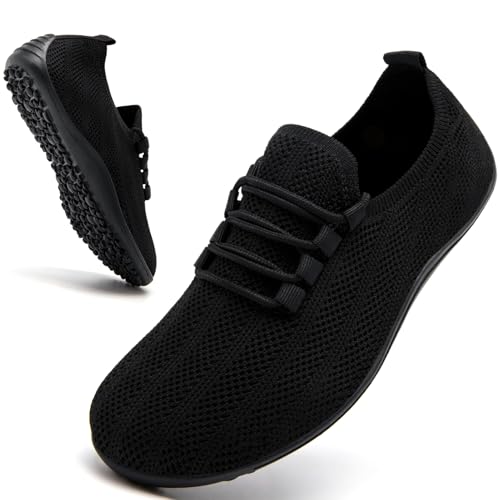
Running shoes aren’t ideal for tennis, but slip-on athletic sneakers like these can work if designed for versatility. They offer lightweight cushioning for quick lateral movements, though they lack the structured support tennis shoes provide. The breathable material helps with sweat, and the slip-on design saves time during transitions. For casual play, they’re a decent backup—but proper tennis shoes ensure stability and impact protection.
10. Lightweight Tennis Walking Sneakers

Running shoes aren’t ideal for tennis due to their rigid midsoles and lack of lateral support. Tennis demands quick cuts, pivots, and side-to-side movement, which can strain shoes built for endurance runs. Lightweight tennis shoes, however, offer the flexibility and cushioning needed for explosive lateral movements. If you’re short on options, a well-fitted running shoe with a softer, more responsive sole might work—but expect less grip and durability than dedicated tennis footwear.
