
can you use walking shoes for running

As an Amazon associate, Comfy-Kicks.com earns from qualifying purchases at no cost to you.
Using walking shoes for running will likely cause blisters, knee strain, or even long-term joint issues. The right running shoes have better arch support and a firmer heel strike to match the demands of running. If you’re just starting out, investing in proper running shoes is worth it for your comfort and safety.
can you use walking shoes for running in 2026
1. Running for Beginners

Running feels like a chore, but walking shoes designed for running can ease the transition. Start slow—even short distances—while keeping footwear right for support. The book explains how to build endurance without burning out. You’ll find a way to enjoy movement, not just endure it.
2. Lightweight Breathable Running Sneakers

Walking shoes designed for casual wear often lack the support and cushioning needed for running. They prioritize comfort over impact absorption, which can lead to joint stress over time. If you run regularly, these shoes won’t provide the stability or durability required for long distances or varied terrain. Stick to running shoes if you plan to push your limits.
3. Breathable Mesh Tennis Athletic Sneakers

Walking shoes aren’t built for running’s demands, but these mesh laced sneakers blend walking comfort with running potential. The lightweight design reduces strain on joints, while breathable mesh keeps feet cool during longer sessions. The flexible construction adapts to natural foot movement, though they lack the specialized cushioning for high-impact runs. For casual or low-mileage runs, they’re a practical choice—but serious runners should prioritize dedicated footwear.
4. Sport Running Shoes

Walking shoes aren’t built for running’s demands. They lack the cushioning, support, and traction needed for impact absorption on trails or pavement. If you run, proper shoes prevent injuries like shin splints or stress fractures. The Blade Workout sneakers offer specialized mesh for breathability, sturdy trail runners for grip, and lightweight design for endurance. They’re far better suited than casual shoes for serious running.
5. Slip-On Walking Shoes

Walking shoes designed for casual wear often lack the support and cushioning needed for running. These shoes prioritize breathability and slip resistance over impact absorption, which can lead to discomfort or injury over time. If you run, proper running shoes reduce stress on joints and improve performance. Walking shoes may fit your daily needs but aren’t built for the repetitive motion and force of running. Stick to shoes made specifically for running to protect your feet and joints.
6. Fresh Foam Running Shoe

Walking shoes often lack the cushioning and support needed for running. The Fresh Foam Arishi V4 offers a softer, responsive foam midsole that absorbs impact better than most casual shoes. Its structured design helps with stability, which is key for runners who need consistent support. If you’re transitioning from walking to running, this shoe provides the right balance of comfort and performance.
7. Supportive Running Shoe

Walking shoes aren’t built for running’s demands. They lack the cushioning and structural support needed to handle the impact of long-distance running. The Brooks Adrenaline GTS offers specialized arch support and plush cushioning to absorb shock better than casual shoes. If you run occasionally, these shoes adapt better than walking footwear.
8. Comfortable Walking Shoes

Walking shoes like these aren’t built for speed, but they can handle light jogging if you’re cautious. The lightweight design and breathable material help with endurance, though they lack the support for high-impact running. Stick to them for casual runs under 30 minutes if your stride is steady. For serious training, proper running shoes are essential.
9. Barefoot Minimalist Walking Hiking Shoes
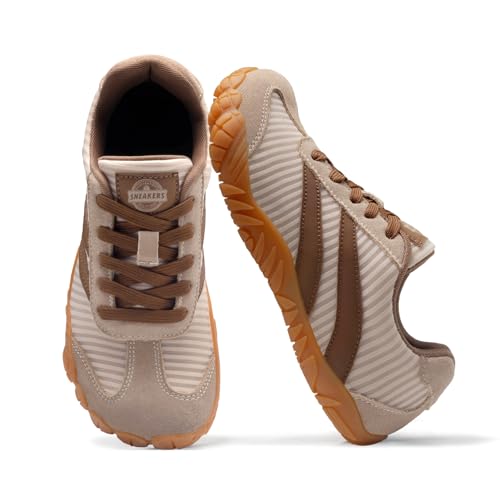
These shoes prioritize natural foot movement with a zero-drop design, mimicking barefoot motion. Their wide toe box distributes pressure evenly, reducing strain on joints while improving balance. The lightweight, breathable build keeps feet cool during long runs, and the non-slip sole offers grip on varied terrain.
For casual running, they’re a practical hybrid. They’re sturdier than walking shoes but lighter than traditional runners. If you’re transitioning or running on flat, stable surfaces, they can work—though they lack the cushioning for high-impact trails. Stick to them for steady, low-intensity runs.
10. Women’s Cushioned Walking Shoes

Walking shoes like these aren’t ideal for serious running—they prioritize stability and cushioning for walking, not the forward motion of running. Their design lacks the lightweight flexibility and specialized support needed for impact absorption at running speeds. If you’re just casual jogging, they might suffice, but for structured training, proper running shoes are better.
