
zero drop shoes for weightlifting

As an Amazon associate, Comfy-Kicks.com earns from qualifying purchases at no cost to you.
For weightlifters who want to feel more connected to the movement, zero drop shoes offer a simpler, more natural feel. They reduce the extra elevation that can throw off your stride and impact mechanics. If you’re used to lifting in flats, switching to these might feel a little awkward at first, but many find it leads to better control and a more efficient lift. Just remember, it’s all about finding what works best for your body and your technique.
zero drop shoes for weightlifting in 2026
1. Minimalist Zero-Drop Footwear

Zero-drop shoes for weightlifting let your feet move naturally, reducing strain on ankles and knees. The flat sole mimics barefoot movement, improving balance and muscle engagement without forcing your body into awkward positions. Minimalist designs keep weight low, letting you focus on technique rather than shoe resistance. A wide toe box prevents overcrowding, keeping toes free for better grip and stability during lifts. For serious lifters, this setup can reduce injury risk while enhancing performance.
2. Boxing Fitness Shoe

Zero-drop shoes for weightlifting mean no heel lift, so your foot stays flat on the ground. This keeps your natural foot alignment, reducing strain on your knees and ankles. For powerlifting, it helps maintain proper form under heavy loads. The flat sole also lets you feel the floor better, improving grip and stability during lifts. Grey versions blend with gym wear, keeping things clean.
3. Barefoot Athletic Sneakers

Zero-drop shoes like these help lifters maintain natural foot positioning during heavy lifts. The zero-cushioned design encourages a more grounded stance, reducing strain on ankles and knees. For squats and deadlifts, this can improve stability and reduce injury risk by keeping the foot flat on the ground. The lightweight build also allows for quicker transitions between lifts.
4. Extra Wide Minimalist Walking Shoes

Zero-drop shoes for weightlifting offer natural foot positioning, reducing strain on joints. These shoes eliminate heel elevation, aligning the body’s biomechanics better than traditional lifts. The minimalist design supports barefoot movement, improving grip and stability during heavy lifts. Extra width ensures a secure fit, preventing discomfort during long sessions. Walking in them keeps feet conditioned for training.
5. Minimalist Weightlifting Shoes
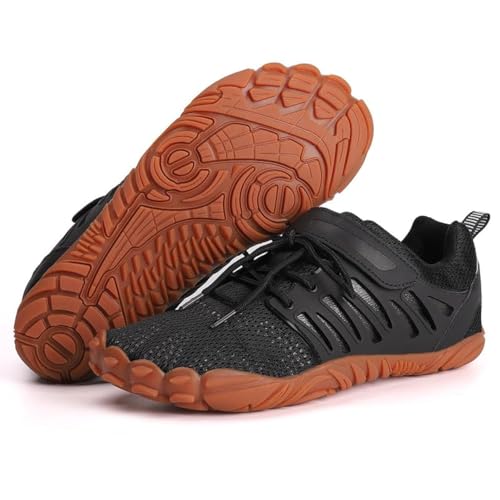
Zero-drop shoes like these help you train with natural foot positioning. No artificial heel lift means your body moves more like it should, reducing strain on ankles and knees during lifts. The wide toe box lets toes spread naturally, improving grip and balance on the bar. Minimalist design cuts down on unnecessary weight, letting you focus on form and power.
6. Minimalist Gym Shoes

Zero-drop shoes like these help lifters train with natural foot positioning. They eliminate heel elevation, forcing a more upright stance and better core engagement during lifts. This reduces strain on the lower back and improves stability, especially in heavy deadlifts. The wide toe box prevents cramping and encourages natural foot alignment, which can boost power output and reduce injury risk. Minimalist design also enhances proprioception, letting you feel the ground better for precise movements.
7. Minimalist Walking Sneakers

Zero-drop shoes like these offer a natural foot position for weightlifting by eliminating heel elevation. This reduces strain on the Achilles tendon and hip flexors, letting you lift with true body mechanics. The minimalist design keeps weight low, improving balance and power transfer.
For wide feet, the toe box accommodates natural foot shape without restriction. The durable sole provides grip on uneven surfaces, useful for lifting in gyms or outdoor training. Stability comes from reinforced TPU construction, making them reliable for both lifting and cross-training.
8. Minimalist Trail Running Shoes

Zero-drop shoes like these offer a natural foot position for weightlifting by eliminating heel elevation. This keeps your foot flat on the ground, reducing strain on your calves and improving balance during lifts. The minimalist design mimics barefoot movement, letting you engage muscles more directly without extra cushioning. Extra-wide toe boxes help prevent toe crowding, which can cause discomfort or poor form during heavy workouts. The low profile also lets you feel the floor better, aiding stability and control.
9. Minimalist Barefoot Shoes

Zero-drop shoes like these help lifters maintain natural foot positioning during lifts. The flat sole eliminates the need to adjust form, reducing strain on ankles and knees. The wide toe box improves toe splay, which can enhance grip on the barbell. Minimalist knit material stays flexible, letting feet move naturally without restricting motion. For weightlifting, this design supports better balance and reduces unnecessary muscle fatigue.
10. Wide Barefoot Minimalist Trail Running Shoes

Zero-drop shoes like these offer a natural foot position for weightlifting by eliminating heel elevation. This reduces strain on the Achilles tendon and encourages proper foot alignment, which can improve form and reduce injury risk. The minimalist design supports natural movement while providing stability for heavy lifts. Walking and gym use benefit too, as they keep feet aligned without forcing awkward angles.
