
barefoot shoes for trail running

As an Amazon associate, Comfy-Kicks.com earns from qualifying purchases at no cost to you.
If you’ve been running on pavement for years, switching to barefoot shoes might feel strange at first. But once you get used to them, you’ll notice your feet feel freer, your stride becomes smoother, and you might even run farther without as much fatigue. Just remember, it’s important to ease into it—gradually increasing your time or distance on trails to let your body adjust. And always pick a pair that fits well and feels comfortable right away.
barefoot shoes for trail running in 2026
1. Barefoot Trail Walking Shoes

Barefoot-style trail shoes mimic natural foot movement, reducing impact on joints while improving balance. The wide toe box and zero-drop design encourage proper foot alignment, which is key for runners who prioritize efficiency and injury prevention on uneven terrain.
Lightweight and breathable materials keep feet cool, while non-slip soles handle rough trails. These shoes blend comfort with performance, making them ideal for those who want to train closer to barefoot without sacrificing grip or support.
2. Minimalist Barefoot Trail Running Shoes

Minimalist barefoot shoes like these prioritize natural foot movement by offering a low drop and wide toe box. This setup reduces unnecessary cushioning, letting your feet adapt to uneven terrain while maintaining stability. Ideal for trail runners who want to feel the ground more closely.
The zero-drop design encourages proper foot alignment, which can improve balance and reduce injury risks over time. Lightweight and flexible, these shoes mimic barefoot movement, making them practical for both training and light lifting. Perfect for those who prefer simplicity and efficiency in their gear.
3. Trail Glove Sneaker

These gloves offer a solid grip and protection for trail running without sacrificing flexibility. The thick rubber sole mimics barefoot feel while providing cushioning for uneven terrain. Lightweight yet durable, they balance support and movement for long runs. The deep treads prevent slipping on rocks or roots, making them practical for rough trails.
4. Minimalist Five-Finger Running Shoes

These minimalist barefoot shoes mimic natural foot movement by offering a wide toe box, letting toes spread freely. The zero-drop design keeps your foot aligned with your ankle, reducing strain on joints while improving balance on uneven terrain. For trail runners, this means better stability and a more efficient stride without the bulk of traditional shoes.
The five-finger construction enhances grip and sensory feedback, letting you feel the ground more clearly. Lightweight and flexible, they adapt to your gait, cutting down on fatigue over long runs. Ideal for those who prefer minimal interference between shoe and foot, they blend fitness and trail running seamlessly.
5. Minimalist Trail Runner Shoes

Barefoot shoes like these mimic natural foot movement, reducing impact on joints while improving balance. The zero drop design keeps feet closer to the ground, enhancing proprioception and muscle engagement for trail runners. Wide toe boxes prevent blisters and encourage natural toe splay, which is key for efficient stride on uneven terrain.
For those who prefer minimalist options, these shoes offer durability without sacrificing comfort. The lightweight construction and flexible sole adapt to varying trail conditions, making them practical for cross-training and light trail running. They’re ideal for runners who want to train closer to barefoot while still protecting feet from debris.
6. Barefoot Running Shoes
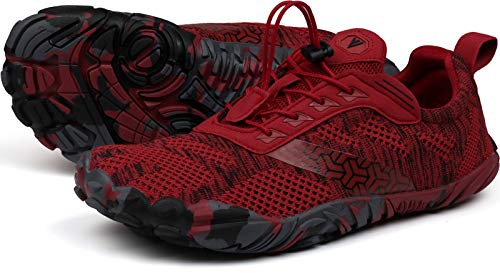
These minimalist trail runners mimic natural foot movement, letting you feel the terrain while reducing impact. The zero-drop design keeps your stride efficient, ideal for fast-paced runs or rugged paths. Wide toe boxes prevent blisters, and five-finger toes enhance grip and balance on uneven ground. Perfect for fitness and workouts, they blend barefoot feel with practicality.
7. Wide Toe Box Trail Running Shoes

Barefoot trail shoes like these offer natural foot movement by eliminating excessive cushioning. The wide toe box keeps toes spread, reducing blisters and improving balance on uneven terrain. Zero drop aligns foot strike with barefoot running, reducing knee strain and promoting efficient gait.
For hikers and runners who prefer minimalist footwear, these shoes bridge the gap between barefoot feel and protection. Lightweight design cuts down on fatigue, while the all-black build blends seamlessly into rugged environments. Ideal for those who want to train barefoot-style without sacrificing stability.
8. Minimalist Trail Running Shoes

Minimalist zero-drop designs like these help runners mimic natural foot movement, reducing strain on joints while improving balance on uneven terrain. The wide toe box prevents crowding, letting toes spread naturally, which is key for trail running where grip and flexibility matter most.
For hikers and campers, slip-on convenience and non-slip soles mean less mess and better traction on rocks and roots. These shoes bridge barefoot feel with practicality, making them ideal for all-day outdoor adventures.
9. Wide Fit Minimalist Running Shoes

These shoes blend barefoot principles with trail running demands by offering zero drop for natural foot positioning. The wide canvas fit accommodates extra width, reducing pressure points on longer runs. Lightweight yet durable, they prioritize stability over rigid support, letting your feet adapt to uneven terrain naturally. Minimalist design cuts down on bulk, keeping energy efficient for all-day trails.
10. Barefoot Minimalist Trail Sneakers

For trail running, proper footwear mimics natural movement, reducing strain on joints and improving efficiency. These shoes prioritize a wide toe box and zero drop, letting toes spread naturally while keeping the heel lower than the forefoot. This setup enhances balance and reduces overpronation, which is key for long-distance runs on uneven terrain.
The minimalist sole offers grip without bulk, ideal for rough trails. Lightweight and breathable, they blend seamlessly with outdoor activities. Whether training or walking, they adapt to your stride without forcing your feet into artificial shapes.
