
best athletic shoes for ball of foot pain

As an Amazon associate, Comfy-Kicks.com earns from qualifying purchases at no cost to you.
The ball of your foot often bears a lot of weight, so shoes that offer extra shock absorption and a wider toe box can help distribute pressure more evenly. Brands that specialize in athletic footwear with gel inserts or memory foam soles tend to perform well for this issue. If you’re active, you’ll want something that balances support with flexibility, so your foot doesn’t feel like it’s stuck in a rigid shell. Over-the-counter inserts can also help, but if you’re looking for a full shoe solution, brands like Brooks, Hoka, or Asics often have models designed specifically for foot pain. Don’t ignore this problem—small adjustments can make a big difference in your comfort and mobility.
best athletic shoes for ball of foot pain in 2026
1. Foot Pain Orthotics Inserts
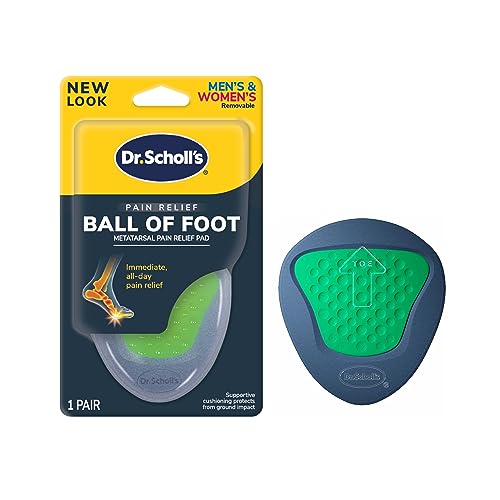
For serious athletes dealing with ball-of-foot discomfort, proper foot support is key. These orthotics provide cushioning and arch support to reduce pressure points, letting you run or train longer without flare-ups. They’re lightweight and designed to fit most shoes, so they won’t weigh you down.
If you’re looking for a shoe that pairs well with these, prioritize models with thick, shock-absorbing midsoles and a wide toe box. Brands that excel here include ones with built-in cushioning and adjustable fit options. The right shoe keeps your feet stable while the orthotics handle the rest.
2. Foot Cushion Inserts

For serious runners or active women, ball-of-foot pain can cut training short. These pads redistribute pressure, easing discomfort by cushioning the sensitive area. They fit snugly in most athletic shoes, offering relief without bulk.
The gel material absorbs shock, while the non-slip design keeps them in place. One size fits most, so they’re practical for daily wear. If you’re tired of sharp pains, these pads help keep your runs consistent.
3. Foot Pain Relief Orthotics

For serious runners or athletes dealing with metatarsalgia or Morton’s neuroma, proper foot support is critical. These insoles provide targeted relief by cushioning the ball of the foot and distributing pressure evenly. They’re designed to reduce pain while maintaining natural foot movement, which is key for athletic performance without sacrificing comfort.
Made in the USA, these orthotics offer durable, high-quality support that won’t wear out quickly. They’re especially useful in athletic shoes that lack built-in arch or ball-of-foot padding, ensuring consistent relief during long training sessions or races.
4. Running Arch Support Insoles

These insoles target the root cause of ball-of-foot discomfort by offering a firm metatarsal pad and deep arch support. They redistribute pressure away from inflamed areas, easing pain from plantar fasciitis or Morton’s neuroma during long runs or daily wear.
Designed for athletes and active folks, they provide stability without sacrificing flexibility. The orthotic design helps prevent recurring pain, making them a smart upgrade for anyone who’s tired of constant foot issues.
5. Metatarsal Gel Cushions
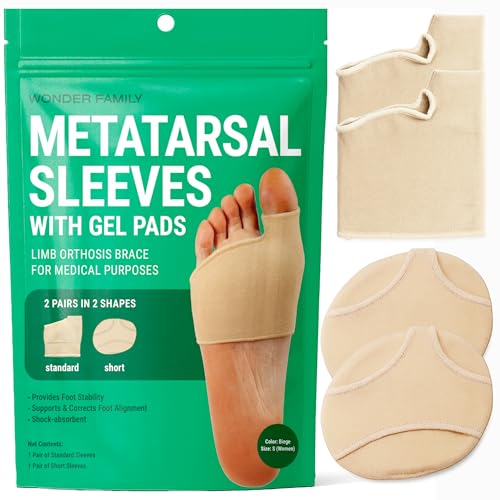
Gel ball-of-foot cushions help distribute pressure unevenly in athletic shoes, reducing sharp pain from tight or poorly fitted footwear. They’re especially useful for runners or those with high arches, as they prevent metatarsal stress by adding a soft barrier between the shoe and the ball of the foot.
For bunion pain or callus relief, reusable insole pads provide targeted cushioning where it’s needed most. Pairing them with supportive athletic shoes keeps the forefoot stable, cuts down on irritation, and helps prevent recurring corns or calluses over time.
6. Arch Support Orthotic Inserts

These insoles provide targeted relief for pain in the ball of the foot by distributing pressure evenly. They’re designed to ease conditions like Morton’s neuroma and plantar fasciitis, which often flare up in athletic shoes that lack proper arch and metatarsal support.
For those who stand all day or run, they’re a game-changer. They help maintain foot alignment, reducing strain on the metatarsal region. Pairing them with the right athletic shoes keeps your feet supported without sacrificing performance.
7. Metatarsal Foot Pads

These pads help distribute pressure evenly across the forefoot, reducing sharp pain from overloaded ball joints. They’re ideal for runners or athletes who wear shoes with rigid soles, as they add cushioning without bulk.
For metatarsalgia or Morton’s neuroma, they shift weight off sensitive areas, easing discomfort in high-impact sports. Pair them with supportive shoes to improve comfort and performance.
8. Foot Cushion Inserts

For serious runners or athletes dealing with ball-of-foot discomfort, these cushioned inserts offer targeted relief by redistributing pressure. They’re designed to absorb shock and reduce strain on tight or overworked areas, letting you train longer without flare-ups.
The soft, flexible material keeps joints stable while allowing natural foot movement—critical for shoes meant for high-impact activities. They’re versatile enough for any shoe type, making them a smart upgrade for anyone who’s spent too much time on their feet.
9. Gel Foot Pads for Pain Relief

Athletic shoes designed for ball-of-foot pain should prioritize cushioning and arch support to ease pressure on sensitive areas. These pads help distribute weight evenly, reducing strain on metatarsal joints and preventing discomfort during long runs or intense workouts. They’re ideal for runners or anyone with Morton’s neuroma or calluses, offering relief without altering shoe fit.
For serious athletes, these gel inserts provide extra shock absorption, which is key for preventing overuse injuries. They fit most shoes, so they’re practical for daily wear too. If you’re dealing with bunions or forefoot pain, these pads can make athletic shoes more comfortable by reducing direct pressure.
10. Foot Cushion Pads
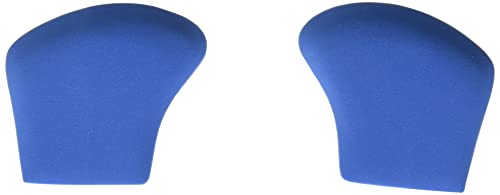
These pads help distribute pressure evenly across the foot, reducing strain on the ball area during runs or workouts. They’re lightweight yet supportive, fitting well in most athletic shoes to ease discomfort without bulk. Ideal for those with plantar fasciitis or metatarsalgia, they’re simple to slip in and provide consistent relief for daily activity.
