
good running shoes for bad ankles

As an Amazon associate, Comfy-Kicks.com earns from qualifying purchases at no cost to you.
Stability is key, so check for built-in ankle braces or thick soles that prevent excessive rolling. Avoid overly flexible shoes that might worsen instability. A good fit—snug but not tight—will also help reduce strain. If you’re unsure, consult a running specialist to find the right balance of support and flexibility for your needs.
good running shoes for bad ankles in 2026
1. Glycerin Running Shoe

This shoe offers a smooth ride with its soft cushioning, which helps absorb shock well. The neutral design keeps alignment steady, reducing strain on ankles prone to instability.
The breathable upper keeps feet dry, and the supportive midsole provides stability without overcorrecting. Perfect for runners with weak ankles, it balances comfort and control.
2. Road Running Shoes

The Revolution 8 offers a supportive midfoot wrap with a snug fit, crucial for ankles that need stability without restriction. The reinforced heel counter and curved toe box help prevent overpronation while keeping the foot secure.
Lightweight yet durable, these shoes cushion impact well, reducing strain on ankles prone to stress. The flexible yet structured design adapts to natural movement, letting bad ankles move freely without extra pressure.
3. Compression Ankle Support Socks

Good running shoes alone won’t fix chronic ankle instability. These socks add compression and cushioning to lock joints tighter, reducing strain on weak ankles. The Coolmax fabric wicks moisture away, keeping feet dry and preventing blisters that worsen instability. Three pairs mean you’re always ready, and quarter-length design supports arches without bulk. They’re a simple but smart layer to pair with shoes for better control and less fatigue.
4. Supportive Running & Walking Shoe

This shoe offers solid stability for ankles that need extra control. The GTS design keeps your foot locked in place, reducing strain on weak joints during runs. The supportive midsole absorbs impact well, which helps prevent overuse injuries common in unstable ankles.
The snug fit and reinforced toe box keep feet secure, while the breathable upper prevents swelling. Great for walking too, it balances motion with firm guidance—ideal for those who need consistent ankle support without sacrificing comfort.
5. Washed Performance Shoes

This shoe offers solid support for ankles that need stability without extra bulk. The midfoot structure helps lock your foot in place during turns, reducing strain on weak ankles. The rubberized outsole grips uneven terrain, cutting down on ankle rolls.
The breathable fabric keeps feet dry, lowering swelling from overuse. The high-visibility yellow adds safety if you run in low light. Navy and black colors blend with most outfits while standing out when needed.
6. Running Shoe Cushion Inserts

This shoe offers solid support with its structured midsole, which helps stabilize ankles prone to rolling. The reinforced heel and cushioned forefoot reduce impact stress, making it gentler on joints while still delivering responsive energy return.
The lightweight yet durable design keeps movement fluid, and the breathable upper prevents over-sweating that can worsen ankle instability. The sleek, supportive fit ensures consistent contact with the foot, cutting down on unnecessary strain.
7. Men’s Slip-On Walking Shoes
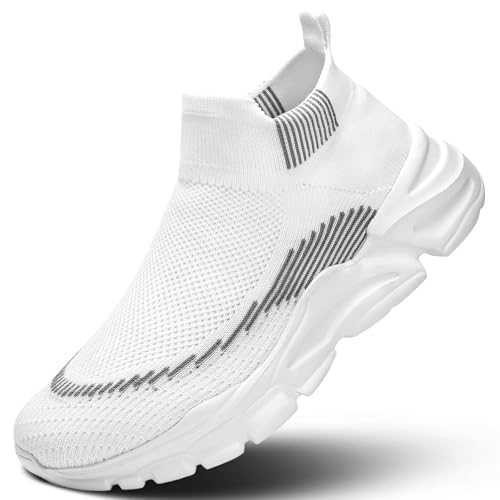
For bad ankles, stability and support are key. These shoes offer a firm grip with non-slip soles to prevent rolling. The high-top design wraps around ankles, reducing strain while keeping movement fluid.
Lightweight yet structured, they balance support with ease. Breathable materials keep feet dry, and the slip-on fit avoids irritation. Ideal for daily wear or light activity, they protect ankles without bulk.
8. Minimalist Trail Running Shoes

For bad ankles, stability and support are key. These shoes offer a firm, structured midsole that helps control overpronation without restricting natural movement. The wide toe box prevents pinching, reducing strain on weakened ankles during long runs.
The five-finger design encourages toe flexibility while still providing grip on uneven terrain. The reinforced heel and arch support help maintain alignment, reducing fatigue and injury risk. Pink color adds a stylish touch, but the focus stays on practicality for stability and comfort.
9. Lightweight Running Sneakers

Lightweight shoes with reinforced ankle support help stabilize movement for those with weaker ankles. Look for cushioned soles that absorb impact while keeping joints secure. Mesh upper material wicks away moisture, reducing swelling and irritation during long sessions.
Non-slip outsoles prevent tripping, which is critical for balance issues. Lightweight yet durable construction means less strain on ankles over time. Stability-focused designs keep feet aligned properly, reducing strain on supporting muscles.
10. Cushioned Walking & Running Shoes

For bad ankles, cushioning is key to reduce strain and prevent swelling. Look for shoes with thick, responsive midsoles that absorb shock evenly. A firm heel counter keeps the foot secure without restricting movement.
Breathable mesh uppers help regulate temperature, while non-slip soles prevent slips during uneven terrain. Stability features like a wide toe box reduce ankle roll, making them ideal for consistent comfort and support.
