
hiking shoes for flat feet

As an Amazon associate, Comfy-Kicks.com earns from qualifying purchases at no cost to you.
The right shoes should also have a thick, cushioned sole to absorb shock, especially when walking on rocky or uneven ground. Look for materials that breathe well to keep your feet dry, and make sure the laces are adjustable so you can tighten them properly without pinching. Brands that specialize in footwear for flat feet often include features like reinforced heel counters and extra padding in the midsole to help distribute weight evenly. Don’t skip testing them on a short hike first—comfort is key before you hit the trail.
hiking shoes for flat feet in 2026
1. Lightweight Hiking Sneakers
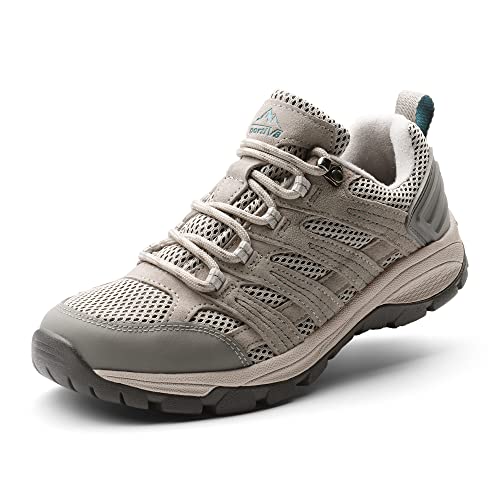
These shoes offer arch support tailored for flat feet by distributing weight evenly across the footbed. The reinforced midsole cushions impact, reducing strain on the feet during long walks. Lightweight mesh keeps feet cool and dry, preventing blisters and discomfort from moisture buildup. Sturdy yet flexible design helps maintain proper alignment, easing pressure on arches.
2. Minimalist Walking Sneakers

For flat feet, stability is key, and this design offers a firm yet flexible base. The zero-drop sole eliminates ankle strain by matching ground level to foot height, reducing overpronation. The wide toe box prevents crowding, letting toes spread naturally while supporting arch support.
The TPU upper resists wear, and the minimalist build keeps weight low. Army green grips terrain well, while the no-sew construction ensures durability. Ideal for long hikes, it balances support and freedom for flat footed hikers.
3. Extra Wide Barefoot Sneakers

For flat feet, stability is key, and these shoes deliver with a wide fit designed to prevent overpronation. The zero-drop construction keeps your foot aligned naturally, reducing strain on arches and heels. Extra cushioning underfoot absorbs impact while maintaining flexibility, so you won’t feel every step’s weight.
The minimalist design encourages a more authentic gait, which can ease discomfort from flat feet over time. The thick, grippy sole grips uneven terrain without forcing your foot into an unnatural position. If you spend hours on your feet, this model supports stability without sacrificing comfort.
4. Barefoot Running Shoes

Hiking with flat feet requires support that mimics natural foot movement. These shoes offer a wide toe box to prevent overcrowding, reducing strain on arches. The non-slip sole grips uneven terrain, easing balance issues flat feet often cause. Lightweight design keeps fatigue low while promoting proper alignment.
5. Minimalist Zero-Drop Workout Shoes

For flat feet, these shoes prioritize natural foot alignment by offering a zero-drop design. The wide toe box prevents overcrowding, letting toes spread naturally, which reduces strain on arches. The cushioned yet lightweight build supports flat feet without forcing them into rigid structures.
The water-resistant material keeps feet dry in wet conditions, while the sturdy construction ensures stability on uneven terrain. The minimalist sole promotes balanced weight distribution, easing pressure points for long hikes.
6. Barefoot Trail Running Sneakers

These minimalist shoes support natural foot movement by encouraging a zero-drop design, which helps distribute weight evenly across the foot. The wide toe box prevents overcrowding, reducing pressure on arches and toes, ideal for flat feet that often strain from improper footwear.
Lightweight and breathable materials keep feet dry and comfortable on long hikes, while the non-slip sole prevents slips on uneven terrain. The design promotes stability without restricting motion, easing strain on flat feet.
7. Breathable Barefoot Athletic Shoes

These shoes offer arch support and a wide toe box to accommodate flat feet comfortably. The breathable material keeps feet cool during long hikes, while the non-slip sole prevents slipping on uneven terrain. Lightweight yet sturdy, they’re ideal for walking, running, and even swimming without strain. The design reduces pressure points, making them practical for those who need stability and flexibility.
8. Wide Toe Box Hiking Boots
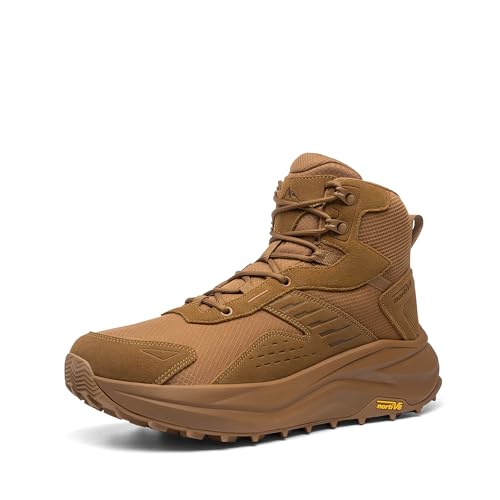
For flat feet, stability is key, and these boots provide a wide toe box to prevent overcrowding. The low drop design keeps your foot aligned naturally, reducing strain on arches and ankles during long hikes. Waterproof material ensures comfort even in wet conditions without extra bulk. The supportive structure distributes weight evenly, easing pressure points. Coyote color adds durability and visibility in rugged terrain.
9. Hiking Shoe
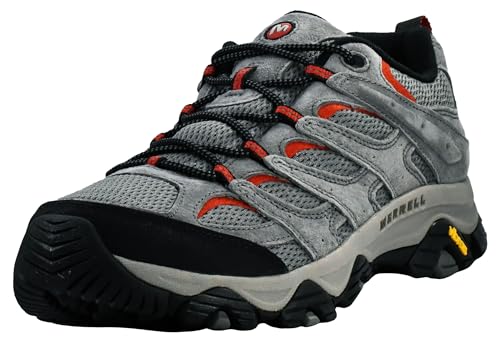
This shoe offers solid arch support and a thick, cushioned sole to help distribute weight evenly across the foot. The deep grip traction keeps stability firm on uneven terrain, which is key for flat feet that often need extra stability.
The durable rubber outsole resists wear, while the padded collar prevents blisters. Its design reduces strain on the feet, making it reliable for long hikes where flat feet can cause discomfort.
10. Comfortable Non-Slip Barefoot Shoes

Designed for hikers with flat feet, these shoes prioritize arch support without sacrificing natural foot movement. The wide toe box distributes pressure evenly, reducing strain on the feet while maintaining stability on uneven terrain.
The non-slip sole grips trails securely, preventing slips, and the lightweight construction keeps fatigue low. Built for all-day wear, they balance support and flexibility for those who need both.
