
can you wear basketball shoes for tennis

As an Amazon associate, Comfy-Kicks.com earns from qualifying purchases at no cost to you.
Using basketball shoes for tennis might not provide the grip or support needed for the game’s demands. Tennis shoes usually have a flatter sole and better flexibility for side-to-side motions. If you’re considering switching, think about how the shoes will affect your balance and comfort during play. It’s always best to wear shoes specifically designed for the sport you’re playing to avoid injury.
can you wear basketball shoes for tennis in 2026
1. Non-Slip Running Shoes

Basketball shoes excel in cushioning and ankle support for quick lateral movements. They’re built for explosive jumps and hard landings, which can feel excessive for tennis. Tennis demands smoother, more stable footing with less bounce.
For tennis, a lighter, more flexible sole is better suited. Basketball shoes lack the grip needed for quick pivots and side-to-side slides. If you must, choose a hybrid model with tennis-specific treads. Otherwise, opt for dedicated athletic trainers.
2. Game Shoe

The Adidas Men’s The Game 3.0 in Black/White/White offers a sleek, versatile design that could work for tennis if the fit suits your foot. Its lightweight construction and cushioned sole provide decent support, though basketball shoes prioritize jumping over smooth court movement. The platform might feel bulky on a tennis court, but if you prioritize style over pure agility, it’s a bold choice.
For tennis, you’d want more grip and responsiveness. The Game 3.0’s thick midsole lacks the lightweight flexibility needed for quick lateral cuts. If you’re willing to compromise on performance, the look alone could justify the wear. But for serious play, stick to court shoes.
3. High-Top Basketball Sneakers

Basketball shoes prioritize ankle support and quick lateral movement, which can work for tennis but may feel restrictive on longer court sessions. The cushioning helps with impact absorption, though tennis requires more stability under footwork. High-tops offer solid support, but if you need a lighter feel, they might feel bulky. For casual play, they could suffice, but for intense matches, consider lighter court shoes instead.
4. Basketball Shoes

These shoes offer a stiff, supportive platform ideal for quick lateral movements, which could help with tennis’s explosive side-to-side action. The cushioning and traction grip might not match tennis’s smoother, more controlled strokes, though, so comfort could vary.
For tennis, the rigid sole might feel restrictive, but if you prioritize stability over flexibility, they could work for casual play. Just avoid intense rallies where quick pivoting is key.
5. Basketball Shoes

Basketball shoes like these offer solid traction for tennis, thanks to their deep, multi-directional grip. The durable outsole provides stability on both hard and clay courts, though they may lack the lightweight flexibility of tennis-specific designs.
However, the thick cushioning could feel restrictive for fast lateral movements. If you prioritize court traction over agility, these could work—but expect some trade-offs in comfort for extended play.
6. High-Top Walking Sneakers

Basketball shoes often prioritize cushioning and ankle support for quick lateral movements. These shoes can work for tennis if they offer good traction and stability. The mid-top design helps with balance during fast pivots. However, if your tennis requires light agility, you might feel slightly less responsive than dedicated tennis shoes. The lace-up fit ensures a snug fit for ankle support.
7. Men’s Running Sneakers

Basketball shoes are built for explosive lateral movements, which work well for fast-paced sports like basketball. Their reinforced midsoles and durable outsoles handle hard court surfaces and quick cuts.
For tennis, however, the focus shifts to agility and comfort over long sessions. Basketball shoes lack the lightweight flexibility and breathable design needed for smooth, all-day play. A better fit would prioritize cushioning and traction tailored to the game’s varied court conditions.
8. Basketball Sneakers

Basketball shoes often prioritize cushioning and support for quick lateral movements, which can feel stiff for tennis. These sneakers lack the lightweight flexibility needed for fast back-and-forth strokes. The thick upper might hinder agility during serve or volley play.
For tennis, you’d want breathable, lightweight shoes with a snug fit. These shoes offer breathable material but lack the thin, responsive design. The anti-slip sole is useful, but the bulk may slow down quick footwork. Stick to tennis shoes if you want comfort and performance.
9. Men’s Slip-On Walking Shoes
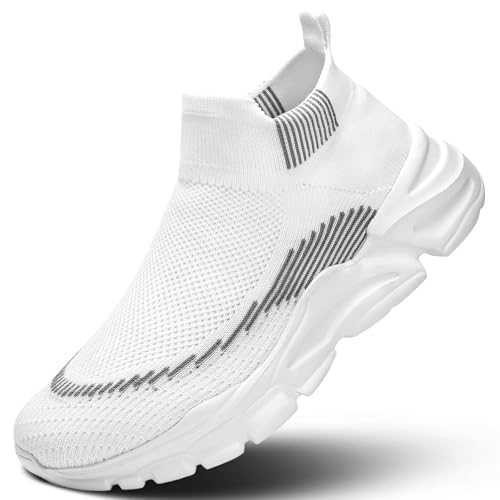
Basketball shoes prioritize cushioning and ankle support for jumps and lateral movements. Tennis requires quick lateral shifts, but they lack the lightweight flexibility needed for smooth court slides. Basketball shoes often feel bulky on the court, reducing agility and comfort over long matches.
For tennis, lightweight, breathable designs like slip-on sneakers offer better mobility. They adapt to rapid direction changes without restricting footwork. If you need versatility, a slip-on style with non-slip soles provides a middle ground—though they won’t match basketball’s full support.
10. Pink Fashion Sport Sneakers

Basketball shoes often prioritize cushioning and lateral support for quick cuts and jumps. While these traits help on the court, they may feel bulky for tennis’s smoother, more linear movements. The anti-slip sole on these shoes could actually work better for tennis’s grip demands, but the stiff midsole might restrict natural foot motion.
For tennis, lighter flexibility and breathable design matter more than basketball’s heavy padding. These shoes balance style with sporty function, but if you need agility, a dedicated tennis shoe might still feel more responsive.
