
what are the best shoes for heel pain

As an Amazon associate, Comfy-Kicks.com earns from qualifying purchases at no cost to you.
If you’re dealing with heel pain from walking or running, go for shoes with a firm heel counter to keep your foot in place. For everyday wear, cushioned walking shoes with a slight arch support can make a big difference. Avoid flip-flops or thin-soled shoes—they don’t protect your heels at all. If you’re buying online, check reviews for how well the shoes fit and how much cushioning they offer. Sometimes, a little extra in the sole can mean less pain over time. Just don’t ignore it—consistent support is the best way to keep those heels happy.
what are the best shoes for heel pain in 2026
1. Heel Cushion Inserts

For heel pain, tight or ill-fitting shoes can worsen discomfort by shifting weight or causing blisters. Heel pads for shoes that are too big provide cushioning where needed, preventing pressure buildup. Inserts for women specifically address narrow or high-heeled designs, offering extra arch and heel support. These small adjustments help distribute weight evenly, reducing strain on the heel.
Comfort fillers in beige and black come in pairs to fill gaps in loose shoes, ensuring a snug fit without sacrificing flexibility. Heel grips for both men and women add traction and shock absorption, crucial for long-term heel health. Protectors with cushion liners shield against blisters from rough surfaces, while proper footwear—like supportive, low-heeled shoes—remains the foundation for lasting relief.
2. Heel Pain Blister Inserts
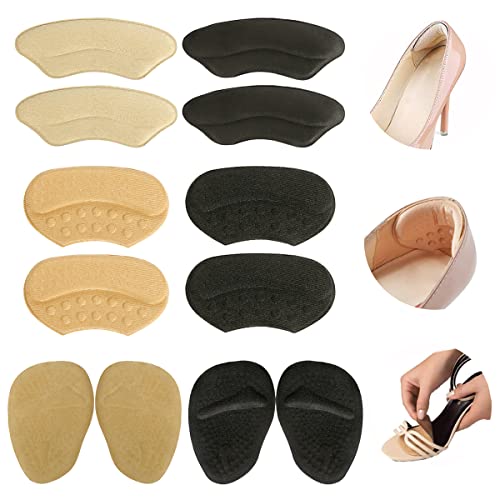
Best shoes for heel pain should offer firm arch support and shock absorption. For loose shoes, inserts like heel grips and metatarsal pads help stabilize the foot, reducing pressure points. These cushioned liners prevent blisters and discomfort by distributing weight evenly. Women and men alike benefit from this simple fix, especially in shoes that lack proper padding. Beige and black options ensure versatility for daily wear.
3. Heel Pad Inserts

For heel pain, tight-fitting shoes with arch support are key, but loose laces or wide toe boxes can worsen discomfort. Riootlnm heel pads act as a filler, tightening loose shoes without altering the original fit. They prevent rubbing and slipping, reducing blisters and pain by distributing pressure evenly.
Black and rosy brown options offer durability and comfort. These inserts work best in shoes that already have decent support but still feel too big. They’re simple, effective, and help keep heels stable, making them a practical upgrade for daily wear.
4. Achilles Plantar Gel Heel Inserts

Heel cups designed for Achilles tendonitis and plantar fasciitis offer targeted relief by cushioning the heel and reducing pressure on inflamed tissues. They absorb shock during walking or running, easing morning stiffness and long-term discomfort. Proper arch support prevents overpronation, which can worsen tendon strain over time.
For heel pain, the best shoes include these inserts to maintain alignment and distribute weight evenly. They’re ideal for active lifestyles or daily wear, helping maintain joint integrity without sacrificing comfort. Look for breathable materials and firm heel counters to support healing.
5. Ultra Heel Protectors

For heel pain, the best shoes prioritize arch support, a firm heel counter, and cushioned soles to absorb impact. Look for brands like Hoka or Brooks, which offer thick, responsive midsoles and reinforced heel areas. Avoid flimsy or overly flexible shoes that let heels slide.
Heel pads and grips help when shoes are too big or cause friction. They add cushioning, prevent blisters, and stop slipping. For consistent relief, stick to sturdy, well-fitted footwear with padded heels.
6. Gel Heel Cushion Inserts

For heel pain, the right shoes make a difference. Opt for cushioned, supportive footwear with thick soles and arch support to absorb impact. Brands offering this often prioritize shock absorption and flexibility to ease pressure on heels.
Heel cushions like these inserts add extra comfort by distributing weight evenly. They’re ideal for daily wear, especially in shoes that lack built-in support. Pair them with well-fitted, low-heeled or flat-soled shoes for lasting relief.
7. Heel Pain Gel Cushions

For heel pain, prioritize shoes with thick, cushioned soles and firm heel support. Look for models with arch support and shock-absorbing materials to reduce strain on the heel and Achilles. Avoid flat or thin-soled shoes that worsen pressure points.
Heel cup protectors like these gel pads help distribute weight evenly, easing pain from spurs or tendinitis. They fit inside shoes to add cushioning without bulk. Stick to brands known for durability and comfort—choose shoes that match your gait for long-term relief.
8. Plantar Fasciitis Heel Protectors

For heel pain, supportive shoes with thick, cushioned soles and reinforced heel counters are key. Look for models with arch support and a slight heel lift to reduce strain. Brands that excel here often feature breathable materials and shock-absorbing midsoles to ease pressure on the plantar fascia.
Heel protectors and cushion inserts work best when paired with shoes that maintain proper alignment. Opt for flexible yet sturdy footwear to prevent over-cushioning, which can worsen alignment issues. Prioritize shoes with a wide toe box and good traction for daily wear.
9. Heavy Duty Heel Cushion Inserts

For heel pain, prioritize shoes with thick, cushioned soles and arch support. Tuli’s Heavy Duty Heel Cups offer deep heel relief by absorbing shock and reducing pressure on the plantar fascia. They’re ideal for runners or those with conditions like Sever’s disease, providing lasting comfort without extra bulk.
Look for lightweight yet supportive footwear with a firm heel counter. These cups fit inside standard shoes, adding cushioning without altering fit. They’re made in the U.S., ensuring durability and quality for daily wear.
10. Heel Pain Relief Inserts

For heel pain, supportive shoes with cushioning and arch help reduce pressure on the heel. These pads offer extra gel cushioning directly under the heel, easing sharp pain from plantar fasciitis or heel spurs. They fit inside most shoes, adding relief without needing new footwear.
Look for shoes with thick soles and firm support. These inserts provide targeted dry heel cushioning, helping with Achilles tendonitis and cracked heels. They’re ideal for daily wear or long walks where heel strain is common.
