
what are the best tennis shoes for plantar fasciitis

As an Amazon associate, Comfy-Kicks.com earns from qualifying purchases at no cost to you.
I’ve found that shoes with a rocker sole or a contoured footbed help distribute weight more evenly, reducing pressure points. Brands like Asics, Brooks, and Hoka offer reliable options with arch support and cushioning that many with plantar fasciitis swear by. If you’re looking for a daily wear option, prioritize breathable materials and a snug fit to avoid blisters or further irritation.
what are the best tennis shoes for plantar fasciitis in 2026
1. Women’s Walking Shoes

For plantar fasciitis, cushioning and arch support are key. These shoes offer thick, responsive padding that absorbs impact, easing heel pain. The ActiveFloat technology provides consistent support, reducing strain on the foot’s arch area.
Breathable fabric and a non-slip sole keep feet dry and stable during movement. The design balances comfort with athletic function, making them a practical choice for daily wear or light activity.
2. Walking Shoes for Plantar Fasciitis Relief

For plantar fasciitis, supportive sneakers with arch and heel cushioning are key. These shoes balance stability and comfort, easing heel pain during daily activity. The right design reduces strain on the foot’s arch and heel, helping to prevent flare-ups while keeping you mobile.
If you’re looking for tennis shoes that address foot and heel discomfort, prioritize models with firm support and shock-absorbing materials. These shoes help maintain proper foot alignment, reducing irritation over time. Pink versions add style without sacrificing function.
3. Orthotic Walking Shoes for Plantar Fasciitis

For plantar fasciitis, the best tennis shoes prioritize cushioning and arch support to ease heel pain. The ZF ZEFUHER offers a firm yet responsive midsole that absorbs shock while maintaining stability. Orthotic inserts help distribute pressure evenly, reducing strain on the plantar fascia.
Lightweight yet supportive, these shoes also provide flexibility for tennis movements. The cushioned sole and reinforced heel counter prevent overpronation, making them ideal for active recovery and play.
4. Walking Shoes with Arch Support
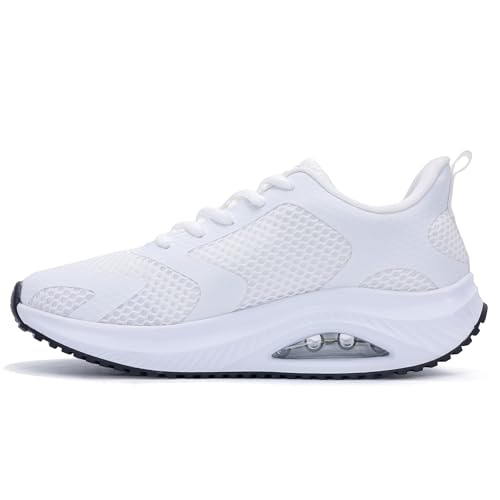
For plantar fasciitis, the right tennis shoes must prioritize arch support and cushioning to ease heel pain. Look for models with firm yet responsive midsoles to absorb shock while maintaining stability. Non-slip soles prevent falls during quick movements, which is key for active recovery.
Arch support is critical—choose shoes with built-in orthotic inserts or removable padding to reduce strain on the foot’s arch. Lightweight yet durable designs keep you comfortable during long sessions without sacrificing performance. Brands offering these features help manage pain while keeping mobility intact.
5. Wide Toe Box Orthopedic Shoes

For tennis players dealing with plantar fasciitis, proper support is key. The wide toe box and thick cushioning of these shoes reduce pressure on the foot’s arch while maintaining stability. Zero drop sole ensures natural foot alignment, easing strain on the heel-to-toe transition.
Arch support and orthopedic design help distribute weight evenly, reducing inflammation. The durable construction keeps them reliable for athletic activity, making them a practical choice for those needing relief without sacrificing performance.
6. Arch Support Walking Shoes for Plantar Fasciitis Relief

For plantar fasciitis, the right tennis shoe must prioritize arch support and heel cushioning to ease sharp pain. These shoes offer a firm yet responsive midsole that absorbs impact while maintaining stability. The orthotic design reduces strain on the plantar fascia, making them ideal for daily wear during tennis or walking.
Look for shoes with thick, supportive soles and adjustable insoles. These features help distribute pressure evenly, preventing heel spurs and long-term discomfort. The BlackPurple version fits well for size 8, balancing comfort and performance for active play.
7. Plantar Fasciitis Orthotic Sneakers

For plantar fasciitis, the best tennis shoes prioritize arch support, cushioning, and durability. These shoes feature built-in orthotics to reduce heel pain and distribute pressure evenly. The cushioning in the midsole absorbs impact, easing strain on the foot’s connective tissues.
Standing all day benefits from thick, supportive soles that prevent fatigue. The design keeps feet stable without sacrificing flexibility, making them ideal for active wear. White versions offer a clean look while maintaining performance.
8. Wide Toe Box Walking Shoes with Arch Support

For plantar fasciitis, tennis shoes need extra cushioning and arch support to ease heel pain. GANNOU’s wide toe box and orthotic design reduces pressure on the foot, while arch support helps distribute weight evenly. The firm yet flexible sole absorbs shock, preventing flare-ups during long sessions.
Look for shoes with thick padding and reinforced heel counters. GANNOU’s plantar fasciitis sneakers fit this need well, balancing stability and comfort for active play.
9. Orthotic Walking Shoes for Plantar Fasciitis Relief

For plantar fasciitis, cushioning and arch support are key. These shoes combine orthotic design with flexible soles to ease heel pain while keeping movement smooth. The right balance of support and breathability helps reduce irritation over time.
If you play tennis or walk often, these shoes provide stability without sacrificing style. The built-in arch support distributes pressure evenly, while the lightweight construction keeps you comfortable during long sessions. They’re a practical choice for anyone needing relief without bulky orthotics.
10. Orthopedic Walking Shoes for Foot Pain Relief

For plantar fasciitis, the right tennis shoes must prioritize arch support and heel cushioning to ease heel spurs and reduce foot strain. Look for models with orthotic inserts and firm yet responsive midsoles to distribute pressure evenly. These shoes help prevent overpronation, which worsens pain over time.
Trail or running shoes designed for high arches and outdoor use often outperform traditional tennis shoes. They combine stability with shock absorption, making them ideal for daily wear and active recovery. Prioritize slip-on designs for comfort and ease of use.
