
1901 shoes for men

As an Amazon associate, Comfy-Kicks.com earns from qualifying purchases at no cost to you.
Back then, men’s footwear didn’t follow the same trends we see today. Shoes were often simpler in style, with clean lines and solid construction. Boots were popular for work or outdoor wear, while dress shoes stayed more formal and structured. The laces were usually thick and strong, and the heels were low or nonexistent unless for special occasions. If you wanted a pair that could handle both work and casual wear, you’d look for something made to hold up under real use—not just for a season.
1901 shoes for men in 2026
1. Lightweight Suede Oxfords

In 1901, men’s dress shoes balanced formality and comfort, often made from heavier leather that prioritized durability over flexibility. These Oxfords and derbies were designed for stiff collars and tailored suits, requiring sturdy soles to endure long office hours without wear.
Modern versions like the Jousen design offer a lighter alternative while keeping classic styling. The plain toe and suede finish mimic vintage elegance, yet the lightweight build prevents fatigue, making them practical for both work and casual occasions.
2. Casual Loafers

In 1901, men’s loafers were sturdy, often made from leather that held up to daily wear, offering both comfort and durability. These shoes were designed for practicality, blending ease of slip-on use with a polished look for both work and casual settings. The moccasin-style construction provided a snug fit, reducing foot fatigue over long hours.
Today’s modern loafers like the Go Tour model replicate that balance—lightweight yet supportive, with slip-on convenience for quick changes. Unlike heavier 1901 designs, these shoes prioritize breathability and flexibility, making them ideal for active lifestyles without sacrificing style. The slip-on feature remains a time-saving feature, though modern materials ensure longevity.
3. Dress Oxford Shoes

In 1901, men’s dress shoes needed to balance durability and comfort without sacrificing formality. These lace-up Oxfords offer a refined silhouette with a smooth leather finish, mimicking the polished look of era-specific styles while prioritizing breathability. The lightweight design means they won’t weigh down the wearer during long hours of formal wear or business meetings.
The brown tone blends seamlessly with suits, much like the muted tones of vintage Oxfords, yet avoids the stiff, heavy feel of older models. The craftsmanship ensures longevity, making them practical for both daily office wear and special occasions. Unlike bulky 1901 footwear, these shoes adapt to modern needs without losing classic elegance.
4. Brown Leather Dress Oxford Shoes

In 1901, men’s dress shoes needed durability and polished refinement. These leather oxfords deliver that with a sturdy build and smooth finish, ideal for formal wear or light business. The brown color blends seamlessly with suits, offering versatility for any occasion.
Made from high-quality leather, they resist wear while maintaining a crisp look. Unlike flimsy 1900s styles, these shoes last through daily use without losing their shape or sheen. Perfect for professionals who demand both style and longevity.
5. Men’s Dress Oxford Shoes
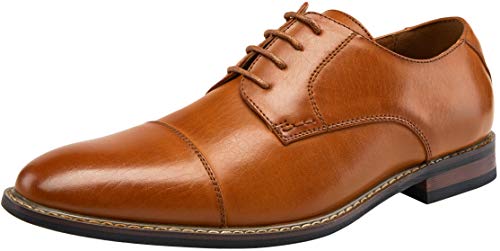
In 1901, men’s formal footwear demanded precision and durability. Jousen’s cap-toe Oxfords bridge the gap between vintage craftsmanship and modern comfort. These shoes retain the polished, polished lacing and polished leather construction of old-school designs while offering refined support.
The classic derby style suits business attire perfectly, blending timeless elegance with practicality. Unlike heavier, rigid 1901 models, these maintain a sleek silhouette without sacrificing sturdiness. Ideal for formal occasions, they honor tradition while adapting to today’s needs.
6. Brown Men’s Loafers

In 1901, men’s loafers were built for practicality and style, blending ease with polished dresswear. These slip-on shoes offered effortless wear for daily errands or light business, with sturdy soles for road trips and smooth transitions between indoor and outdoor settings.
Brown leather loafers like these stood out for their durability and classic look, fitting seamlessly into early 20th-century wardrobes. They balanced comfort with refined craftsmanship, making them ideal for men who needed versatile footwear without sacrificing quality.
7. Casual Dress Sneakers

In 1901, men’s footwear balanced formality with practicality, favoring sturdy oxfords or brogues for work or dinners. These shoes offered polished elegance without sacrificing durability, designed for both office wear and light outdoor use. The blend of leather and laces ensured a refined look while maintaining comfort over long days.
Bruno Marc’s modern sneaker-style oxfords merge casual skate influence with classic dresswear. Unlike rigid 1901 footwear, these shoes prioritize flexibility and breathability, making them versatile for both smart-casual settings and relaxed outings. The brown finish keeps a timeless appeal while adapting to contemporary lifestyles.
8. Casual Loafers
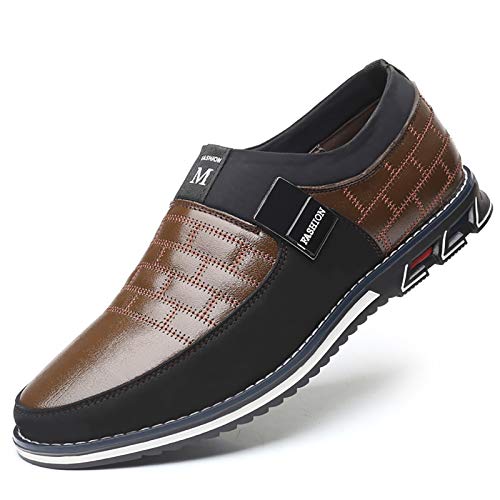
In 1901, men’s footwear was built for durability and practicality, often heavy and stiff. These shoes prioritized longevity over comfort, designed for long workdays or travel. The COSIDRAM Men Casual Shoes offer a modern twist—lightweight yet sturdy, blending ease with everyday wear.
Back then, loafers were rare for active use, but these shoes adapt well for walking, driving, and office settings. The slip-on design keeps up with today’s needs while maintaining the classic look of 1901 work boots. Brown tones match professional and casual styles seamlessly.
9. Casual Dress Sneakers

In 1901, men’s dress shoes were rigid, heavy, and designed for formal wear only. These shoes demanded stiff leather and cumbersome construction, often causing discomfort after long hours of standing. The VILOCY sneakers offer a modern alternative by blending style with practicality, eliminating the stiffness and bulk of traditional oxfords.
Breathable knit mesh and lightweight materials mimic the ease of casual sneakers while still meeting dressy requirements. Unlike the rigid soles of old, these shoes provide natural walking comfort, making them ideal for both office and relaxed settings without sacrificing polish.
10. Men’s Dress Oxford Shoes

In 1901, men’s dress shoes were built for durability and polished formality, often made from leather that held a crisp finish for years. Temeshu’s brown oxfords offer a similar refined look with a sturdy, well-crafted design that suits both office and casual settings. The material and construction mimic classic styles while maintaining modern comfort.
These shoes provide a timeless alternative to older models, balancing tradition with practicality. The brown tone blends seamlessly into professional and relaxed environments, ensuring versatility without sacrificing quality.
