
worst shoes for supination

As an Amazon associate, Comfy-Kicks.com earns from qualifying purchases at no cost to you.
I’ve seen a lot of runners and walkers make the mistake of picking shoes that are too flexible or lack proper arch support. Flat-soled shoes or those with thin, cushioned midsoles can make supination worse by not stopping the foot from rolling outward. If you’re dealing with this problem, stick to shoes made for overpronation or neutral runners with good heel-to-toe drop. Don’t waste your money on cheap, overly cushioned sneakers that won’t help your foot stay stable.
worst shoes for supination in 2026
1. Corrective Foot Inserts
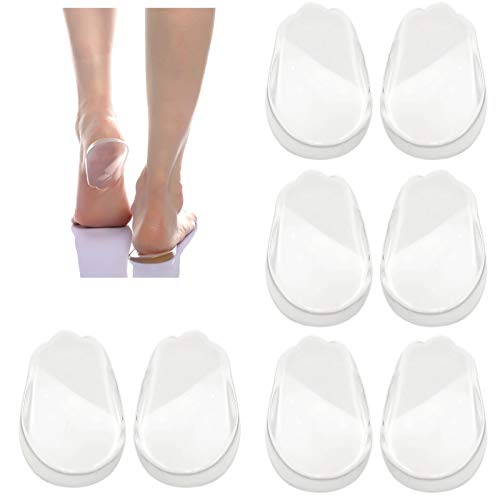
For those who overpronate or supinate, stiff-soled shoes worsen alignment. Four pairs of orthopedic inserts—with medial and lateral wedges—distribute weight properly, reducing strain on arches and knees. Silicone pads lift the heel slightly, forcing the foot into a neutral stance, cutting down on excessive rolling inward or outward.
A height-increase pad targets leg type issues by correcting posture. Transparent inserts adjust for O/X leg patterns, aligning ankles and hips. These won’t fix bad shoes, but they’ll help if you’re already wearing supportive footwear.
2. Heel Wedge Foot Inserts

Worst shoes for supination—like flat-soled sneakers or high heels—force your feet to roll outward, straining ankles and knees. These inserts correct that by gently guiding your foot into proper alignment, reducing stress on joints. The medial and lateral wedges help distribute weight evenly, easing knee pain and preventing bow legs over time.
For osteoarthritis, the alignment support cuts down on abnormal movement, slowing joint wear. Three pairs in black keep it simple and durable. If you’ve got flat shoes, these inserts make a real difference.
3. Foot Alignment Inserts

Worst shoes for supination push your feet into awkward angles, forcing them to overcompensate and strain joints. These inserts adjust for medial and lateral imbalances, guiding your foot naturally into alignment. The heel wedges reduce knee stress, easing pain from bow legs and osteoarthritis by correcting misalignment early.
For those who walk or stand all day, these insole wedges help distribute weight evenly. They’re designed to counteract rigid, unsupportive footwear that worsens over time. If you’ve ever felt knee or hip discomfort from poor foot mechanics, these could be a simple fix.
4. Supination Corrective Arch Support Inserts

Worst shoes for supination often lack proper arch support, forcing your foot to roll outward excessively. These inserts help realign your foot’s natural alignment by providing targeted arch support and cushioning, reducing strain on your legs and joints.
Supination-prone feet benefit from these inserts by distributing pressure evenly, cutting down on pain and improving stability. They’re designed to correct the overpronation issue by offering firm yet flexible support, making them ideal for shoes that fail to accommodate foot mechanics properly.
5. Adjustable Heel Wedge Inserts

Worst shoes for supination—like flat-soled sneakers or high heels—force your feet into an unnatural roll, leading to pain and misalignment. These inserts add controlled elevation and cushioning to correct overpronation, reducing strain on arches and heels. The three-layer gel design absorbs shock while maintaining stability, making them ideal for those who walk or stand long hours in poorly supportive footwear.
6. Posture Correcting Orthotic Insoles

Worst shoes for supination—like flimsy sneakers or high-heeled boots—force your foot to roll outward, straining tendons and joints. Supination insoles like these adjust foot alignment, reducing stress on the arch and heel. They provide firm support, countering excessive outward rotation, which helps prevent pain from overpronation or plantar fasciitis.
For those with flat feet or metatarsalgia, these insoles offer arch support and shock absorption. They adapt to different foot shapes, balancing pressure across the foot to ease strain from poorly fitted shoes. Proper alignment reduces fatigue and long-term joint damage.
7. Foot Alignment Inserts

Worst shoes for supination often push your foot outward, worsening instability and knee strain. These inserts adjust for medial and lateral heel lifts, counteracting that roll. The self-adhesive gel keeps them secure while providing consistent support.
For those with knock-knee pain, the six-piece set offers precise alignment. The layers help distribute pressure evenly, reducing stress on misaligned joints. It’s a simple fix for shoes that fail to correct natural foot mechanics.
8. Orthopedic Arch Support Inserts

Flat feet or supination strains the arch and heel, making everyday shoes like sneakers or flat-soled boots the worst choices. These insoles correct alignment, distribute shock evenly, and ease plantar fasciitis pain by supporting the arch and reducing overpronation. For long hours standing or walking, they’re essential—no more stiffness or fatigue from poor footwear.
9. Heel Straightener Insert
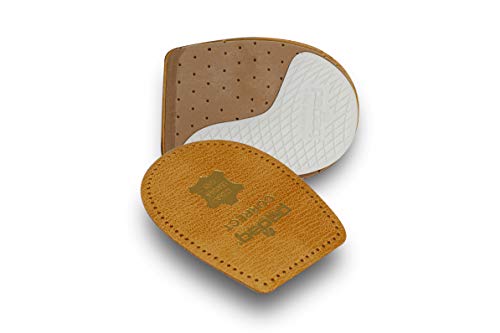
Worst shoes for supination—like flat, rigid soles—force your foot to overpronate, leading to knee strain and misalignment. This product corrects that by adding controlled wedges, forcing your foot to land midfoot, reducing knee and leg stress. The wedges help balance natural supination, easing pain from bow legs or knock knees over time.
Made with durable vegetable-tanned leather, it fits large sizes well. For those who wear stiff shoes, this insert adjusts foot mechanics without full replacements, offering a simple fix for long-term discomfort.
10. Pronation Correcting Orthopedic Insole Inserts

Worst shoes for supination push your feet into overpronation, straining arches and knees. These insoles counter that by offering adjustable wedges and magnetic alignment to gently redirect foot movement. The lateral wedges prevent excessive outward roll, while the magnets help stabilize the heel, reducing knee misalignment from bow legs or knock knees.
For O/X type legs, these inserts correct the natural supination tendency by balancing pressure. They’re ideal for runners or anyone with flat feet or poor arch support, cutting down on pain over time. No flimsy foam—just durable silicone that holds shape and delivers real relief.
