
recommended shoes for plantar fascia

As an Amazon associate, Comfy-Kicks.com earns from qualifying purchases at no cost to you.
I’d recommend starting with a pair that has a firm heel counter and a cushioned midsole. Brands like New Balance and Vionic also have models with built-in orthotics that can help. If you’re on your feet a lot, consider shoes with extra padding in the forefoot to prevent overuse injuries. Always break in new shoes gradually to avoid irritation, and don’t forget to replace them every 500 to 700 miles if they wear out. If pain persists, seeing a podiatrist might help with custom inserts or further adjustments.
recommended shoes for plantar fascia in 2026
1. Plantar Fascia Insoles

For those with plantar fasciitis, supportive footwear is key. Full-length insoles with arch support help distribute pressure evenly, reducing strain on the heel and midfoot. A gel heel cup cushions impact, easing pain during daily wear.
Sturdy shoes that accommodate these insoles prevent further irritation. Look for flexible soles and reinforced toes to maintain proper alignment. These insoles work best with shoes rated for FSA/HSA reimbursement, making them practical for long-term relief.
2. Plantar Fasciitis Arch Support Inserts
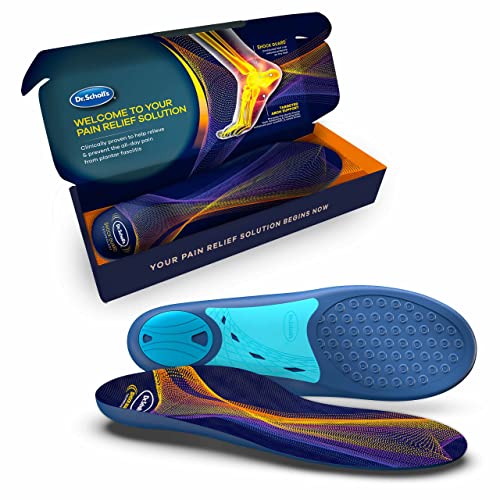
For plantar fasciitis, proper arch support is key. These insoles provide targeted relief by cushioning the heel and distributing pressure evenly. They fit snugly inside most shoes, offering consistent support without bulk. Ideal for daily wear, they reduce strain on the foot’s arch and heel area.
Worn alongside supportive shoes, they help prevent flare-ups. The deep heel cup and firm arch support mimic natural foot alignment. Even mild cases benefit from this simple, effective solution.
3. Comfortable Orthopedic Walking Shoe

For plantar fasciitis, support and cushioning are key. These slip-on shoes offer a knit upper for breathability while providing arch support to ease heel pain. The lightweight design reduces strain during long walks or standing, making them practical for daily use.
The seamless interior prevents irritation, and the slip-on feature simplifies dressing. Their flexibility aligns with foot movement, reducing discomfort over time. Ideal for active lifestyles, they balance comfort with durability for travel or work.
4. Walking Mesh Cushioned Sneakers
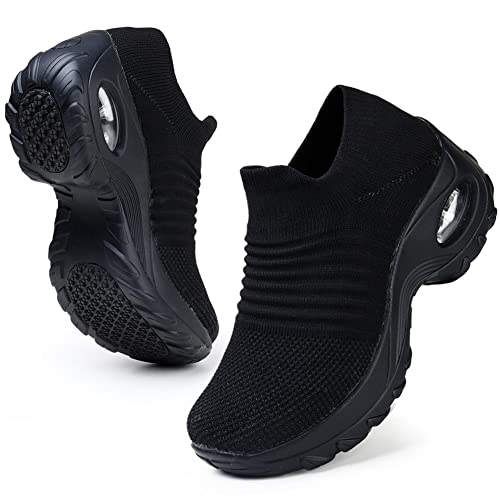
For plantar fascia pain, lightweight, cushioned shoes with a low heel and flexible mesh support help reduce strain on the foot arch. The slip-on design lets you move freely without discomfort, while the padded platform absorbs impact gently. Look for breathable materials to keep feet cool and reduce swelling during long walks.
A firm yet responsive sole is key—this style offers just that, balancing shock absorption with arch support. The all-black color and slip-on ease make them practical for daily wear, especially if you spend hours on your feet. Avoid stiff soles; this model’s cushioning helps ease morning stiffness and fatigue.
5. Wide Width Arch Support Sneakers

For plantar fasciitis, proper arch support and a wide toe box are essential. These shoes provide extra width to prevent overcrowding, reducing irritation. The arch support helps distribute pressure evenly, easing heel and midfoot strain.
The non-slip sole and lightweight design make them ideal for walking and daily wear. Diabetic-friendly features ensure comfort and safety for those with sensitive feet.
6. Comfortable Plantar Fasciitis Orthopedic Flat Shoes

For plantar fasciitis, supportive flat shoes with arch help reduce heel pain. These shoes offer wide toe boxes for swollen feet, preventing irritation. Breathable materials keep feet cool in warm weather, easing discomfort from inflammation.
The rubber sole provides cushioning for daily walking, while orthopedic design supports the foot’s natural alignment. Diabetic-friendly options ensure safety and comfort during recovery.
7. Heavy Duty Arch Support Insoles

Plantar fasciitis sufferers need proper arch support to ease heel and foot pain. These insoles provide deep cushioning and structured arch support, critical for high arches or flat feet. They distribute body weight evenly, reducing strain on the plantar fascia during standing or walking.
For athletes or manual laborers, these insoles offer durability for all-day use. They’re designed to fit into work boots or running shoes, ensuring consistent relief. Proper footwear with these inserts helps maintain alignment and reduces long-term discomfort.
8. Wide Toe Box Arch Support Sneakers

For plantar fasciitis, proper arch support and cushioning are key. These shoes offer a wide toe box to prevent overcrowding and reduce foot strain. The arch support helps distribute pressure evenly, easing heel pain and improving stability during walks or light activity.
The orthotic design provides extra cushioning where needed, while the plantar fasciitis-specific construction reduces irritation. The flexible sole adapts to movement, keeping the foot aligned naturally. Ideal for daily wear, they balance comfort with support without sacrificing mobility.
9. Plantar Fascia Orthotics

For those dealing with heel spurs or plantar fasciitis, the right footwear makes a difference. Opt for shoes with thick, cushioned soles and firm arch support to reduce strain on the foot. These insoles fit inside existing shoes, offering extra shock absorption and gel padding to ease pain.
Avoid flat or overly flexible shoes, which worsen discomfort. Look for models with reinforced heel counters and ample room for custom orthotics. This setup keeps feet stable while minimizing repetitive stress.
10. Orthopedic Road Running Shoes

For plantar fasciitis, proper arch support and cushioning are key. These shoes provide firm medial arch support to relieve strain on the fascia while reducing heel pain. The deep heel cup distributes pressure evenly, easing inflammation and improving comfort during daily wear.
The responsive cushioning and shock-absorbing materials help maintain foot alignment, preventing overuse injuries. Their design supports recovery from bunion pain and neuropathy by stabilizing the foot structure. Ideal for active recovery, they balance support with flexibility for all-day relief.
