
good shoes for lifting weights

As an Amazon associate, Comfy-Kicks.com earns from qualifying purchases at no cost to you.
Stability is another big deal—any wobbling or uneven support can throw off your form. If you’re lifting often, invest in shoes with arch support and a thick, cushioned sole. Avoid flimsy sneakers or shoes meant for running, as they won’t hold up under the stress of heavy weights. Even if you’re just starting, proper footwear helps prevent injuries and makes lifting feel easier.
good shoes for lifting weights in 2026
1. Deadlift Weightlifting Shoes

Good lifting shoes provide ankle support and platform stability to protect joints while improving lift performance. These shoes offer a raised heel for squats and a flat sole for deadlifts, reducing strain on knees and lower back. The Obsidian Black design fits the needs of serious lifters who demand durability and precision. Proper footwear keeps form consistent and reduces injury risk.
2. Minimalist Zero-Drop Footwear
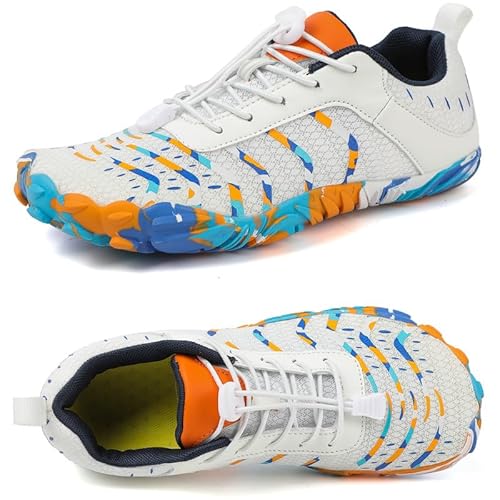
Good shoes for lifting should prioritize stability and support without restricting natural movement. Minimalist zero-drop designs help maintain proper foot alignment, reducing strain on joints. A wide toe box prevents cramping and improves grip during lifts. Grounded footwear ensures balance, crucial for heavy weights. The lightweight construction cuts fatigue, letting you focus on form and intensity. White options keep gyms clean while blending with any setup.
3. Minimalist Zero Drop Walking Shoes

For lifting, proper footwear prevents discomfort and improves performance. These shoes offer a wide toe box, letting toes spread naturally, which reduces strain on the feet during heavy lifts. The zero-drop design aligns with your feet’s natural stance, cutting unnecessary pressure on the ankles and lower back.
Lightweight and flexible, they let you move freely without bulk. The minimalist build supports grip and stability during explosive movements, while the durable construction handles gym demands. No bulky soles mean less fatigue, keeping focus on the lift.
4. Minimalist Barefoot Cross-Trainer Shoes

For lifting, proper footwear supports ankle stability and reduces strain on joints. Minimalist shoes with a zero-drop sole mimic natural foot movement, improving balance and reducing injury risk during heavy lifts. A wide toe box prevents crowding, letting toes spread naturally, which can enhance grip and reduce foot fatigue.
Lightweight designs cut unnecessary bulk, allowing for quicker transitions between lifts. The slip-on style ensures easy access during sets, and the reinforced sole provides durability without sacrificing flexibility. These traits make them practical for gym routines where comfort and function matter most.
5. Anti-Slip Deadlift Lifting Shoes

Good lifting shoes provide stability and support for heavy lifts. These shoes offer a firm platform to keep your feet planted during deadlifts and squats, reducing strain on your knees and lower back. The non-slip sole grips the floor, preventing slips during explosive movements. They also conform to your foot shape, improving balance and reducing fatigue. For serious lifters, these shoes are essential for safety and performance.
6. Weightlifting Shoes
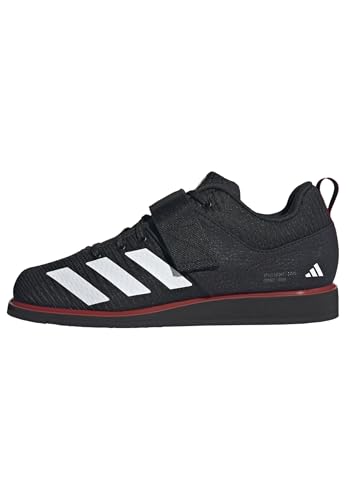
This shoe offers solid grip and support for heavy lifts. The rubber sole sticks to the bar well, reducing slippage during snatches or deadlifts. Lightweight yet durable, it won’t bog you down during long sessions.
The padded collar keeps your wrists secure, while the snug fit prevents blisters. The color options add style without sacrificing function. Perfect for those who need both performance and comfort.
7. High-Performance Lifting Shoes

These shoes prioritize stability and support for heavy lifts. The reinforced sole grips the floor, preventing slippage during squats and deadlifts. The padded collar keeps feet secure, reducing strain on joints during intense workouts. Perfect for powerlifting, they balance flexibility with firm traction. Women and men benefit equally from the durable, ergonomic design.
8. Athletic Weightlifting Shoes

These shoes offer essential flat, stable support for lifting, keeping your feet secure during heavy movements. The carbon rubber sole grips the floor firmly, reducing slippage and improving balance. Black gum design stays durable under sweat and wear, while the lightweight build helps with mobility. Flat sole design prevents ankle strain, making them ideal for consistent lifting routines.
9. Stability Squat Shoes
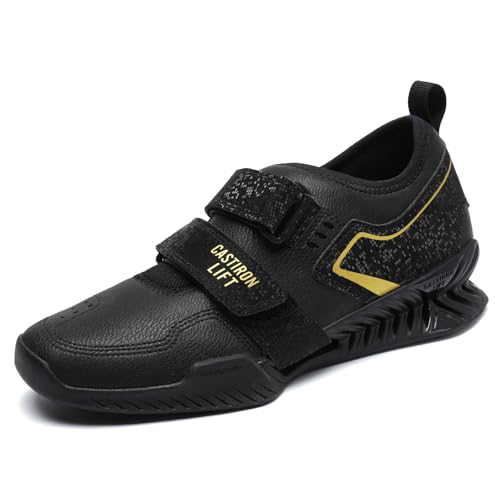
Good lifting shoes keep your feet stable during heavy squats and deadlifts. The non-slip rubber sole grips the floor, preventing slips and keeping your form locked in. A wide toe box spreads your toes naturally, reducing strain on your feet and toes. Heel support elevates your platform, aligning your knees and hips for better power transfer. These shoes cut down on foot fatigue and help you lift heavier with less risk of injury.
10. Diffused Workout Shoes
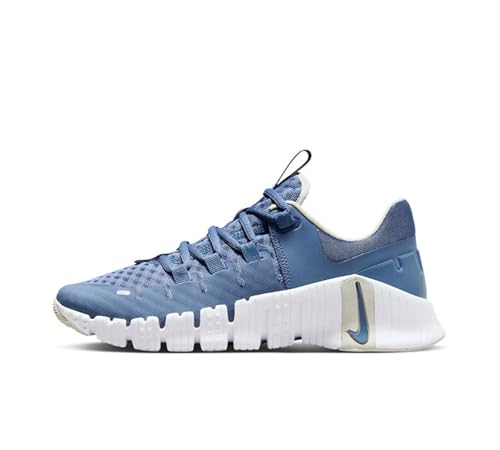
These shoes offer solid support for heavy lifting with a cushioned midsole that absorbs impact. The durable outsole grips surfaces well, reducing slippage during squats and deadlifts. The breathable upper keeps feet cool during intense sessions. Lightweight yet sturdy, they balance comfort and performance for consistent workouts.
