
1960s shoes for men

As an Amazon associate, Comfy-Kicks.com earns from qualifying purchases at no cost to you.
Meanwhile, casual footwear got a fresh twist with the rise of tennis shoes and sneakers. Brands like Converse and Keds introduced chunky soles and vibrant colors, making them ideal for weekend activities or casual outings. The 1960s also saw the popularity of dress boots, often paired with suits or overalls, adding a touch of rugged elegance. Whether you wanted to look sharp or relaxed, the right shoes could define your look perfectly.
1960s shoes for men in 2026
1. Classic Men’s Loafers

In the 1960s, men’s dress shoes often demanded rigid soles and polished laces for formal occasions. This loafer blends slip-on convenience with polished leather, offering effortless wear for evening events without the fuss of laces. The classic design aligns with the era’s sleek, understated elegance.
Patent leather shines under lights, making it ideal for black-tie events, while the smooth sole ensures quiet movement. Unlike stiff Oxfords or brogues, this style balances sophistication with modern comfort—perfect for the polished yet relaxed 1960s gentleman.
2. Black White Wingtip Dress Shoes

In the 1960s, men’s dress shoes often balanced classic elegance with subtle sophistication. The two-tone brogue design of these lace-ups captures that era’s refined aesthetic, blending dark and light tones for a polished look. Wingtips added a touch of sophistication, perfect for business or formal events, while the structured Oxford build ensured durability.
This style stood out by merging vintage craftsmanship with modern wearability. The sleek silhouette suited both office settings and weekend outings, making them versatile for the decade’s evolving fashion demands.
3. Classic Men’s Dress Loafers

In the 1960s, men’s dress shoes often favored pointed toes and stiff leather for formal wear. These loafers bridge that era’s style with modern comfort, offering a sleek square toe that’s both timeless and versatile. The slip-on design lets you move freely without laces, ideal for business or casual settings where ease meets polished looks.
The white color keeps them versatile, blending with suits or casual outfits while standing out in a crowd. Unlike heavier, rigid shoes of the time, these provide lightweight support, making them practical for both office and weekend wear.
4. Swagger Loafers

The Swagger loafer captures the sleek, polished look of ’60s men’s footwear with its polished black finish and subtle metallic accents. It channels the clean, modern elegance of styles like the Chelsea boot or the classic Oxford, offering a refined alternative to chunky leather.
Its pointed toe and low heel align with the minimalist aesthetic of the era, while the polished silver hardware adds a touch of sophistication. Perfect for both casual and smart-casual settings, it stands out without sacrificing comfort.
5. Men’s Oxford Wingtip Lace Dress Shoes

In the 1960s, men’s dress shoes often leaned toward polished leather and rigid structures, favoring pointed toes and minimal laces. These styles prioritized formality over comfort, making them less adaptable for daily wear. The wingtip design, though retro, offered a refined alternative that balanced elegance with practicality.
Bruno HOMME’s modern Oxfords blend timeless craftsmanship with today’s flexibility. The laced wingtip mimics vintage silhouettes while accommodating movement, making them ideal for both office and casual settings. Dark brown tones also suit the era’s muted, sophisticated aesthetic.
6. Men’s Comfort Chelsea Boots
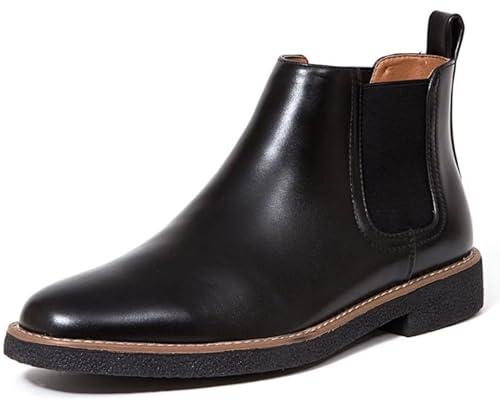
In the 1960s, men’s footwear often balanced formality with practicality, favoring sleek leather boots that paired well with suits. These styles emphasized polished craftsmanship and a structured silhouette, though some models included subtle comfort features for long days. The Rockland design blends classic Chelsea lines with modern ease, offering a refined look that fits the era’s polished yet approachable aesthetic.
Unlike stiff, rigid boots of the past, this model prioritizes flexibility without sacrificing dressiness. Its wide fit ensures a snug yet comfortable fit, making it ideal for both office wear and casual outings. The sleek black finish aligns with the decade’s minimalist trends while maintaining durability.
7. Patent Lace-Up Formal Shoes

In the 1960s, men’s formal footwear often leaned toward sleek leather with polished finishes, favoring pointed toes and low heels for a polished look. These shoes balanced classic elegance with subtle sophistication, designed for office wear and special occasions. The patented design of these shoes offers a refined alternative, blending timeless style with modern craftsmanship.
Unlike the bold patterns or exaggerated shapes of the era, these oxfords provide a clean, understated appeal. Their grey hue remains versatile, working with suits from the decade’s minimalist trends. The lace-up detail adds a touch of sophistication without overpowering, making them practical for both work and formal events.
8. Metal Velvet Loafers

In the 1960s, men’s dress shoes often prioritized rigid structure and polished leather, favoring stiff loafers or formal oxfords. These styles demanded precision in tailoring and a formal demeanor. The metal-velvet slipper, though sleek, breaks that mold by offering a softer, more adaptable fit. Its velvet material mimics the luxury feel of classic dress shoes without the weight, making it ideal for both casual and semi-formal occasions.
The slipper’s metallic accents add a modern edge, something rare in 1960s footwear, which leaned heavily on traditional materials. Unlike the heavy suede or patented finishes of the era, this design balances sophistication with comfort. It’s a practical choice for those who want a polished look without the rigidity of vintage styles.
9. Soft Cap-Toe Dress Shoes

In the 1960s, men’s formal footwear often balanced sharp lines with subtle comfort, and wingtip designs dominated the scene. These shoes offered polished elegance while accommodating long walks at events or business meetings. The soft cap-toe shape softened the rigid silhouette of classic loafers, making them versatile for both office and social settings.
The black color and sleek construction mirrored the era’s minimalist aesthetic, blending sophistication with durability. Unlike heavier, stiff designs of the past, they provided a refined yet practical alternative for men who wanted timeless style without sacrificing comfort.
10. Faux Leather Formal Oxford Shoes
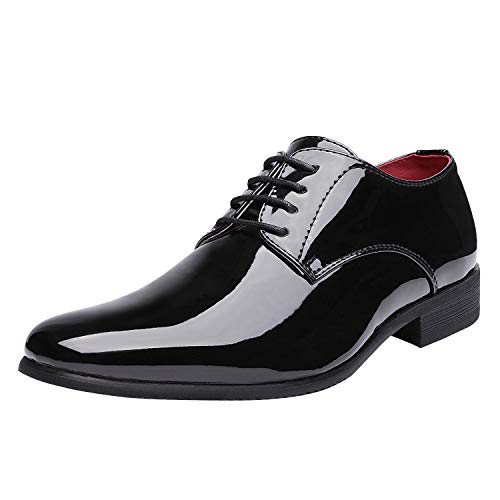
In the 1960s, men’s formal footwear often leaned toward sleek, polished styles that balanced sophistication with a touch of rugged elegance. The faux patent leather of these shoes mimics the glossy finish of real leather but offers durability and lower maintenance, perfect for the busy lifestyle of the era. Lace-ups provided a secure fit, while the classic Oxford design ensured timeless appeal for weddings, galas, and business events.
This style stood apart by blending vintage charm with modern practicality—no more cumbersome brogues or overly stiff oxfords. The black hue remained universally versatile, ideal for black-tie occasions or sharp suits, while the polished look kept up with the decade’s polished aesthetic. It’s a nod to the past without sacrificing ease.
