
worst shoes for knee pain

As an Amazon associate, Comfy-Kicks.com earns from qualifying purchases at no cost to you.
Thin-soled shoes with no cushioning let each step hit harder, which can aggravate knee pain. Boots with a stiff heel or no ankle support can force your knees into awkward positions, causing discomfort. Even walking shoes with uneven treads or no shock absorption can make every step feel like a jolt. If you’re dealing with knee problems, it’s best to choose shoes that protect your joints and reduce unnecessary stress.
worst shoes for knee pain in 2026
1. Heavy Duty Arch Support Orthotic Inserts

Worst shoes for knee pain often lack proper arch support, leading to misalignment and repeated stress on joints. These inserts provide deep arch cushioning and shock absorption, reducing strain on knees by correcting overpronation and heel pain.
For those who walk or stand long hours, the heavy-duty design distributes weight evenly, cutting down on knee fatigue. The firm support helps align the foot structure, preventing knee pain from flat feet or high arches.
2. Max Cushioning Shoes
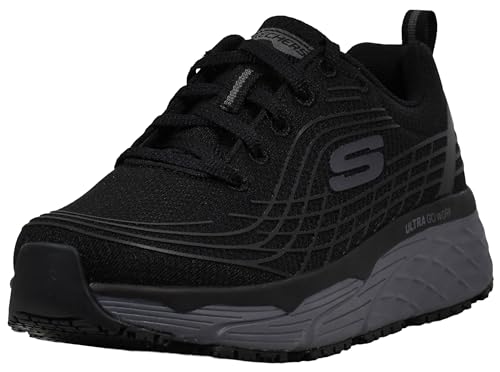
These shoes offer thick cushioning designed to absorb impact, which can help reduce knee strain during daily wear. The arch support is firm yet flexible, preventing overpronation that often worsens knee discomfort over time. However, if the fit is too loose or the cushioning wears unevenly, they might not provide consistent relief for those with chronic knee issues. For severe pain, these may not be enough alone—supplement with physical therapy or orthotics.
3. Plantar Fasciitis Orthotic Insoles

Wearing shoes with poor arch support or flat soles can worsen knee pain by forcing uneven weight distribution. High arch insoles with orthotic cushioning help redistribute pressure, reducing strain on the knees.
For those with flat feet or heel pain, these inserts act as a counterbalance, easing joint stress. Athletic shoes lacking cushioning amplify knee discomfort over time. Proper support is key to preventing long-term damage.
4. Men’s Low Hiking Shoe

This shoe lacks proper ankle support, which can strain knees during uneven terrain. The thin sole offers minimal cushioning, leading to repetitive impact on joints over time. The rigid toe box may force feet into awkward positions, worsening knee alignment issues.
For knee pain, better options prioritize shock absorption and flexible support. This model’s design favors durability over joint protection, making it one of the worst choices for long-term wear. If knees are sensitive, seek shoes with thicker padding and reinforced arch support.
5. Hiking Shoe
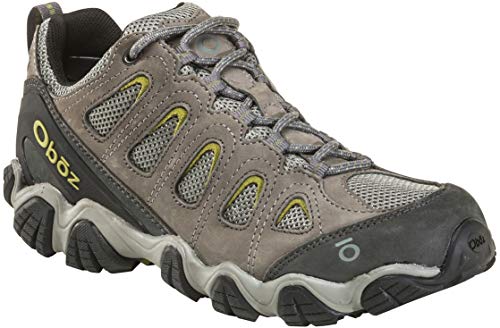
This shoe isn’t built for knee support, but its lightweight design might suit steady hikers who avoid rough terrain. The Pewter finish hides dirt well, though the thin sole offers little cushioning for long walks.
For knee pain, this isn’t ideal—its rigid structure lacks shock absorption. If you need stability, look elsewhere.
