
best shoes for calluses

As an Amazon associate, Comfy-Kicks.com earns from qualifying purchases at no cost to you.
For serious callus relief, consider shoes with a reinforced toe box or a wider toe area to prevent rubbing. Arch support is key too, because it takes some pressure off the callused spots. Brands like Veja or Ecco make solid options with that balance of support and comfort, but if you’re on a budget, even basic running shoes with good padding can help. Just make sure the shoes aren’t too stiff—they should mold to your feet without forcing them into an unnatural shape. If your calluses are painful, see a podiatrist first to rule out anything deeper before investing in new footwear.
best shoes for calluses in 2026
1. Callus Removal Bandage

For stubborn calluses, the right footwear makes a difference. Opt for shoes with thick, cushioned soles and wide toe boxes to reduce pressure. Avoid narrow or rigid designs that dig in, which worsens irritation.
Pair that with a hydrogel bandage to speed healing. It cuts down friction while soothing pain all day. The best combo: supportive shoes plus quick relief for thickened skin.
2. Corn & Callus Remover with Protective Cushions

Dr. Scholl’s liquid formula cuts through thick calluses fast, leaving skin softer. The built-in cushion inside the bottle shields feet from rough shoes, easing pressure during long wear. For those with stubborn corns, this combo speeds relief while preventing new buildup.
Pair it with supportive footwear to keep heels and toes protected. Thick soles and padded insoles help maintain the cushioning effect, reducing friction over time. It’s a simple way to manage calluses without constant irritation.
3. Hydrogel Cushion Inserts

Dr. Scholl’s Callus Cushions use hydrogel to soften pressure points instantly. They absorb friction, reducing discomfort from tight or poorly fitted footwear. Ideal for daily wear, they fit snugly in most shoes, offering relief without bulk.
For calluses, the best shoes prioritize arch support and breathable materials. Avoid narrow toe boxes or rigid soles that worsen irritation. These cushions help, but proper footwear is key to long-term protection.
4. Callus Protection Pads
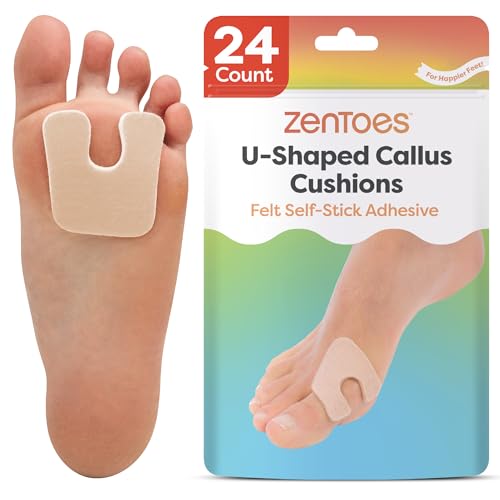
For calluses that form from constant friction, the right shoes matter, but so does prevention. U-Shaped felt pads stick directly to the skin, smoothing out pressure points where shoes rub. They keep hard spots from thickening further while easing pain from daily wear.
If you’re looking for shoes that won’t worsen calluses, opt for wide toe boxes and cushioned soles. Pair them with these pads for extra protection—no extra effort, just relief.
5. Foot Callus Pads

For calluses that refuse to fade, this pad offers a simple, effective solution. Its water-resistant adhesive sticks firmly to feet and shoes, shielding heels and toes from relentless friction. The oval shape fits snugly, reducing pressure where it matters most, so blisters and rough patches stay at bay.
If you wear shoes that rub, this pad’s self-adhesive design means no extra prep—just apply and forget. It’s lightweight, long-lasting, and keeps feet comfortable without bulk. For anyone dealing with persistent calluses, it’s a no-fuss upgrade over bandages or tape.
6. Callus Remover Pads

Best shoes for calluses should prevent friction while keeping feet supported. The thick callus remover and felt pads help soften hardened skin, while self-stick cushions reduce pressure on heels and toes. Multi-size options ensure a snug fit, minimizing rubbing and pain over time. Proper footwear paired with these tools keeps feet comfortable and avoids persistent irritation.
7. Metatarsal Callus Pads

Choosing shoes that fit well is key, but adding felt pads helps prevent calluses from rubbing against shoes. These U-shaped pads distribute pressure evenly, reducing friction and irritation. They stick well, so they stay in place during activity.
For long walks or standing jobs, these pads cut down on discomfort. They’re simple to apply and last through many uses. Pair them with supportive footwear to keep feet protected.
8. Ball of Foot Gel Pads

Soft gel ball-of-foot pads help distribute pressure evenly when wearing shoes, easing callus pain. They reduce strain on metatarsal joints, which often bear excess weight in tight or poorly supportive footwear.
For Morton’s neuroma or persistent calluses, these pads add cushioning where it matters most. They’re ideal for shoes that lack arch support, helping prevent further irritation.
9. Metatarsal Cushion Pads

These pads relieve pressure on the ball of the foot, easing pain from calluses, Morton’s neuroma, or metatarsalgia. They fit well in supportive shoes, reducing strain during long walks or standing. For calluses, they prevent overuse damage by distributing weight evenly. Pair them with cushioned footwear to keep relief consistent.
10. Wide Toe Barefoot Shoes

For calluses, these shoes excel by offering wide toe boxes that prevent overcrowding and reduce pressure on thickened skin. The barefoot design mimics natural foot movement, easing friction and minimizing new callus formation. Lightweight and breathable fabric keeps feet dry, which helps soften existing calluses over time.
The non-slip sole and supportive arch design also reduce strain on feet, making them ideal for daily wear. Their flexibility helps distribute weight evenly, reducing the need for excessive callus buildup from repetitive pressure. Perfect for active use or rest, they balance comfort and function well.
