
shoes for amputees

As an Amazon associate, Comfy-Kicks.com earns from qualifying purchases at no cost to you.
The market has some solid options, but not all brands understand what amputees really need. Some shoes are too bulky, some don’t breathe well, and others just don’t fit properly. It’s all about finding lightweight, durable, and customizable footwear that keeps the wearer moving without pain. Whether it’s a prosthetic socket, an open-back shoe, or a specialized liner, the right pair can make a world of difference in daily life.
shoes for amputees in 2026
1. Comfortable Diabetic Walking Shoes

These shoes offer a wide toe box, which is ideal for amputees needing extra space around the residual limb. The adjustable upper lets users customize fit, ensuring stability without pressure points. Non-slip soles prevent falls, a critical safety feature for those with mobility challenges. Lightweight design reduces fatigue, making them practical for daily wear. The cushioning supports sensitive feet, easing discomfort from prosthetic use.
2. Training Shoes
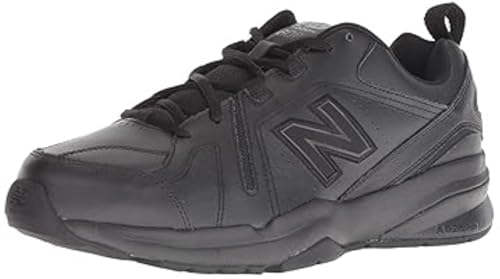
This shoe offers solid stability for those who need consistent support during daily movement. The design prioritizes comfort with cushioned soles, reducing impact on joints while maintaining grip on various surfaces.
The reinforced toe box helps prevent friction, which is crucial for amputees to avoid blisters. Its durable construction ensures longevity, making it practical for active lifestyles.
3. Amputee Toe Fillers

These inserts provide essential support for amputees by filling gaps in shoes where toes or partial foot sections are missing. Made from durable PU foam, they maintain stability and distribute pressure evenly, reducing discomfort and preventing blisters. The non-slip design ensures a secure fit, while the cushioning helps with circulation and joint protection. Ideal for men and women, they’re lightweight yet strong, making daily footwear more comfortable and functional.
4. Soft Prosthetic Breathable Socks

These socks help maintain proper circulation and skin health around prosthetic limbs by keeping stumps snug yet breathable. They prevent blisters and irritation, which can ruin shoe fit over time. The soft cotton material absorbs sweat, reducing friction that might cause discomfort or damage to prosthetic attachments. For amputees, this means shoes stay comfortable longer without constant adjustments.
5. Diabetic Walking Shoes

These shoes offer critical support for amputees needing extra width and easy slip-ons. The adjustable design accommodates prosthetic sockets and swollen feet, reducing friction. Neuropathy relief features cushioning that prevents blisters and irritation. The lightweight, walking-focused build makes daily mobility smoother than rigid options. Black color blends with most prosthetics, keeping them practical.
6. Medical Walking Shoe

For amputees dealing with foot injuries or post-surgery recovery, this shoe offers critical support without bulk. Its closed-toe design mimics natural footwear, preventing blisters and maintaining stability during mobility. Lightweight yet sturdy, it’s built for daily use while protecting delicate healing areas.
The brace-style construction ensures proper alignment for stress fractures or post-op care, reducing strain on residual limbs. Its adjustable fit adapts to varying foot shapes, making it practical for long-term wear. Unlike bulky casts, it allows free movement without sacrificing comfort.
7. Diabetic Slipper Shoe

This slipper is designed for those needing extra support and space, which is crucial for amputees dealing with residual limb discomfort. The wide width ensures a secure fit, preventing irritation and promoting stability during movement.
Made for diabetic comfort, it offers cushioning to reduce pressure points, helping prevent further complications. The slipper’s slip-on style makes dressing easier, especially for those with limited mobility.
8. Diabetic Walking Shoes

These shoes offer a secure fit for those needing extra support, which amputees often require. The wide toe box prevents pressure points, a common issue for those with prosthetic limbs. Adjustable straps help accommodate swelling or shifting weight distribution. The slip-on design makes them practical for daily use, reducing friction that can cause blisters.
9. Diabetic Support Shoes

For amputees, proper footwear is critical to prevent infections and discomfort. These shoes provide a secure fit with reinforced padding, easing pressure points common after limb loss. The extra-wide design accommodates uneven gaits, reducing strain on residual limbs and joints.
The dark blue model offers breathable material and arch support, ideal for those who walk long distances. The cushioning helps absorb shock, which is vital for maintaining mobility and reducing pain in prosthetic users.
10. Shoe Filler Insert

For amputees dealing with oversized footwear, this insert provides a simple solution. Memory foam reduces shoe size, offering a snug fit without extra bulk. It’s lightweight and moldable, conforming to natural foot shape for comfort over time.
Essential for high heels, boots, or casual shoes that feel too loose. Keeps pressure points stable, preventing irritation. Works well with prosthetic sockets, ensuring a secure, adjustable fit.
