
1970s shoes for men

As an Amazon associate, Comfy-Kicks.com earns from qualifying purchases at no cost to you.
The decade also saw the rise of chunky sneakers and platform shoes, influenced by disco culture and rock ‘n’ roll aesthetics. Brands like Converse and Vans became staples, offering comfort alongside a rebellious edge. High-top sneakers with thick soles were especially trendy, catering to athletes and fashion-forward men alike. Whether for work or play, 1970s footwear offered both comfort and a timeless appeal.
1970s shoes for men in 2026
1. Velvet Driving Loafers
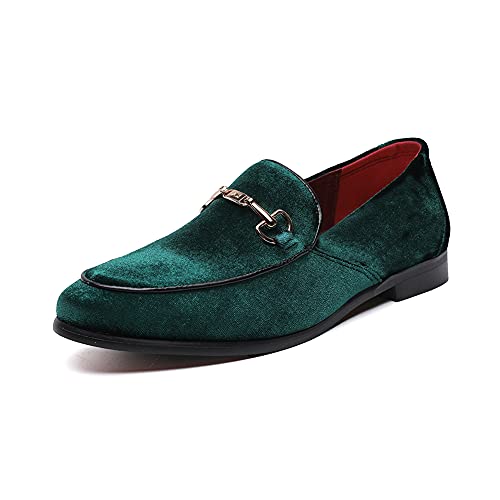
In the 1970s, men’s footwear often leaned toward bold patterns and heavy suede, favoring work boots or dress shoes over the sleek, slip-on loafers you’d find today. These loafers blend retro charm with modern comfort, offering a polished yet relaxed look that fits the era’s casual yet stylish vibe.
The slip-on design makes them practical for quick changes, while the green velvet adds a touch of vintage flair without the stiff, formal feel of classic dress shoes. Perfect for dancing or running errands, they stand out as a smart alternative to the heavier styles of the decade.
2. Men’s Platform Shoes

In the 1970s, men’s footwear often prioritized comfort over bold style, favoring simple leather boots or sneakers. The Ellie Shoes Men’s Platform, in black, stands out with its sleek, structured design that bridges classic and edgy looks. The platform height adds height without sacrificing stability, making it versatile for both casual and semi-formal settings.
Unlike floppy loafers or chunky boots, this shoe offers a refined silhouette that fits the decade’s minimalist yet dynamic aesthetic. The durable material ensures longevity, while the snug fit keeps feet secure—ideal for urban environments where style and function must balance.
3. Bright Royal Run Sneakers

The Adidas Men’s Run 70s 2.0 captures the bold, sporty aesthetic of the era with its vibrant colorway. Bright Royal and Better Scarlet bring retro energy, while White keeps it clean and timeless. These shoes blend classic 70s design with modern comfort, making them ideal for casual wear or light athletic use.
The 7-inch width fits most foot shapes well, offering stability. The mix of leather and synthetic materials mimics vintage durability. Perfect for collectors or those wanting a nostalgic yet practical upgrade.
4. Suede Chelsea Boots

In the 1970s, men’s footwear often balanced ruggedness with refined style, and these boots deliver that perfect blend. Suede offers durability while maintaining a sleek, polished look—ideal for both casual wear and smart-casual outfits. The ankle height provides structure without sacrificing comfort, a practical upgrade over flatter designs of the era.
The camel color fits the era’s earthy, understated aesthetic, avoiding the flashy patterns of the decade. Unlike heavy leather boots, this style keeps movement fluid, making them versatile for work or weekend adventures. They’re a nod to the era’s practical yet stylish approach to footwear.
5. Men’s Platform Slip-On Loafers

In the 1970s, men’s footwear often balanced rugged utility with polished sophistication, and these slip-ons deliver that same blend. The platform design adds subtle height without sacrificing comfort, a practical touch for both office settings and casual outings. Leather with bold prints mimics mid-century patterns while staying modern, blending retro flair with everyday wear.
The slip-on style eliminates laces, making them ideal for quick transitions—whether arriving late for a meeting or heading straight to a night out. Non-slip soles ensure stability, a rare feature in dress shoes of the era, while metal toe caps add a touch of industrial edge. Perfect for the era’s blend of work and play.
6. Glitter Tuxedo Loafers

In the 1970s, men’s formal footwear leaned toward sleek leather and polished chrome, favoring simplicity over extravagance. These shoes often paired loafers with subtle embellishments like brushed metal buckles or textured soles for a polished yet understated look. The era’s designs prioritized comfort and professionalism, avoiding flashy details.
The glitter dress shoes you describe push boundaries by blending opulence with modern luxury. While 1970s men’s shoes stayed grounded in classic elegance, these sequin loafers offer a bold, high-glamour alternative for events where boldness is expected. The slip-on design and gold buckle add a contemporary edge, making them stand out in any formal setting.
7. KnitFlex Mesh Oxford Sneakers

In the 1970s, men’s footwear often prioritized bulk and rigid construction, favoring stiff leather oxfords that weighed down daily wear. These shoes lacked breathability, making them uncomfortable for extended walking or warm climates. The modern design offers a breathable mesh upper that mimics the lightweight, flexible feel of 1970s casual sneakers while maintaining the structured look of oxfords.
The laced-up design provides a snug fit without sacrificing comfort, unlike the heavy, stiff soles of era shoes. This blend of style and practicality makes it ideal for casual outings, offering both durability and ease—something 1970s footwear rarely achieved.
8. Men’s Comfort Chelsea Boots
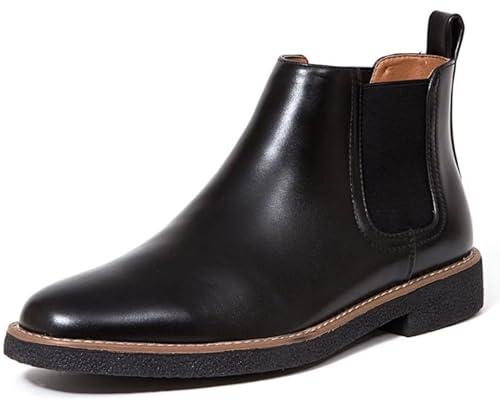
In the 1970s, men’s footwear often prioritized rugged durability over refined comfort, favoring stiff leather and rigid soles. These boots were designed for work or outdoor wear, prioritizing endurance over ease. The Rockland style stood apart by blending classic dress form with subtle flexibility, making it practical for both office and casual settings.
The wide fit and smooth Chelsea silhouette offered a modern touch, appealing to those who wanted a polished look without sacrificing comfort. Unlike heavier, cumbersome boots of the era, this design balanced style with practicality, appealing to men who valued both function and fashion.
9. Classic Dress Loafers

In the 1970s, men’s dress shoes often favored pointed toes and stiff leather for formal wear. These loafers stand out with their clean square toe, blending classic elegance with modern comfort. The slip-on design made them practical for office settings where quick transitions were key.
Unlike bulky oxfords or stiff brogues, these shoes offer a refined silhouette without sacrificing ease. The white color also fits well with tailored suits, keeping a timeless look that still suits contemporary business attire.
10. Dress Tuxedo Shoes

In the 1970s, men’s formal footwear often leaned toward bold, structured designs with leather or suede—often plain or textured. This shoe stands out with its sleek patent velvet finish, which mimics the glossy, high-end look of the era’s most sought-after evening wear. The lace-up construction offers both style and adjustability, a practical touch for formal occasions.
The dark red color evokes the rich, dramatic tones of 1970s fashion, blending with the era’s love for vibrant, statement pieces. Unlike the more subdued tones of earlier decades, this shoe captures the boldness of the time while maintaining timeless elegance. Perfect for black-tie events, it bridges classic sophistication with modern luxury.
